

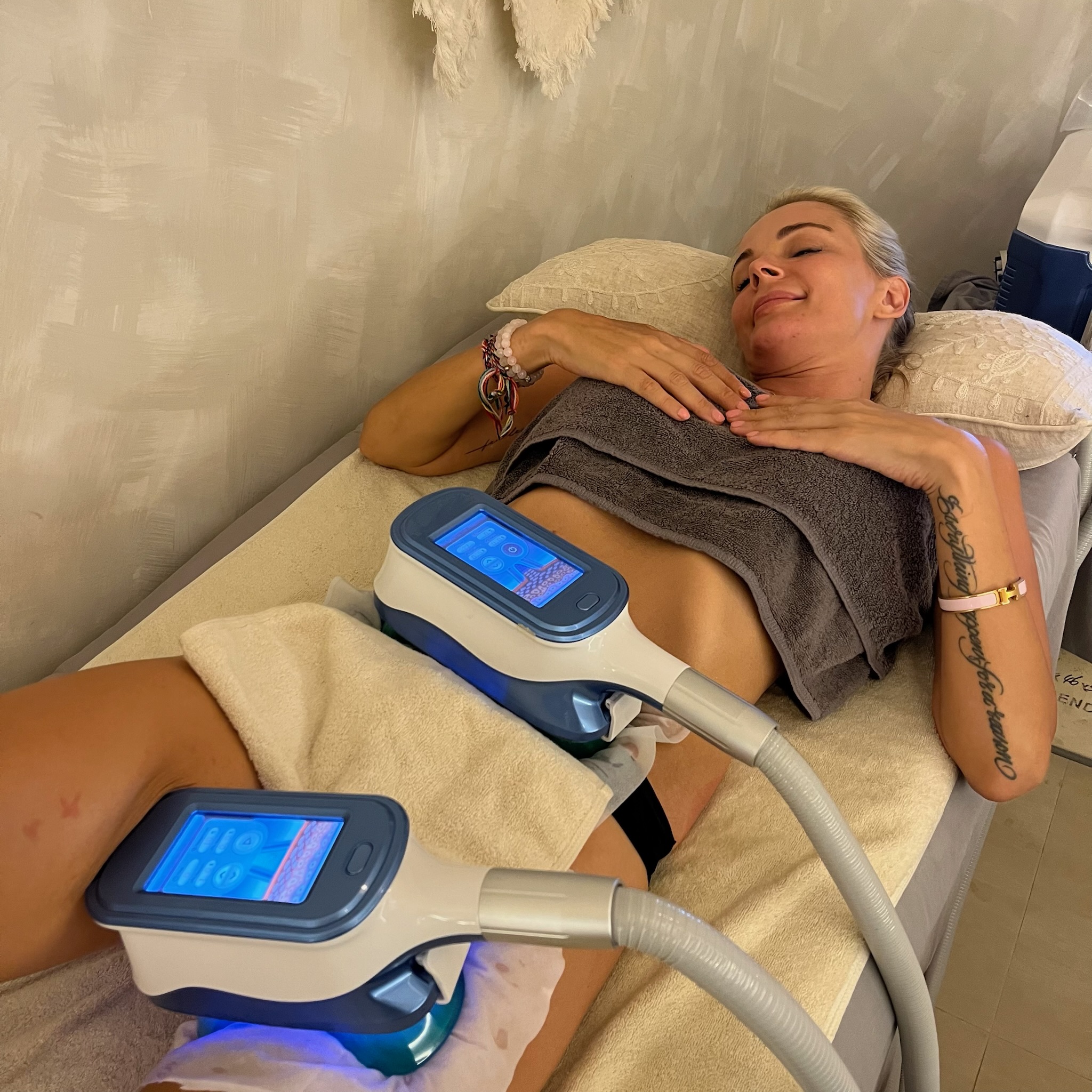
When you stand in a clinic in Sydney, London, or New York, the price tag for a single session of fat freezing often feels detached from the actual technology involved. A quick glance at a local cryolipolysis price bali context reveals a stark difference, but the variance isn’t due to the machine’s efficacy or a “weaker” protocol. It is, fundamentally, a matter of clinic overhead, commercial real estate, and the labour market. In high-cost urban centres, the business must amortise the equipment’s lease, specialized medical insurance, and city-centre rent across a tiny number of clients. In Bali, the math shifts, but the biology remains identical.
The Physics of Apoptosis
Cryolipolysis is not a method for weight loss; it is a highly specific tool for body contouring. The technology relies on a physiological phenomenon known as selective cryolysis. Adipocytes—fat cells—are significantly more sensitive to cold temperatures than the surrounding skin, nerve, or muscle tissues. When we subject a pinchable pocket of subcutaneous fat to controlled cooling, these cells undergo apoptosis, or programmed cell death. Once the cells are damaged, the body’s lymphatic and metabolic pathways gradually clear them away. This process is intentionally slow. According to the foundational research from the Wellman Center for Photomedicine, the loss of adipocytes is a gradual, delayed response that unfolds over roughly 3.5 months (PMID 18951424).
The literature reports that the expected magnitude of fat layer reduction is typically between 10% and 25% per session (Harvard Health Publishing). Because this is an inflammatory and metabolic clearance process, the results are not instantaneous. A peer-reviewed review found that while fat-layer thickness reduction is measurable at two months, those changes often continue to evolve up to six months post-treatment (PMC4079633). Expecting a “sculpted” result in a matter of days contradicts the biological timeline of how the body disposes of these cells.
Deciphering the Treatment Cost Comparison

When evaluating the fat freezing cost, the most common error is failing to distinguish between a “cycle” and an “area.” A single session involves placing a vacuum applicator on a specific pocket of tissue for 55 minutes. If a clinic quotes a price for a “treatment” without specifying the number of applicator placements, they may be obscuring the cost of achieving a symmetrical result. Treating both flanks, for instance, requires two cycles.
In the West, a provider might charge upwards of $600 to $900 per applicator placement. When you compare this to the IDR 1,620,000 price point for one area at Body Studio Bali, the gap is wide. However, that gap represents local economic realities rather than a compromise in the procedure itself. The system used must be a certified, 360-degree cooling vacuum applicator—ensuring that the cold is applied from all sides of the drawn-in tissue rather than just two plates. If the machine is certified and the protocol involves 55 minutes of consistent cooling, the physiological effect of the cold is, by definition, the same.
Where the Arithmetic Fails
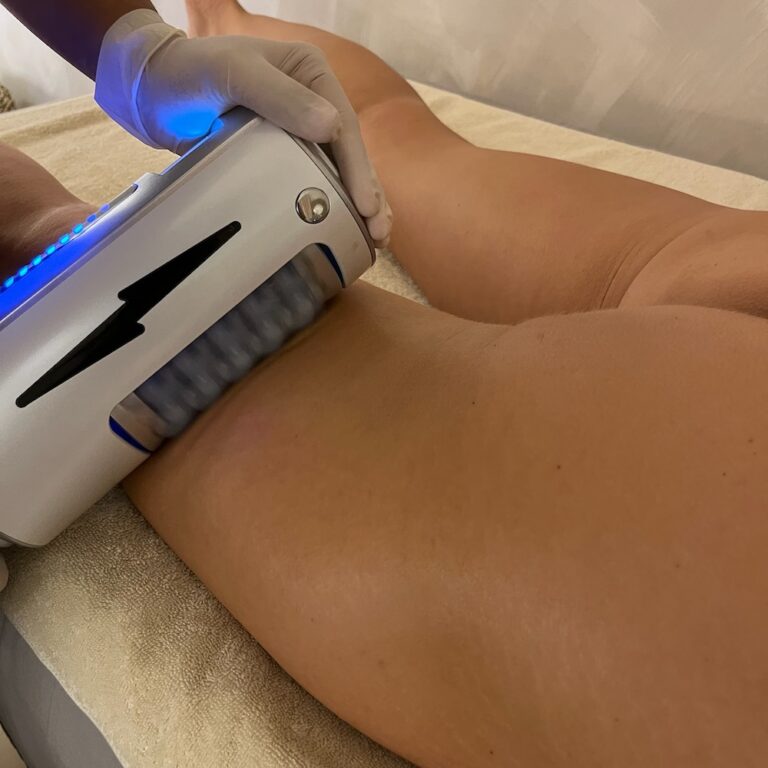
There are instances where any coolsculpting price, no matter how low, is poor value. This happens when the patient is not an ideal candidate. Research consistently notes that cryolipolysis cannot touch visceral fat—the fat stored around organs—and provides no systemic health benefits (Harvard Health). Furthermore, meta-analyses highlight that while circumference measurements decrease, overall body weight remains largely unchanged (World J Plast Surg). If you are looking for weight loss, the cheapest option is to skip the treatment entirely.
The consultation is the most vital step in protecting your budget. A practitioner must be willing to measure the fat density and confirm it is subcutaneous and pinchable. Without this physical assessment, you risk paying for a result that cannot happen. Additionally, one must be aware of rare but significant risks, such as paradoxical adipose hyperplasia (PAH), where the treated area may show an increase in fat volume weeks or months post-treatment. While incidence rates vary, research suggests the reality is higher than early marketing claims, with some estimates placing it near 2% in certain cohorts (StatPearls). Responsible clinics use the consultation to discuss these risks candidly rather than simply moving to the booking stage.
Ultimately, when deciding whether to undergo a contouring procedure while traveling, ignore the hype surrounding “instant” transformations. Focus on the 55-minute cycle times, the suitability of the tissue being treated, and the reality that this is a slow, methodical biological process. If a clinic offers a free consultation to measure the pinch before accepting your money, you are at least starting from an honest position.