

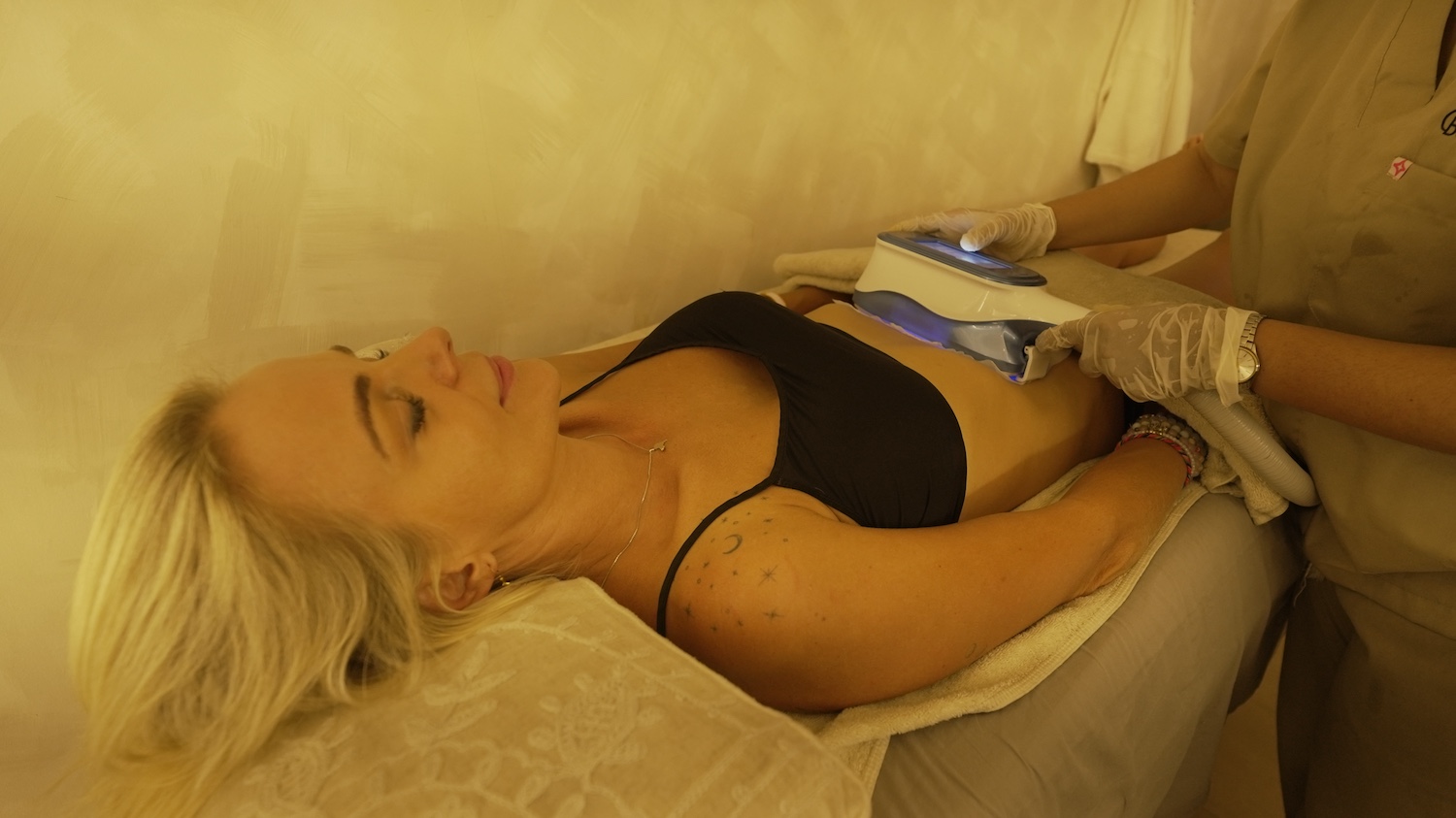
Living in Bali often means a lifestyle defined by movement—morning surf sessions, yoga on the mat, and daily commutes that keep us active. Yet, even with a dialed-in diet and a consistent training regimen, many women notice specific areas of the body that remain stubbornly unchanged. It is a common frustration, particularly when you are already living a healthy, active life. In the landscape of non-invasive body contouring, cryolipolysis often surfaces as a solution for these persistent zones, but understanding the biological reality behind it is essential before considering any procedure.
At its core, cryolipolysis is not a tool for weight loss; it is a mechanism for localized fat reduction. The technology works by exploiting the differing temperature sensitivity of adipocytes—fat cells—compared to surrounding tissues. The foundational research, notably the early porcine studies from the Wellman Center for Photomedicine, demonstrated that controlled surface cooling triggers a localized inflammatory response, which leads to the gradual apoptosis of fat cells. Crucially, this process does not affect systemic body weight, nor does it impact visceral fat—the internal fat stored around organs. Because visceral fat is not subcutaneous, it cannot be targeted by non-invasive external cooling, a distinction Harvard Health Publishing emphasizes to clarify that this is a contouring treatment, not a health intervention for metabolic issues.
The Physiology of Contouring and Realistic Expectations
When you undergo cryolipolysis, the change is not immediate. The process relies on the body’s natural inflammatory and immune response to clear the damaged adipocytes. Following the treatment, these cells are engulfed and processed by macrophages over several weeks. A 2014 review published in Clinical, Cosmetic and Investigational Dermatology highlighted that while some fat reduction can be observed at two months, more significant results often develop by the six-month mark. Because this is a biological process of elimination rather than an extraction, patience is required. A meta-analysis published in the World Journal of Plastic Surgery further supports the efficacy of fat thickness reduction, though it cautions that the quality of evidence is limited by the observational nature of many existing studies. For those considering this for specific stubborn fat pockets, it is important to note that the reduction per treatment area is typically in the range of 10% to 25%, depending on the individual.

The marketing around fat freezing sometimes implies that an immediate post-treatment massage or lymphatic drainage can accelerate the “flushing” of fat. However, the scientific consensus suggests otherwise. Studies, such as those published in Lasers in Surgery and Medicine, indicate that fat removed via this method does not cause a sudden spike in serum lipids or overload the liver; the processing is a slow, local event. Therefore, while lymphatic stimulation may feel beneficial for comfort, it does not fundamentally alter the timeline of the fat cell apoptosis itself.
Safety remains a priority, and any discussion of non-invasive fat reduction must address paradoxical adipose hyperplasia (PAH). While rare, this condition involves the enlargement of the treated fat area rather than its reduction. Recent data from the Aesthetic Surgery Journal suggests that the incidence of PAH may be higher than early estimates, though it remains an infrequent occurrence. The National Library of Medicine’s StatPearls database notes that when PAH does occur, it usually requires surgical intervention for correction, underscoring why selecting a reputable, transparent facility for your treatment is non-negotiable.

If you are looking to refine your silhouette, Body Studio Bali offers a structured approach to this procedure. The treatment is designed for a 45–60 minute session per zone, such as the lower or upper belly, flanks, thighs, or arms. Their process is built on four distinct stages: freezing the tissue, sculpting the silhouette, ensuring comfort through a non-invasive protocol with no downtime, and targeting specific zones of concern. Because results develop progressively, a series of sessions is typically recommended to support the desired contouring goals, and their team suggests an initial consultation to assess if the treatment aligns with your specific anatomy and expectations.
Effective body contouring in Bali is about working with the body’s natural rhythm rather than forcing an overnight change. By understanding that cryolipolysis is an exercise in gradual biological processing, you can better appreciate the results that appear in the mirror months down the line. It serves as a support tool for the already fit and active individual—a subtle nudge toward a more refined shape rather than a replacement for the lifestyle habits that define your overall health.