

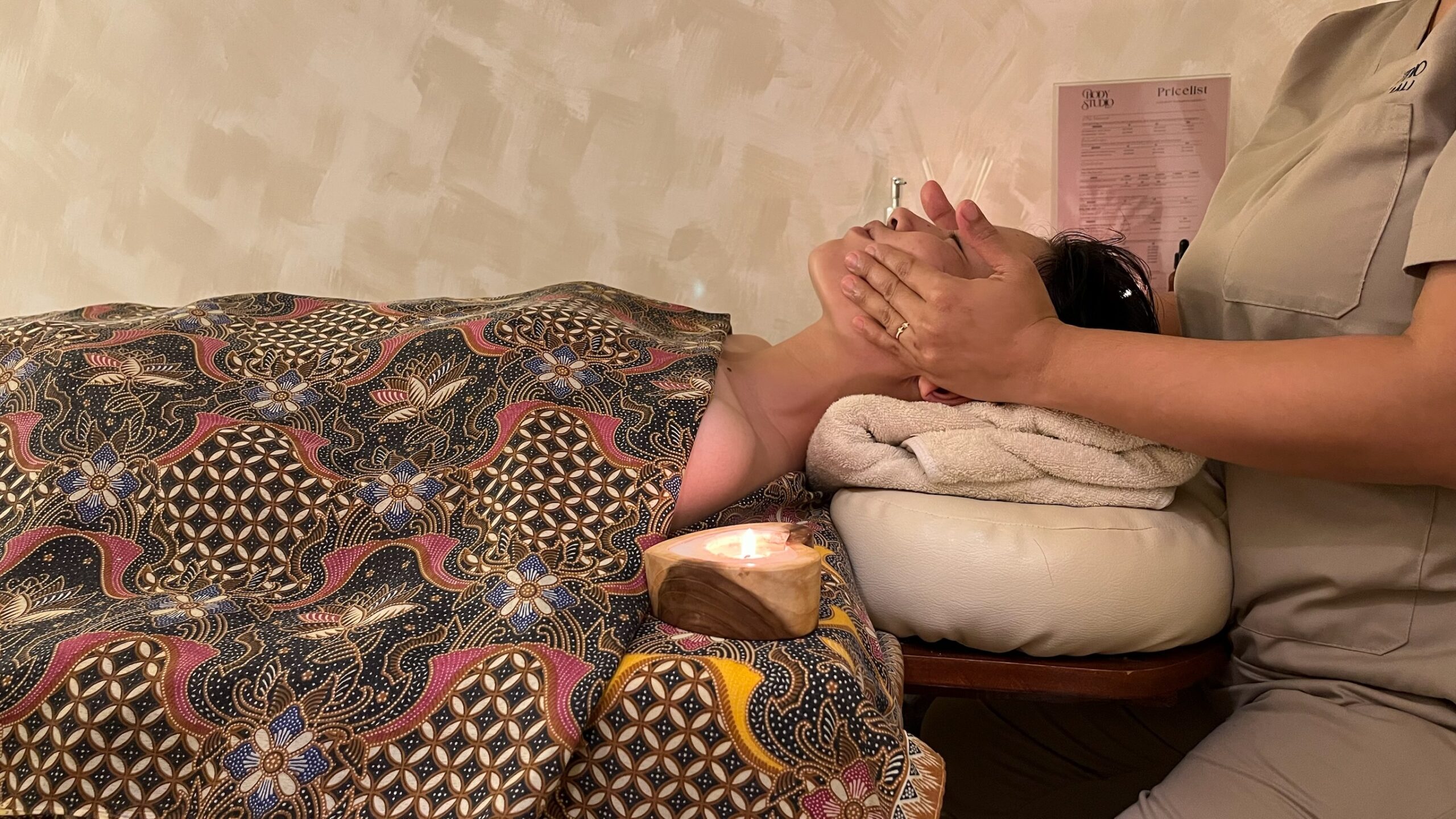
The humidity and persistent heat of the Indonesian archipelago do more than just test our patience for styling; they fundamentally alter how our skin manages fluid retention. Living in or visiting Bali often involves a unique intersection of environmental stressors: constant exposure to UV radiation, salt air, and a perpetual state of mild dehydration that can leave the complexion feeling heavy and congested. When we discuss facial lymphatic drainage, we aren’t just talking about a luxury ritual; we are looking at a mechanical approach to managing the fluid stasis that accumulates in the face under tropical conditions.
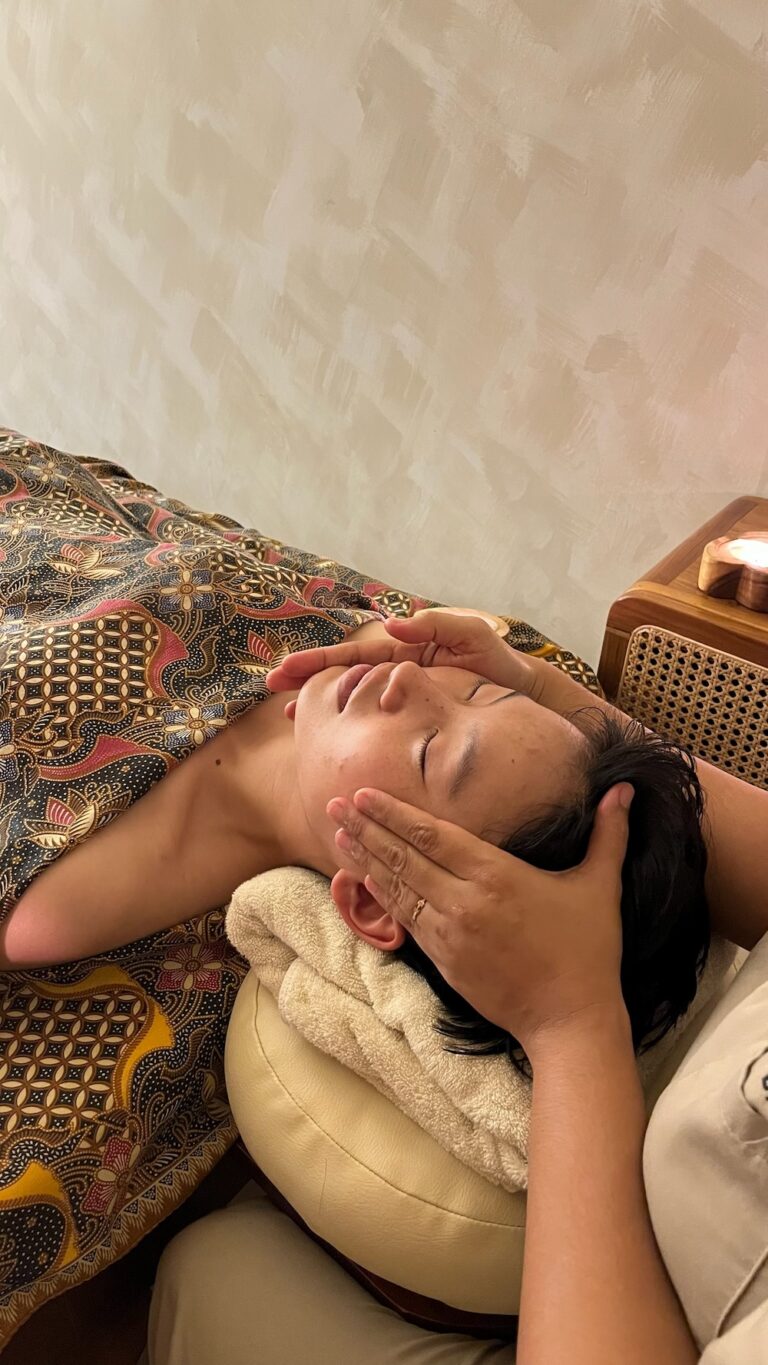
The lymphatic system lacks its own pump, relying instead on muscle contraction and physical movement to move lymph fluid toward the nodes for filtration. In a humid climate, when we are prone to inflammation and minor edema, the fluid can linger in the tissues of the cheeks and jawline, contributing to what is commonly perceived as facial puffiness. A manual face massage bali treatment addresses this by applying light, intentional pressure that mimics the natural flow of the lymphatic system. By using guided strokes that follow the anatomy of the face, the therapist encourages this trapped fluid to drain toward the neck, where the body’s primary drainage pathways reside.
The limits of touch versus the science of structural change
It is important to be clear about the physiological boundaries of manual work. While a hands-on massage is highly effective at modulating immediate muscle tension—particularly in the masseter muscles of the jaw and the temples, where stress from daily life and screen time tends to settle—it is not a substitute for cellular remodeling. The literature on tissue tightening distinguishes clearly between superficial circulatory benefits and deep dermal changes. For instance, while manual techniques can improve blood flow and provide a temporary, surface-level “glow” through vasodilation, they cannot replicate the effects of medical-grade aesthetic technologies.
When we look at the structural integrity of the skin, we are dealing with the Superficial Musculoaponeurotic System, or SMAS, a fibromuscular layer that defines the tension and lift of the face. Clinical research into technologies like micro-focused ultrasound shows that significant, long-lasting skin tightening requires thermal coagulation sites that reach precisely into the reticular dermis or the SMAS fascia. These technologies work by causing the denaturation of existing collagen and triggering the body’s neocollagenesis process, which is a measurable, biological repair mechanism. A manual massage, no matter how skilled, simply does not possess the capacity to generate the thermal energy required to remodel collagen at these depths. Recognizing this distinction allows you to choose the right tool for the specific result you want, rather than expecting a single treatment to solve every concern.
At Body Studio Bali, the approach to a manual session is built on a specific, 45-minute protocol designed to be honest about what it can achieve. The session focuses on the jaw, cheeks, and temples, utilizing kneading for tension release and light, lymphatic-style strokes to address fluid stagnation. The pressure is deliberately calibrated; because the lymphatic vessels are located just beneath the surface of the skin, excessive force can actually collapse these delicate structures, hindering the very drainage you are trying to stimulate. The current rate for this session is IDR 149,999, providing a straightforward, tactile method to refresh the complexion and manage the daily fatigue that tropical living imposes on our facial muscles.
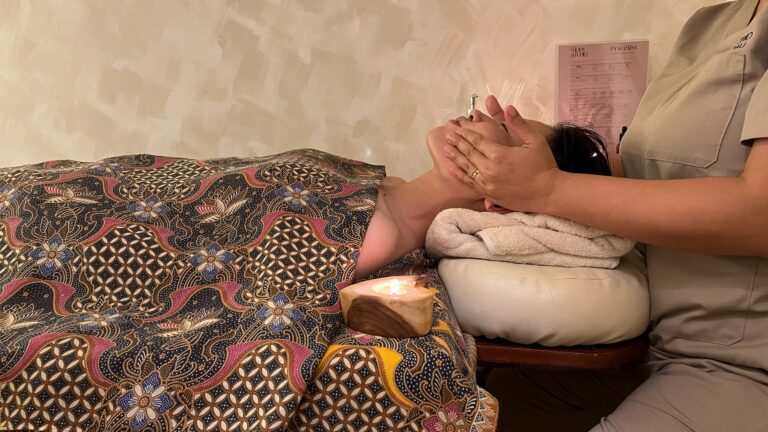
Beyond the immediate relief of muscle tension, the primary value of a manual session lies in its ability to support the skin’s natural rhythm without the need for recovery time or specialized thermal intervention. While the efficacy data for non-invasive lifting technologies indicates that visible improvements in laxity often require a 90-day trajectory, manual facial lymphatic drainage provides an immediate, low-risk benefit that works in harmony with your skin’s immediate needs. It is a form of tropical skin relief that respects the delicate nature of the facial anatomy while acknowledging that the most effective wellness routines often rely on a combination of different modalities. By integrating regular, gentle drainage with a deeper understanding of how our skin responds to heat, you can maintain a clearer, more comfortable complexion despite the intensity of the climate.
If you have a history of specific health conditions, such as kidney disorders, congestive heart failure, or a history of blood clots or stroke, it is essential to disclose this before beginning any lymphatic treatment, as moving fluids can impact these physiological systems. Choosing a practitioner who understands the limitations of their technique ensures that you receive a session that is safe, effective, and free from the overblown promises that often cloud the world of aesthetics. True wellness in the tropics starts with an honest assessment of what your skin requires at this moment—whether that is the structural support of advanced technology or the careful, rhythmic relief of human touch.