

The daily rhythm of life in Bali tends to manifest physically in very specific ways. For those of us navigating the island by scooter, the combination of unpredictable road surfaces and the persistent, low-level tension required to stabilize the body results in a unique pattern of lower back fatigue. Meanwhile, the surf community knows the toll of paddling—a repetitive motion that eventually solidifies into chronic shoulder tightness and stiffness in the thoracic spine. While a light, fragrant spa ritual might offer a momentary psychological reprieve, it rarely addresses the structural reality of hypertonic muscle fibers that have been overworked by our tropical lifestyle.
The Physiology of Structural Tension
When muscle fibers are held in a state of chronic contraction—whether from the vibration of a bike engine or the high-intensity exertion of a morning session in the water—the local metabolic environment changes. Reduced circulation to these areas can lead to a build-up of metabolic byproducts, and the connective tissue, or fascia, can become less pliable. A deep tissue massage Bali approach is not intended to be a sedative experience. It is a clinical intervention designed to mechanically alter the physical state of the tissue. By applying sustained, focused pressure, a therapist can work to address the “knots” or trigger points that develop when muscle fascicles become adhered to one another.
It is important to manage expectations regarding the sensation of this work. Because we are targeting deep-seated tension rather than superficial skin or lymphatic flow, the pressure is inherently more intense. Some discomfort is a standard physiological response to this type of manipulation, often referred to as “the good pain.” This is distinct from the gentler manual techniques used for lymphoedema or general relaxation, which prioritize light, rhythmic strokes over structural depth. If your goal is to release stubborn, localized stiffness, you should anticipate a session that prioritizes technical precision over sensory comfort.
Mechanical Deformation and Tissue Recovery
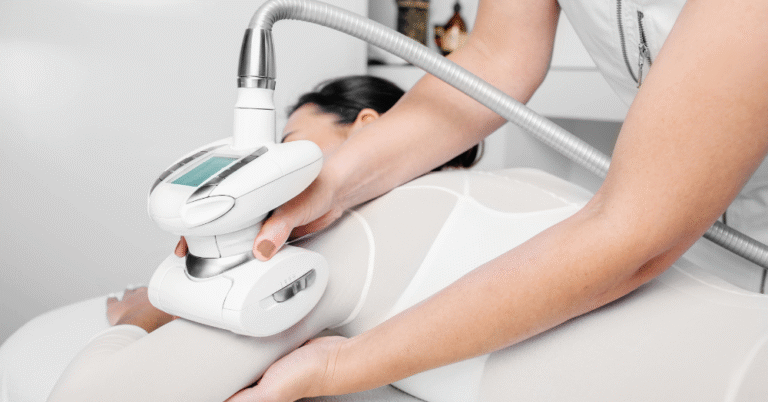
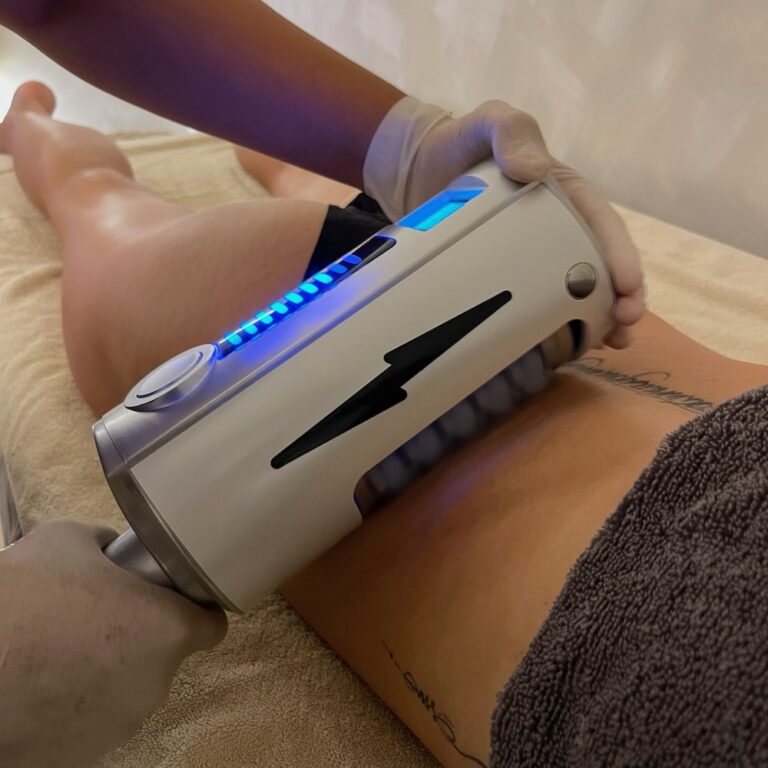
Beyond manual work, understanding how our bodies respond to mechanical stimulus is key to effective muscle recovery for surfers and long-distance riders. We know from the mechanobiology of lymphatic vessels that external pressure and shear stress can trigger physiological responses in the body, such as the regulation of lymph flow through calcium-mediated contractions. While many treatments, such as those derived from the original physiotherapy principles established by Louis-Paul Guitay, use mechanical devices to address these issues, there is an irreplaceable advantage to the human hand for tension relief massage. A therapist can calibrate their pressure in real-time, adjusting to the specific feedback of your fascia as it releases.
Clinical observation suggests that effective recovery relies on a combination of these manual structural resets and active recovery. Over-reliance on any single modality is rarely the answer. Instead, viewing massage as a form of maintenance—similar to servicing a motorcycle or maintaining your surfboard—allows you to integrate these sessions into a sustainable health strategy. Just as a single session cannot undo months of accumulated neglect, it also cannot be expected to “cure” chronic orthopedic issues without accompanying hydration, movement, and rest.
Targeted Recovery at Body Studio Bali
When the tightness becomes significant enough to hinder your mobility or distract you from your day, a focused clinical approach is required. At Body Studio Bali, the Deep Tissue Massage is structured specifically for this purpose. Unlike the studio’s aromatherapy or relaxation-focused rituals, this treatment is stripped back to its essentials: slow, deep, and deliberate pressure aimed at the neck, shoulders, and lower back. The session is available in either a 60-minute duration for a concentrated reset, or a 90-minute duration for a more comprehensive full-body release, priced at 315K.
The sequence is designed to maximize the efficacy of the pressure applied, focusing on areas where the Bali lifestyle—scooters and surf—creates the most acute mechanical stress. Post-treatment care is as vital as the session itself; you should prioritize hydration to support metabolic clearance and allow for light, gentle stretching to help the muscle fibers stabilize in their new, less-tense state. By selecting a treatment modality that matches the severity of your physical fatigue, you ensure that the time spent on the table translates into tangible, functional improvements in your daily mobility.