

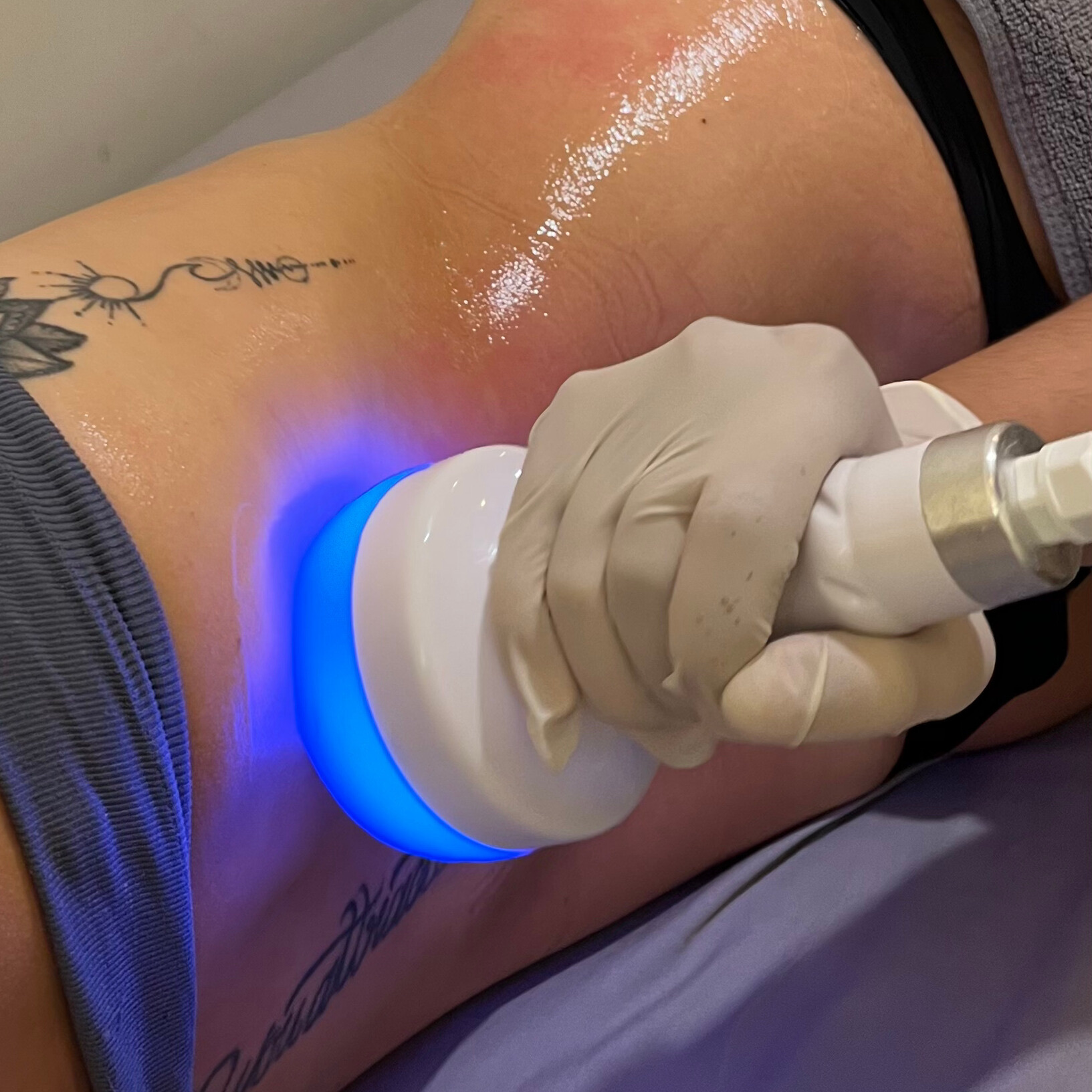
The quest for a snatched waist in Bali often feels like a collision between tropical lifestyle aesthetics and the realities of human anatomy. We live in a climate that demands lighter clothing, making the midsection a frequent focal point of concern. However, the internet is saturated with misinformation regarding waist measurement and the mechanisms that actually influence it. To understand what can be changed, we must first accept that your waist circumference is determined by a complex interplay of subcutaneous fat, visceral fat, the integrity of the oblique and transverse abdominis muscles, and acute factors like bloating or posture.
The limits of mechanical intervention
Most popular trends, such as waist training, rely on the premise that a corset or compressive garment can reshape the torso. Physiologically, this is misleading. While these devices can shift the fluid distribution and compress the soft tissue, providing a temporary change to your waist measurement for a few hours, they do nothing to alter the underlying anatomy. They do not burn fat, nor do they permanently rearrange the skeletal structure or the deep abdominal wall. Once the garment is removed, the body returns to its natural state. Real progress in midsection contouring requires addressing the tissue itself rather than merely applying external pressure.
When we look at non-invasive technology, it is essential to distinguish between fat loss and weight loss. Leading medical bodies, including the American Society of Plastic Surgeons, emphasize that these treatments are not weight-loss solutions. They are designed for individuals who are already near their target body weight but have localized “pinchable” pockets of subcutaneous fat that are resistant to diet and exercise. Treatments like cryolipolysis, for instance, operate on the principle of cold-induced cell death, typically resulting in a 10-25% fat reduction in the treated area. Crucially, these modalities do not touch visceral fat—the fat surrounding internal organs—meaning they offer aesthetic contouring rather than systemic health benefits.
The mechanism of 80kHz cavitation
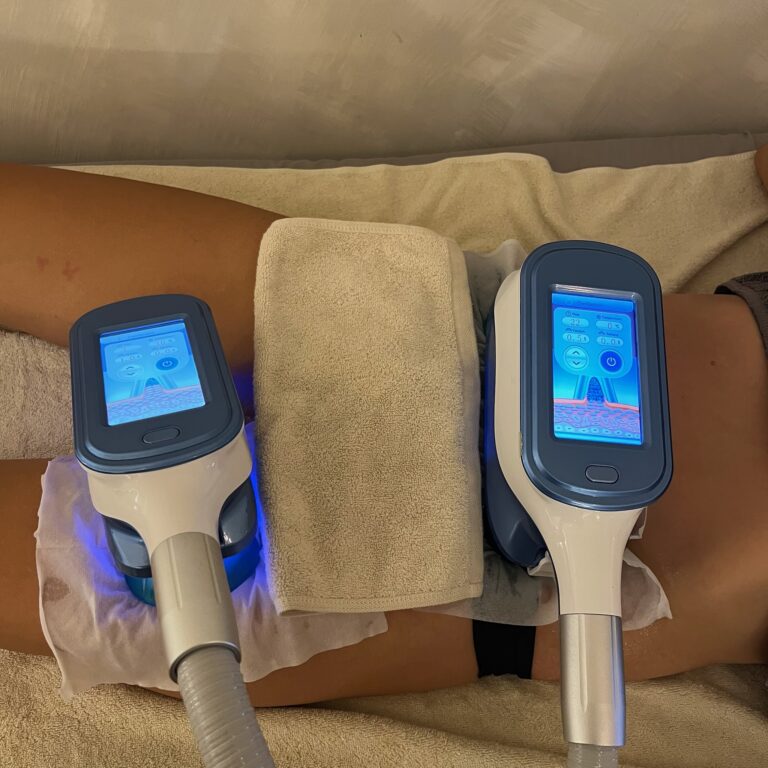
For those seeking to address subcutaneous fat directly, ultrasonic cavitation has emerged as a scientifically supported method. At Body Studio Bali, we utilize an 80kHz frequency to target this tissue. Unlike higher-frequency waves that might barely penetrate the skin, 80,000 Hz ultrasound waves create microbubbles within the interstitial fluid surrounding fat cells. These bubbles expand and contract until the cell membrane undergoes a rupture. Research suggests that this process facilitates the release of triglyceride droplets into the lymphatic system, where they are then metabolized. Importantly, studies have shown that this released lipid content does not simply relocate to the liver, but is safely processed by the body, with free fatty acid levels rising significantly in the bloodstream shortly after treatment.
The efficiency of this process is highly dependent on technique. A single session at our studio typically yields a reduction of 3–5 cm in the treated area, as the breakdown of the fat structure is immediate. However, this is only half the battle. Because the cavitation process leaves cellular debris and released lipids in the interstitial space, the result is significantly amplified by immediate lymphatic drainage. We structure our sessions to include follow-up treatments like EndosTherapy or LPG Endermolift to ensure the body can effectively carry away the mobilized waste. Without this drainage step, the body’s natural clearance rate is significantly slower, and the visible reduction in measurement is less pronounced.
Managing expectations and safety
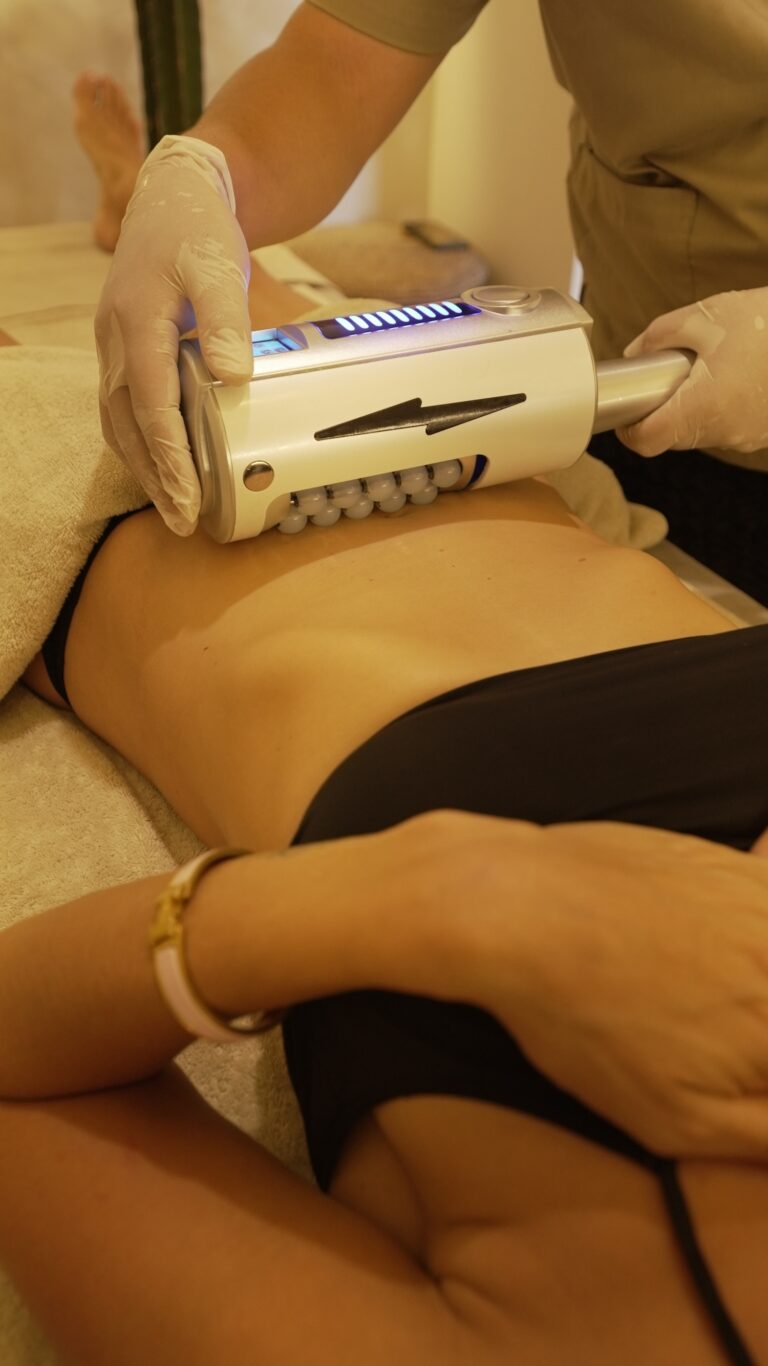
Any effective approach to the midsection must account for the body’s natural limitations. If you are considering these treatments, it is vital to disclose any underlying health conditions. For example, individuals with multiple sclerosis should be cautious with any heat-producing aesthetic modalities, as they may trigger the Uhthoff phenomenon—a temporary worsening of neurological symptoms caused by an increase in core body temperature. Furthermore, cavitation is strictly contraindicated for those with liver or kidney concerns, as these organs are responsible for processing the metabolic byproducts released during the treatment.
At Body Studio Bali, we offer a single session of 80kHz cavitation for IDR 699,000, with packages for 5 sessions at IDR 2,449,000 or 10 sessions at IDR 4,100,000. These are not magic fixes; they are clinical tools. While the fat cells destroyed during these sessions do not return, a healthy lifestyle remains the prerequisite for maintaining the results. The “snatched” look is ultimately a combination of reducing specific fat pockets, maintaining muscle tone through consistent exercise, and managing the hydration levels that dictate day-to-day bloating. By understanding that your waist measurement is a reflection of multiple physiological layers, you can choose the interventions that actually align with your biology rather than chasing transient trends.