

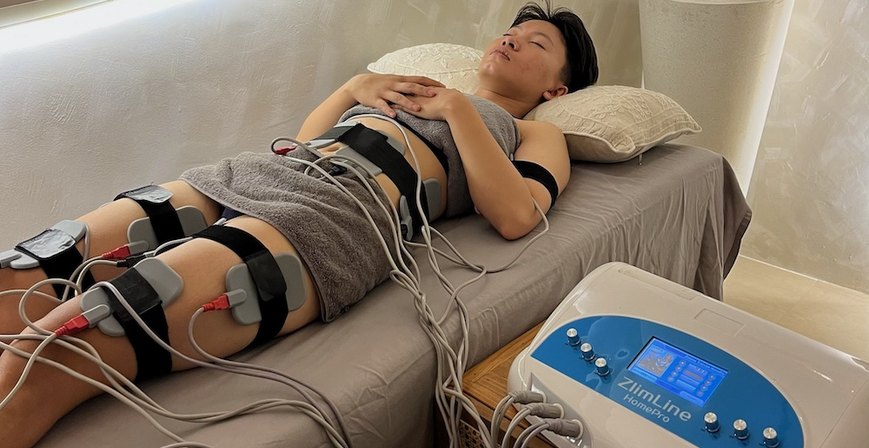
The aesthetic landscape in Bali is undergoing a quiet but significant shift. For years, the island’s expat community navigated a standard menu of injectable fillers and neurotoxins to address facial volume loss and sagging. Recently, however, there is a visible move toward a more physiological approach: prioritizing the structural integrity of the facial muscles rather than masking gravity with synthetic volume. This trend leans into the science of bio-electric stimulation, focusing on the underlying architecture of the face to achieve a lift that feels and looks, quite literally, more grounded.
The Physiology of Muscle Stimulation
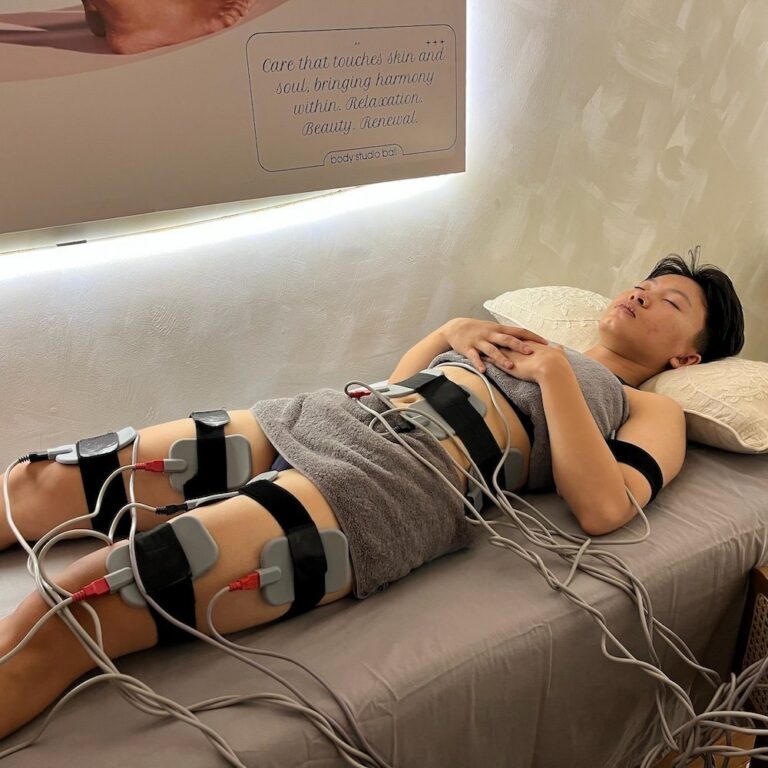
When we talk about non-invasive face lifting, the conversation often centers on the dermis, but the real scaffolding of the face resides in the musculature. Just as physical exercise increases muscle fiber density and tone, controlled electrostimulation—often referred to as Transion technology—utilizes low-frequency bio-electric currents to trigger deep, involuntary muscle contractions. Unlike the passive relaxation of a massage, this process forces the muscle to work against internal resistance. By inducing repeated, rhythmic contractions in targeted areas, the technology encourages a higher level of muscle tone. The physiological objective here is functional: firmer muscles provide a more stable foundation for the skin and superficial tissue, which can translate to a tighter, more defined jawline and lifted cheek profile.
It is crucial to distinguish this from the mechanism of ultrasound-based treatments. For instance, micro-focused ultrasound acts by creating thermal coagulation sites at deep tissue levels, including the SMAS layer, which prompts the body’s healing response to generate new collagen and tighten existing fibers. While ultrasound relies on heat-induced remodeling, muscle-stimulating technology focuses on the mechanical state of the musculature itself. Both methods are fundamentally different from filling a volume deficit; they work with the existing anatomy rather than adding external material.
Managing Expectations in the Age of Non-Invasive Aesthetics
There is a necessary honesty required when discussing facial contouring trends among expats in Bali. While muscle-stimulating treatments like the Transion treatment Bali offers can provide a noticeable lift through increased tone, they operate within strict physiological boundaries. This technology is not a substitute for the volume loss that accompanies significant weight loss or advanced aging, where fat pads have migrated or dissipated entirely. In such cases, the muscle tone is present, but the “padding” is gone. A common pitfall in aesthetic medicine is the confusion between fat reduction and weight loss. Professional bodies, including the American Society of Plastic Surgeons, emphasize that non-surgical contouring tools are designed for patients already near their target body weight. They are not weight-loss mechanisms, and as noted in Harvard Health Publishing, treatments that target adipose tissue—like Kryolipolyse—rarely address the underlying visceral fat that impacts overall systemic health.
Furthermore, if you are looking to address skin texture or localized deposits, the American Academy of Dermatology clarifies that results from non-invasive procedures are often subtle. They are best viewed as a refinement of your existing structure rather than a dramatic, surgical-grade transformation. For those with reasonable expectations, however, the benefits of microcurrent facial benefits become apparent over a consistent series of sessions, as the muscles adapt to the stimulus and the skin appears less lax due to the firmer support underneath.
Integrating Technology into a Consistent Routine
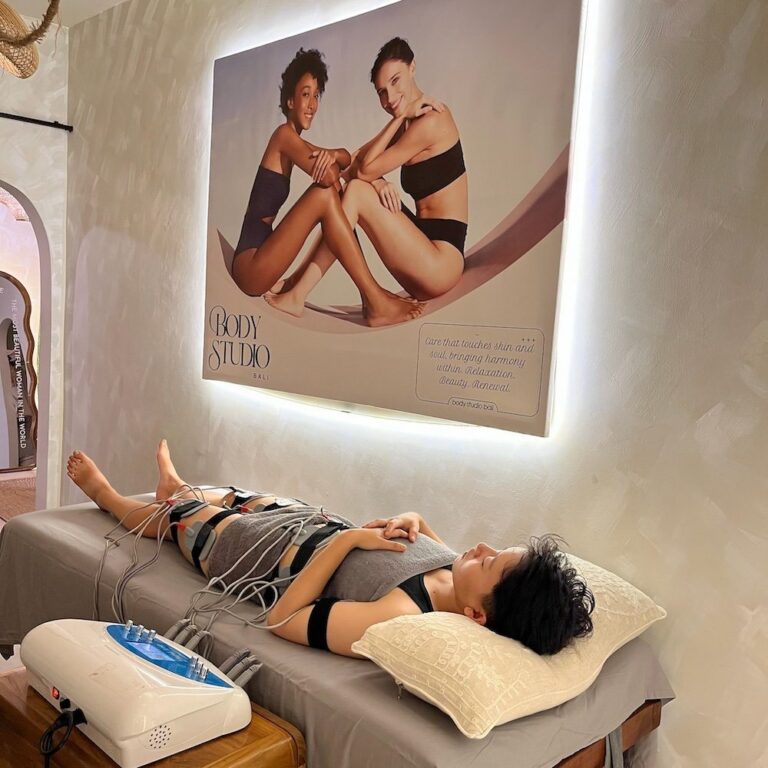
Consistency is the primary factor in whether these treatments yield visible results. A single session of muscle stimulation may provide a temporary “freshened” look due to increased blood flow and lymphatic drainage, but lasting changes require a cumulative protocol. At Body Studio Bali, the Transion treatment is priced at 299,000 IDR per session, emphasizing that this is a practice to be built into one’s long-term wellness strategy rather than a one-off quick fix. The studio provides a structured environment where these sessions can be coupled with other restorative treatments, such as their 699,000 IDR LPG Endermolift or the 549,000 IDR RF-lifting for the face, to create a multi-dimensional approach to skin health.
The beauty of this trend in Bali is the return to a “less is more” philosophy. By focusing on the health of the muscle and the integrity of the lymphatic system, residents are finding that the cumulative effect of regular, non-invasive maintenance is a face that looks rested and firm without the distorted contours that can sometimes result from over-filling. Whether you are using lymphatic stimulation to address impaired microcirculation—as seen with LPG mechanical massage—or electrical stimulation to tone the musculature, the most effective path is one that respects the biology of the skin and its underlying architecture. In a climate like Bali’s, where humidity and sun exposure already place high demands on the skin barrier, focusing on the structural foundation via muscle toning provides a sustainable, effective alternative to the cycle of recurring injectable appointments.