

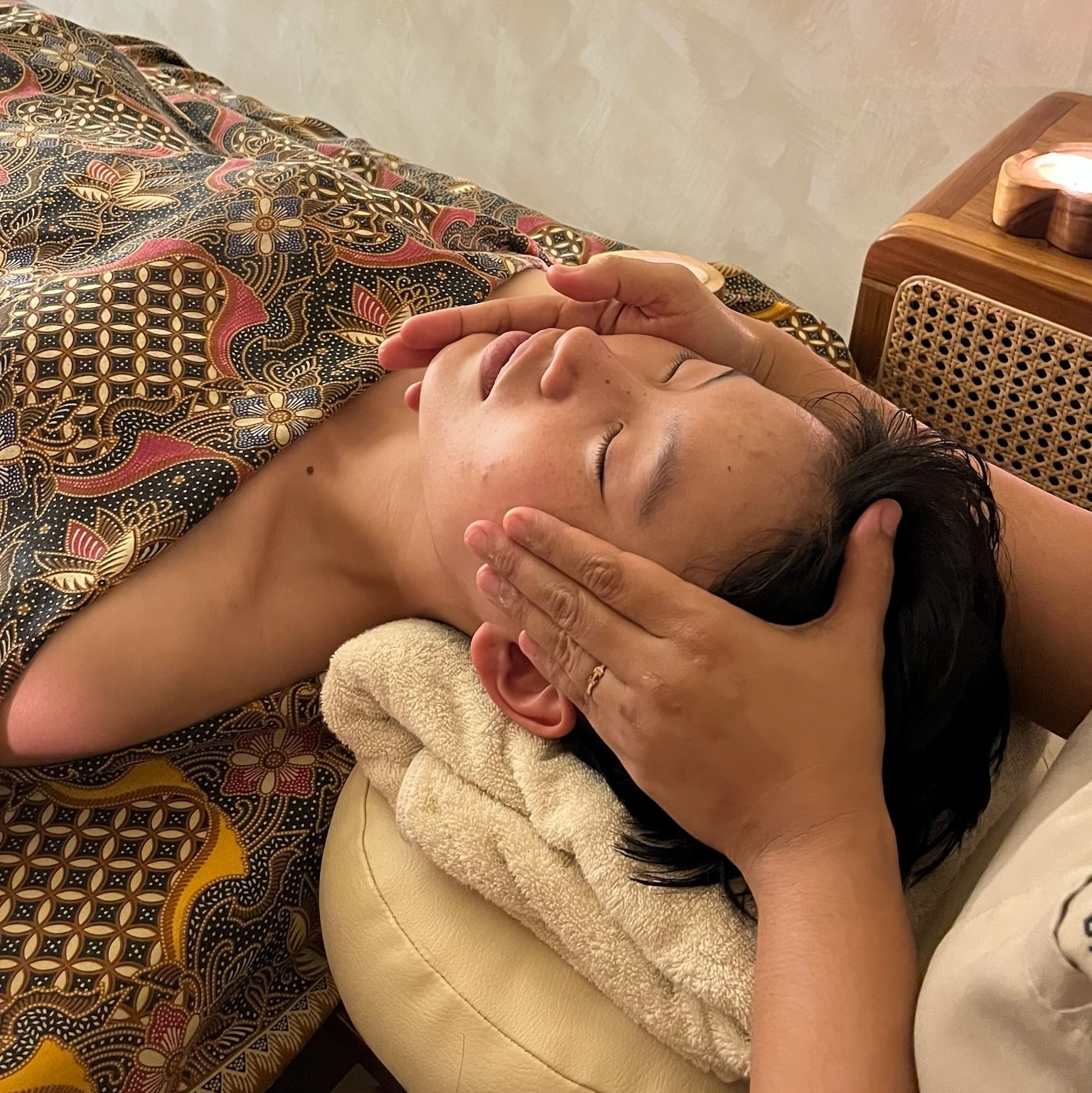
When you step off the plane in Bali, the first thing that hits you is the humidity, followed quickly by the relentless UV index. Living in this climate, your skin barrier becomes your most taxed organ. It is constantly bombarded by salt, sun, and moisture, which shifts how your skin holds onto water and responds to external stress. It is a common misconception that a facial can reshape your face, yet the disappointment that often follows a treatment usually stems from a misunderstanding of what is actually being manipulated. A facial can change your skin barrier, not your bone structure.
The anatomy of a treatment
To understand what a facial treatment Bali provides, we must look at the architecture of the skin. Most non-invasive facials focus their efforts on the stratum corneum—the outermost layer of the epidermis—and the lipid barrier that sits between your skin cells to lock in hydration. When a therapist uses techniques like mechanical stimulation or targeted massage, they are essentially influencing circulation and lymphatic flow in the subcutaneous tissue. This is where the visible, immediate changes occur: improved texture, reduced puffiness, and a temporary increase in dermal blood flow that leads to a natural glow.
However, your facial structure—your cheekbones, your mandibular angle, and the underlying skeletal framework—remains entirely untouched by topical or superficial massage. If you arrive at an appointment expecting to change your bone structure or mimic the results of invasive surgery, you are looking for a physiological impossibility. Genuine structural change in the face requires addressing the Superficial Musculoaponeurotic System (SMAS), the fibromuscular layer that surgeons manipulate during a rhytidectomy. Superficial treatments, no matter how sophisticated, simply do not reach these depths.
The limits of non-invasive technology
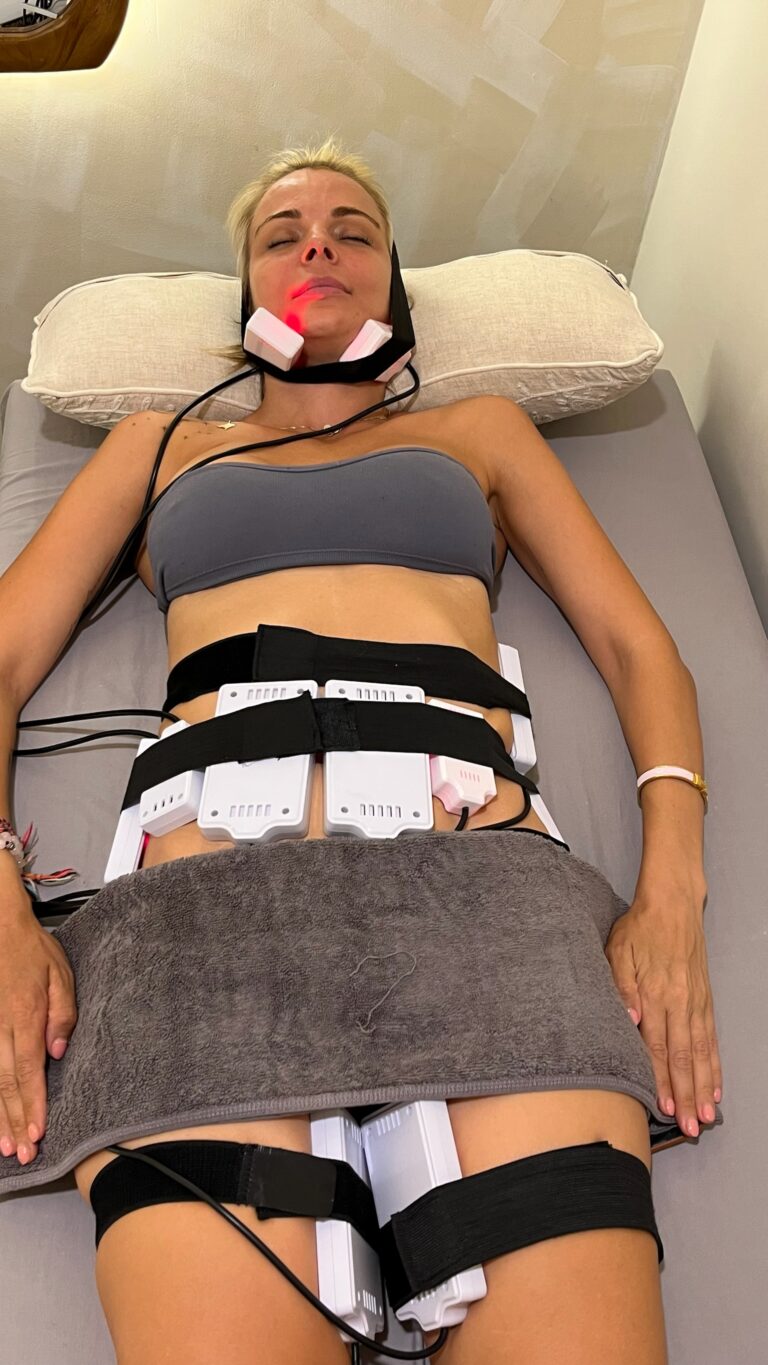
When we discuss what a facial does, we have to distinguish between barrier support and structural intervention. Barrier support is foundational; it addresses the congestion and dehydration caused by the Balinese climate. Techniques that prioritize lymphatic drainage, such as LPG Endermolift Gesicht (60 minutes) or EndosTherapy Gesicht (60 minutes), excel at moving stagnant fluid. By encouraging venous and lymphatic return, these treatments reduce fluid retention, which can make the jawline appear more defined simply by removing the “padding” of excess interstitial fluid.
For those seeking firmer skin, technologies like radiofrequency (RF) heating—used in treatments like RF-Lifting Gesicht (30 minutes) or Vakuum-RF-Gesicht (60 minutes)—work by delivering controlled thermal energy to the dermis. This heat is intended to stimulate the production of new collagen and tighten existing fibers. While the literature reports that controlled thermal coagulation can trigger neocollagenesis, it is crucial to temper expectations. These results build over a course of regular sessions rather than appearing overnight. One session acts as a refresh; a full course of four to ten sessions is where the measurable shift in tissue density and tone is found.
Managing expectations through physiology
The most targeted treatment available for the lower face is Kryolipolyse Kinnlinie (45 minutes). Unlike massage-based treatments, this utilizes controlled cooling to influence the stubborn adipose tissue often found around the jaw and neck. While it can support a sharper silhouette, even this has biological limits. Clinical management recommendations emphasize that these procedures are best suited for mild-to-moderate laxity. If the underlying cause of a heavy neck or face is severe laxity or significant volume, non-invasive cooling is not a replacement for surgical intervention.
Furthermore, it is worth noting that while some high-intensity technologies—like micro-focused ultrasound—are designed to reach the SMAS layer for lifting, they are accompanied by a specific risk profile. The consensus on clinical management of such advanced treatments highlights potential side effects ranging from transient erythema and edema to rarer instances of sensory disturbance. Understanding these risks is as important as understanding the potential benefits. When you pursue measurable improvements in skin laxity, you are engaging in a biological process of remodeling that takes months, not minutes.
Ultimately, the health of your skin in a tropical environment comes down to a consistent strategy. If you are struggling with a compromised skin barrier due to excess sun exposure, focus on treatments that prioritize hydration and surface integrity. If you are looking to address firmness, commit to a course of machine-assisted sessions and be patient with the timeline. Understanding that these tools work on your tissue and your barrier—and not your underlying skeletal anatomy—is the most reliable way to ensure you actually get the facial results you are looking for.