

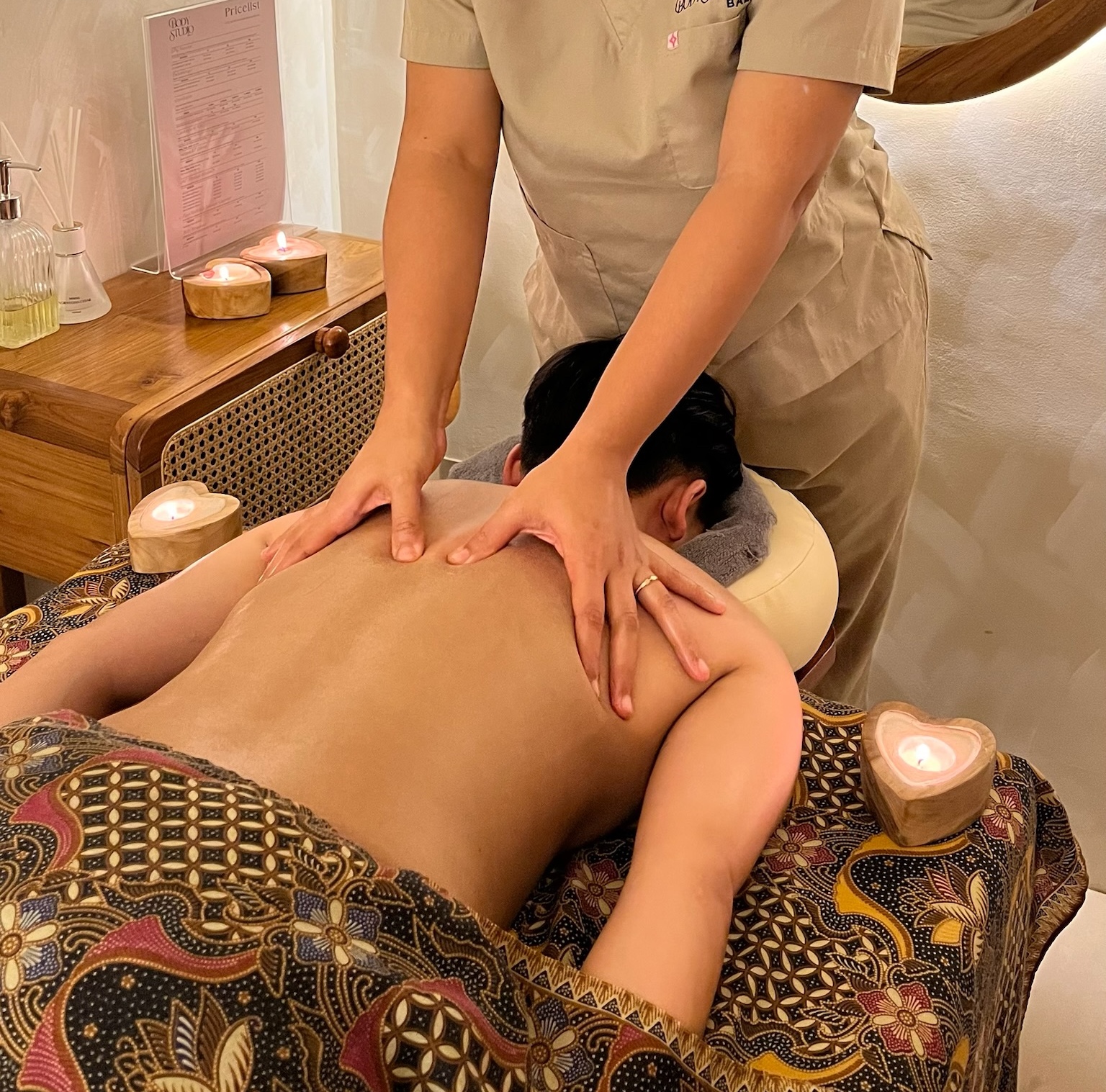
Living in Bali often feels like a constant negotiation with the climate. Between the lingering humidity, the intense sun, and the physical demands of navigating scooter traffic or exploring the island’s terrain, the body undergoes a unique set of stressors. Whether you are a long-term resident or a visitor, you likely feel the familiar drag of tropical heat on your energy levels and the subsequent fluid retention or muscle tightness that follows. In this context, a bali massage bali session is frequently framed as a luxury, but from a physiological perspective, it serves as a critical maintenance tool for the musculoskeletal and lymphatic systems.
To understand why a traditional session works, we must distinguish between the mechanical intent of deep tissue work and the broader systemic effects of relaxation-focused therapies. A true manual lymph drainage, for instance, operates on a specific mechanical principle: gentle, rhythmic pressure designed to influence the superficial lymphatic vessels. The literature supports that mechanical deformation of tissue—essentially stretching the vessel wall—can trigger calming, rhythmic lymphatic pumping. This is the physiological basis for why these treatments feel so restorative after a long flight or during periods of heat-induced edema.
However, it is vital to be honest about the boundaries of manual therapy. While a deep tissue massage—which Body Studio Bali offers starting from 315K for those needing focused relief for stubborn knots or gym-related stiffness—is essential for muscle recovery bali and managing the tension inherent in a fast-paced life, it cannot perform the role of a clinical body-contouring device. There is a persistent misconception that massage alone can “melt” fat or restructure subcutaneous tissue. In reality, the mechanical manipulation of muscles and superficial fascia is distinct from the targeted energy delivery of technologies like LPG Endermologie or ultrasound cavitation.
Distinguishing Therapeutic Recovery from Aesthetic Contouring
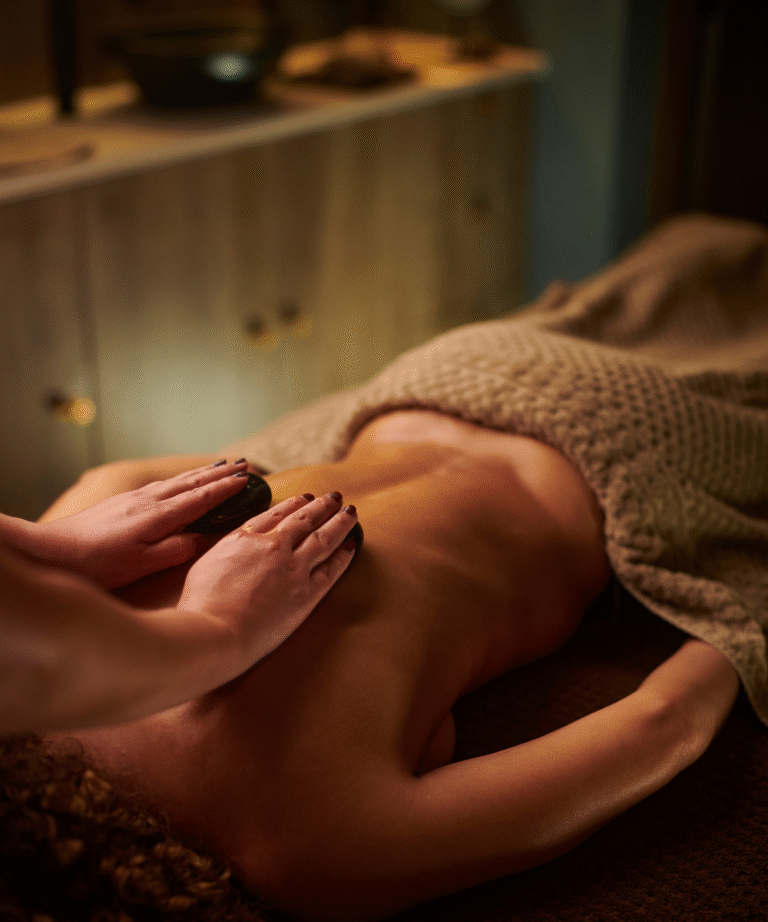
When you seek a deep tissue massage, you are engaging in a targeted interaction with muscle fibers and fascia, designed to break up adhesions and stimulate localized blood flow. In the humid, often dehydrating environment of Bali, muscles can become chronically tight as the body struggles to regulate its core temperature. Addressing this tension through traditional Balinese healing techniques provides a legitimate neurological reset, shifting the body from a sympathetic nervous system state (fight or flight) to a parasympathetic one. This is why these sessions feel fundamentally different from a machine-based treatment; one is an exercise in systemic regulation, while the other is an exercise in localized remodeling.
If your goal is specific aesthetic body contouring, such as reducing the appearance of cellulite or tightening loose skin, passive massage—no matter how skilled—will not replicate the clinical outcomes of specialized technology. The LPG mechanical vacuum-roller system, for example, was originally developed to treat scar and burn tissue; its transition into the cosmetic space relies on the mechanistic rationale of stimulating microcirculation and redistributing adipocytes. Similarly, when utilizing 80kHz ultrasound cavitation for fat reduction—available at Body Studio Bali for 699K—you are looking at a biochemical process where the treatment causes a significant, measurable rise in free fatty acids in the bloodstream, as evidenced by serial blood profiling studies. This is a scientific intervention, not a relaxation ritual.

Research comparing manual versus mechanical drainage often highlights this divide. A prospective randomized trial involving 40 lymphoedema patients found that while manual lymphatic drainage and mechanical compression devices produced statistically indistinguishable reductions in limb volume, the patients overwhelmingly preferred the human element of the massage. This tells us everything we need to know about the value of your spa time: choose the traditional Balinese body massage (which starts at 249K) for the sensory and systemic benefits, and choose the technology for the targeted physiological work.
Integrating these approaches is often the most effective strategy for wellness. Using a massage to manage the underlying muscle tension and lymphatic congestion caused by the tropical environment ensures that your body is in an optimal state to respond to other treatments. For those who prioritize a holistic approach, pairing a 60-minute or 90-minute traditional Balinese ritual with a targeted aesthetic session allows you to satisfy the need for deep physical recovery while simultaneously addressing specific contouring goals. Understanding that these two categories of care serve different systems of the body—one the neurological and musculoskeletal, the other the adipose and micro-vascular—is the key to building a realistic and effective personal wellness protocol in Bali.