

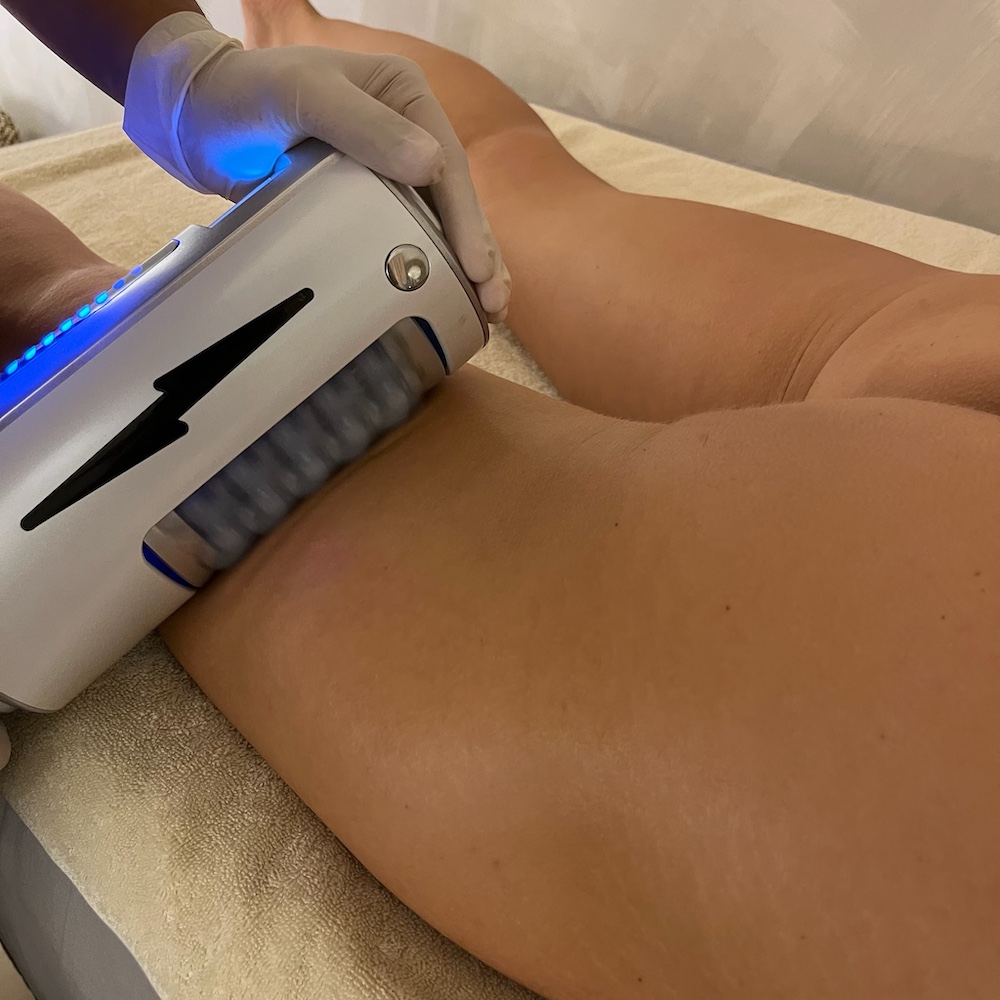
Stepping off a long-haul flight into the humidity of Bali, the first thing most people notice—aside from the sudden shift in temperature—is the feeling of heaviness in their legs. It is the hallmark of travel-induced edema, where the shift in pressure and hours of stagnation cause interstitial fluid to pool in the lower extremities. While the local instinct might be to reach for a “detox” package or a restrictive juice cleanse, the physiological reality of why we swell is far more mechanical. Our lymphatic system, unlike the cardiovascular system, lacks a central pump. It relies entirely on skeletal muscle contraction, respiratory pressure changes, and external compression to move lymph through its collectors and back toward the venous circulation.
The Physics of Compressive Microvibration
When we look at technologies like endosphere therapy bali, we are effectively looking at a targeted method of providing that missing external pressure. The core mechanism is a system of spheres that rotate at a set frequency to deliver compressive microvibration to the tissues. From a biological perspective, this is not about “flushing out toxins,” as the liver and kidneys are the only organs equipped to metabolize and clear metabolic waste. Instead, the process is rooted in mechanobiology. Research into mechanobiological oscillators has shown that the rhythmic deformation of tissue can trigger the lymphangion—the functional unit of a lymphatic vessel—to contract. By applying external pressure, we are essentially mimicking the movement that our bodies struggle to initiate during periods of sedentary travel or tropical heat-induced sluggishness.
Mechanical devices are often compared to the traditional manual lymphatic drainage techniques established nearly a century ago. While some patients prefer the human touch, clinical evidence suggests that when it comes to volume reduction, the difference is negligible. A prospective randomised crossover trial involving forty patients found that volume reduction was statistically indistinguishable between manual practitioners and mechanical devices. The value of a lymphatic drainage machine lies in the consistency of the frequency and the ability to maintain uniform pressure across larger surface areas, which can be particularly useful for addressing the persistent fluid retention that often accompanies a tropical lifestyle.
Where the Evidence Stands
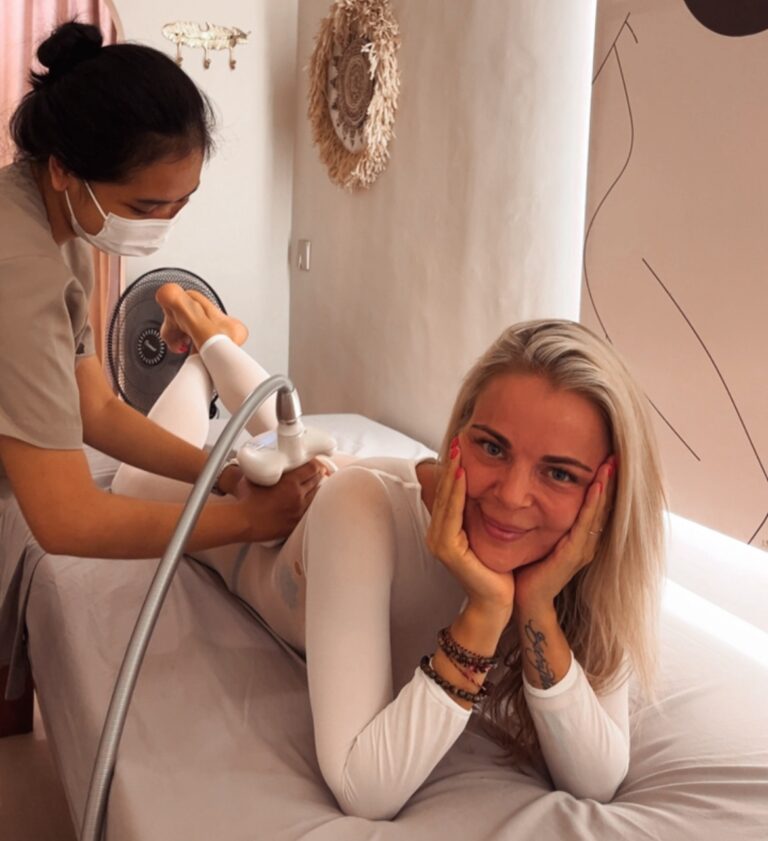
It is important to maintain a sober view of what these treatments can actually achieve. Marketing often leans into the idea of “sculpting” or “fat loss,” but the literature is more nuanced. For instance, mechanical vacuum-roller systems—the predecessors to modern vibration therapy, such as those pioneered by LPG Systems—are well-documented in the context of improving microcirculation and redistributing subcutaneous tissue. While peer-reviewed studies note that these treatments can assist in smoothing the appearance of cellulite, the clinical evidence base remains largely observational. We see temporary improvements in circumference and skin texture, largely due to the mobilization of stagnant interstitial fluid, but these are not permanent physiological shifts in fat composition.
Similarly, while surgeons recognize the role of lymphatic massage in the post-operative space to reduce edema and fibrosis, the mechanisms in healthy, non-surgical tissue are less definitive. We can comfortably state that compression microvibration is a highly effective tool for transiently reducing puffiness and improving the subjective feeling of heaviness. If you are struggling with post-flight swelling or the localized fluid retention common in Bali’s climate, these sessions offer a functional, non-invasive way to support your body’s natural drainage pathways. However, any change in circumference observed immediately following a session is almost certainly a result of shifting water content rather than a decrease in adipose mass.
Managing Expectations in the Studio
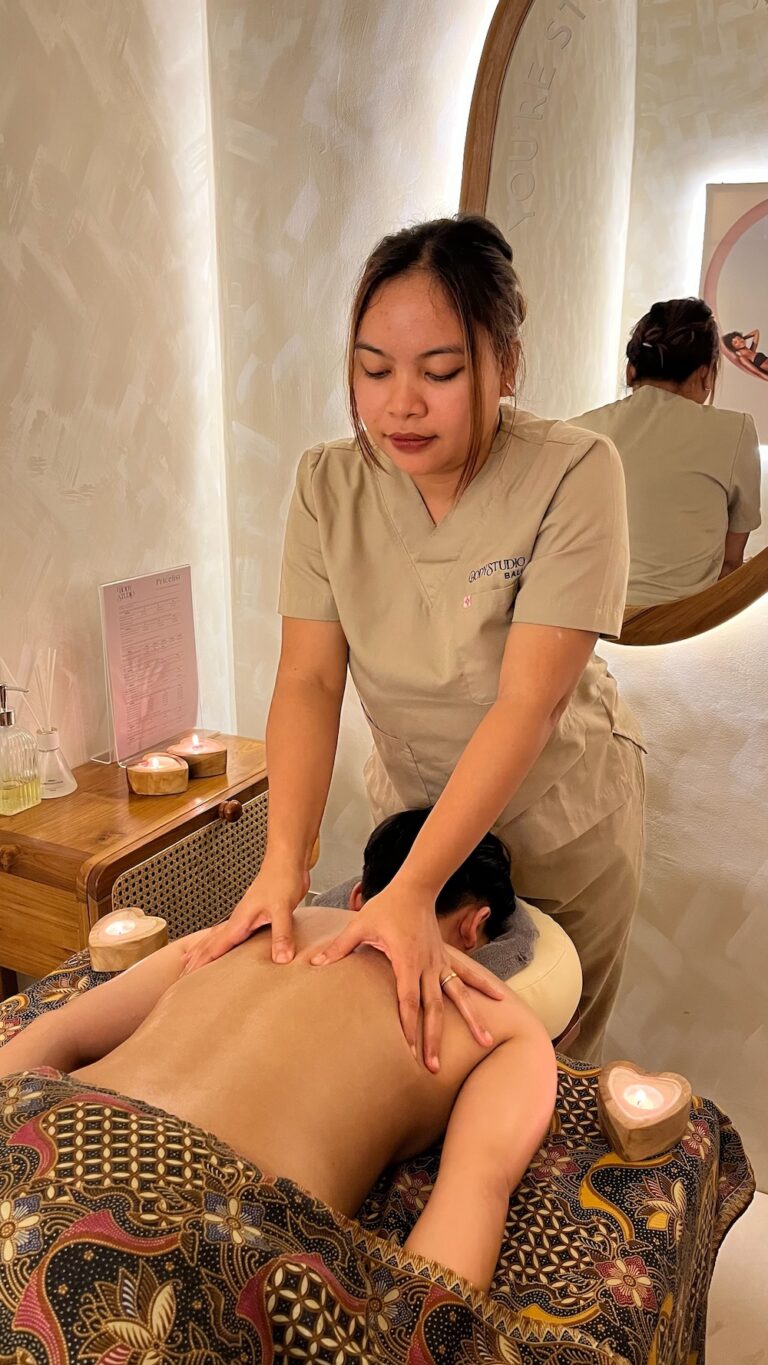
At Body Studio Bali, the EndosTherapy Body treatment is designed to work as a sequence of rhythmic mechanical actions to stimulate this circulation. At 649K per session, it is categorized as a therapeutic and aesthetic support rather than a medical intervention. The process involves a structured application of the rollers across the thighs, abdomen, hips, and arms, areas notorious for fluid stagnation. Because the system relies on the body’s own physiological response to pressure, it requires consistency rather than intensity. It is not a one-time fix; it is a way to support the body’s natural rhythm over a series of sessions.
If you are considering integrating this into your routine, keep your goals grounded in the physiological reality: you are paying for improved circulation, a reduction in visible puffiness, and the comfort of moving more freely in the heat. You are not utilizing a device that bypasses the need for balanced nutrition or metabolic function. By stripping away the hyperbolic marketing and focusing on the underlying mechanics of fluid movement, the experience becomes much more predictable. It is a support system for your lymphatic health, nothing more, and certainly nothing less.