
After a week of navigating Bali’s fractured pavement on a scooter or grinding through a heavy swell in Uluwatu, the romanticized image of a petal-strewn spa room feels less like a wellness goal and more like a distraction. When your quads are tight from surf-soreness and your joints are protesting the humidity, the priority shifts from atmosphere to physiological recovery. A couples massage на Бали session, when approached with a focus on tissue health rather than candlelit aesthetics, becomes a necessary maintenance tool for the active island resident or the weary long-haul traveler.
The Physiology of Recovery and Mechanical Intervention
The human body is remarkably efficient at managing minor trauma, but the combination of travel-induced edema and intensive exercise can overload natural recovery systems. When we discuss professional bodywork, we are essentially discussing the manipulation of soft tissue to facilitate circulation and lymphatic flow. Research into mechanobiological oscillators confirms that the physical deformation of tissue—essentially, the pressure applied by a therapist’s hands—actually drives lymphatic pumping. By physically stretching vessel walls, we trigger calcium-mediated contractions that move fluid away from swollen extremities.
For those familiar with the clinical lineage of these techniques, the ручного лимфодренажа tradition, established in the 1930s, remains the gold standard for this physiological support. While mechanical devices have emerged as popular alternatives, comparative studies suggest that the preference for human touch remains high. In a prospective crossover trial involving patients with lymphedema, researchers found that while volume reduction was statistically indistinguishable between hands and machines, 68% of participants significantly preferred the experience of manual therapy. For couples, this means that selecting a session tailored to individual muscle needs—rather than a pre-packaged, uniform service—allows for a more effective recovery cycle.
Beyond Passive Relaxation: Tailoring the Shared Session
The true value of a professional luxury wellness Bali experience lies in the capacity for diagnostic personalization. A shared session does not require two people to receive the same treatment; it merely requires the same room and the same start time. If one partner is dealing with localized muscle fatigue from surfing, they may benefit from a deep tissue approach, which focuses on identifying and releasing specific trigger points. The other partner might require a lighter, systemic approach, such as lymphatic drainage, to combat the fluid retention associated with long-haul flights.
This structural flexibility is critical. While deep tissue work focuses on the cross-fiber friction required to address muscle adhesions, lymphatic work relies on a different, more rhythmic pressure designed to encourage the movement of interstitial fluid. By booking a session where both individuals are treated by their own dedicated therapist simultaneously, the experience moves away from a passive, one-size-fits-all indulgence and into the realm of functional maintenance. This is particularly relevant for those seeking a surf recovery massage, where the immediate goal is to address the specific myofascial tension created by repetitive paddling and unstable boarding.
Managing Expectations for Tissue Health
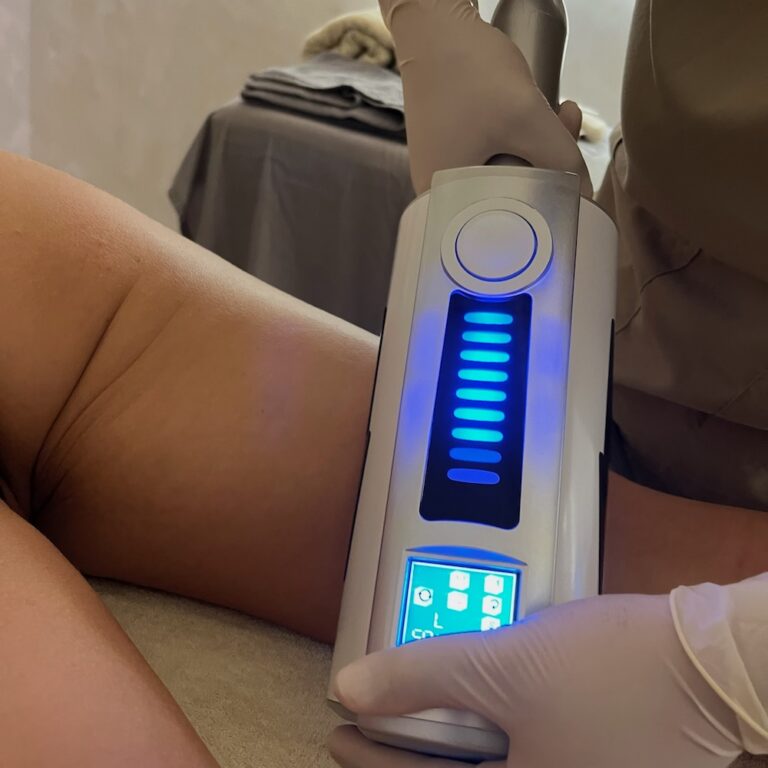
It is important to remain grounded in what manual therapy can and cannot achieve. While consistent bodywork assists in managing inflammation and reducing the sensation of “heaviness” post-travel, it is not a cure-all for chronic structural injury. Similarly, while we often associate bodywork with aesthetic improvements, the mechanism is primarily circulatory. For instance, while mechanical interventions like LPG Endermologie have roots in physiotherapy for scar and burn tissue, their application in cellulite reduction is supported by a body of literature that acknowledges observational improvements alongside the mechanical redistribution of adipocytes. These results are rarely permanent and typically require ongoing maintenance.
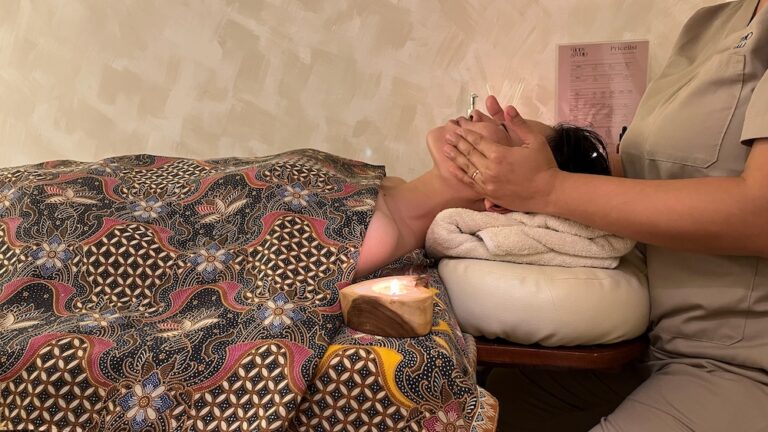
At a couples spa day Uluwatu, the process is streamlined to prioritize these outcomes. You settle into a private room with two tables, and because each therapist provides a bespoke service, the session addresses the specific physiological demands of each person. The menu allows for a clear choice: a 60 or 90-minute Balinese body massage provides a broad-spectrum unwind, while a 60-minute массаж глубоких тканей is suited for the concentrated tension found in shoulders and lower backs. A 60-minute lymphatic drainage massage acts as a targeted intervention for systemic puffiness. By starting and finishing in unison, the logistical friction of a shared spa visit is eliminated, leaving only the recovery-oriented work of the therapists.
Ultimately, the effectiveness of any bodywork session is predicated on the communication between the client and the therapist. Whether you are aiming to flush metabolic waste post-exercise or simply reduce the neurological tension of travel, the most successful sessions are those where the pressure and technique are explicitly tuned to the individual’s current physical state. In a climate like Bali’s, where the heat and humidity already place a unique demand on the body’s cooling and circulatory systems, this level of focused, individual care is the most logical approach to long-term physical maintenance.