

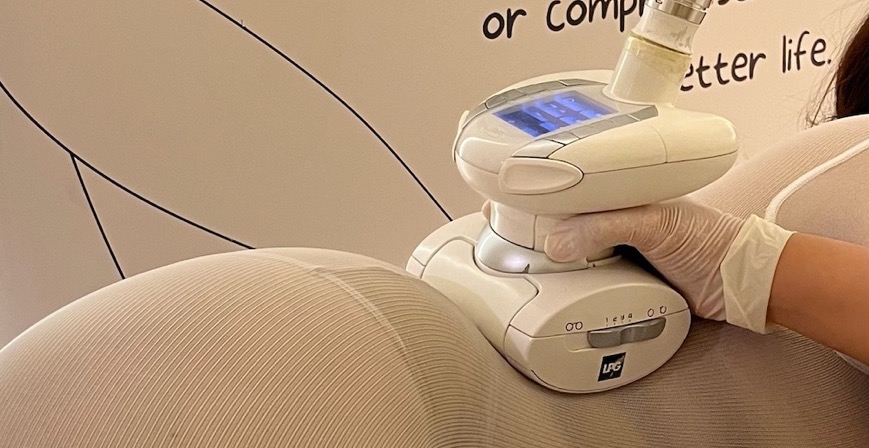
Stepping into a treatment room in Bali often involves a transition from the humid, salt-heavy air of the coast to the cool, clinical quiet of a studio. If you are here for your first LPG endermologie appointment, the first thing you will notice is the requirement to wear a sheer, full-body white suit. It looks slightly clinical, but it serves a vital mechanical purpose: it prevents the machine’s rollers from pinching the skin directly and allows the vacuum head to glide across the body with consistent friction.
The history of this technology is rooted in physical medicine, not cosmetics. Developed in 1986 by Louis-Paul Guitay, the Cellu M6 was originally designed to mechanically replicate the hands-on physiotherapy movements used for scar and burn tissue rehabilitation LPG Systems. It is this lineage that defines the sensation of a vacuum roller massage: it feels less like a spa treatment and more like a structured, rhythmic mobilization of your soft tissue.
Understanding the Mechanical Sensation
As the therapist maneuvers the handpiece, you will feel a firm, rhythmic suction accompanied by motorized rollers that fold, lift, and release the skin. The reason the therapist changes direction or intensity isn’t random. They are following specific protocols designed to target different tissue depths. Mechanistically, this process is intended to stimulate lymphatic drainage and address microcirculation cellulite literature. While the aesthetic goal often centers on cellulite, the physiological reality is that mechanical deformation of the tissue can, in fact, drive lymphatic pumping. Research shows that stretching the lymphatic vessel wall triggers calcium-mediated contractions, while shear stress from the resulting flow encourages the release of nitric oxide, which relaxes the vessel to keep fluid moving mechanobiological oscillators.
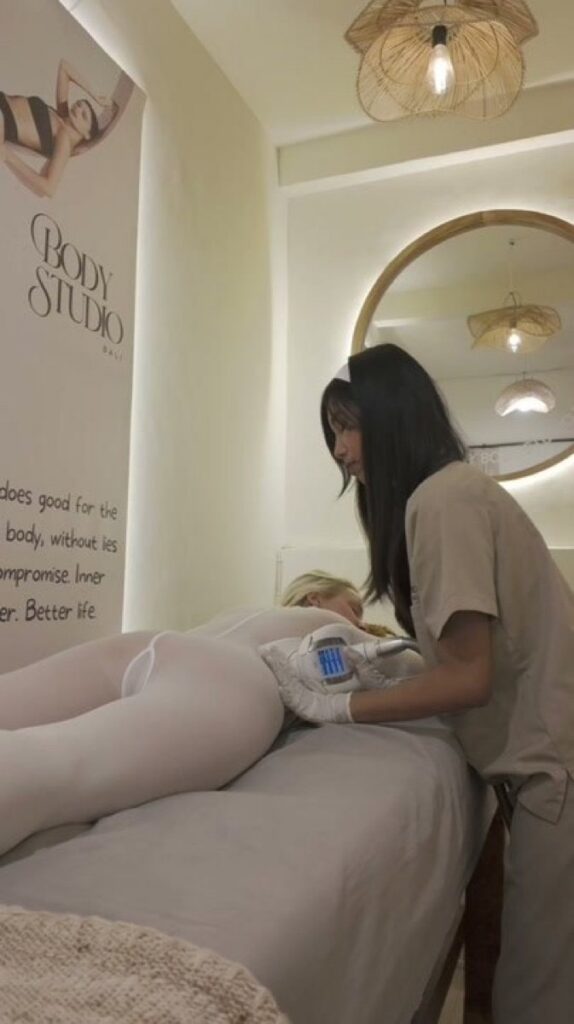
You may find yourself wondering how this compares to traditional Manuele lymfedrainage (MLD), which has been a staple of clinical therapy since the 1930s Manual Lymphatic Drainage. In direct head-to-head trials measuring limb-volume reduction, mechanical devices have shown results statistically indistinguishable from manual techniques, though many patients report a distinct preference for the human touch, often finding it more pleasant Therapist versus Machine. At Body Studio Bali, we often find that clients appreciate the consistent, unrelenting pressure of the machine, which does not tire or lose rhythm over the course of a session.
Managing Expectations and Session Counts
If you are walking into your Endermologie first session expecting an overnight silhouette change, it is important to recalibrate. The literature surrounding non-invasive body contouring is clear: while adjunctive therapies can assist in reducing edema or post-procedural fibrosis, the mechanisms are complex and often debated by surgeons Utility of Lymphatic Massage. Because the device operates on a tissue-stimulation model, it is strictly a cumulative practice. You are not treating a single localized point of fat; you are attempting to influence the metabolic and lymphatic environment of the subcutaneous tissue.
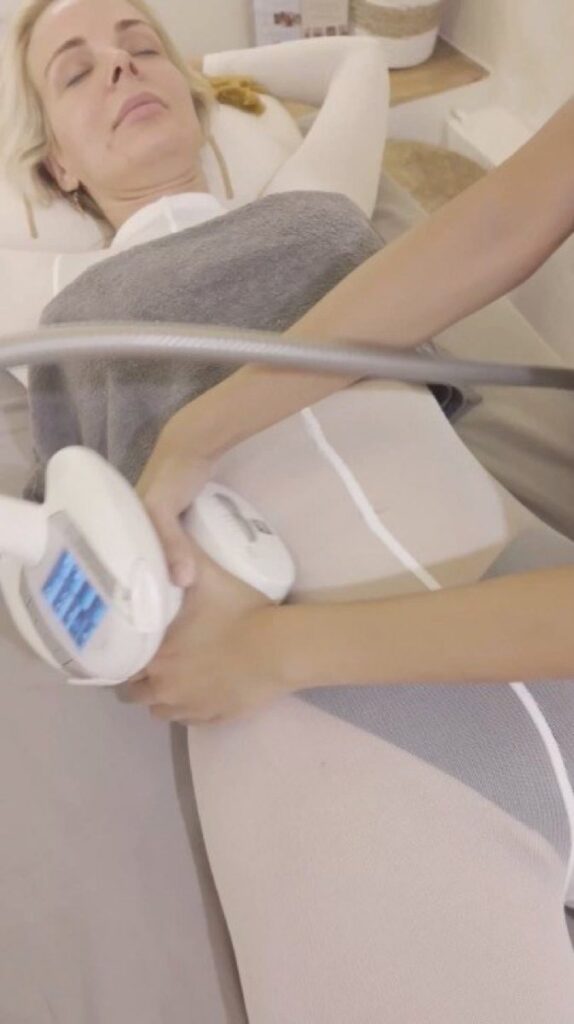
Most individuals require a course of sessions—typically 10 to 15—to see noticeable changes in skin texture or fluid retention. After the session, your skin may appear slightly flushed, which is a normal indicator of increased local circulation. You might feel a sensation of lightness due to the mobilization of stagnant interstitial fluid, but this is distinct from fat loss. While Cavitatie treatments have shown direct biochemical evidence of elevated free fatty acids in the blood post-treatment Blood lipid profiles, LPG is more focused on the structural integrity of the skin and the efficiency of the lymphatic system.
The Reality of Tropical Skin and Tissue
Living in a tropical climate brings its own challenges to body aesthetics. Humidity and heat can exacerbate fluid retention, making your limbs feel heavy or “puffy” by the end of the day. Because the lymphatic system is sensitive to inflammation and environmental stress, regular mechanical drainage can be a useful tool for managing the daily swell of island life. However, consistency is the primary driver of efficacy. A one-off treatment will provide a temporary reduction in superficial edema, but the physiological adaptations in the connective tissue require sustained, recurring stimulation to stabilize.
When selecting your treatment path, prioritize clinics that explain the necessity of a full course. If a provider promises significant results from a single visit, they are misrepresenting the mechanical nature of the treatment. True progress happens in the weeks following the initial phase, as the tissue responds to the repeated signals of stretch and compression. Approach your sessions as a form of “exercise” for your lymphatic system—something that requires time, commitment, and a clear understanding of what mechanical stimulation can, and cannot, achieve.