

Stepping off a plane in Denpasar after a long-haul flight, most travelers immediately notice the same physical feedback: a heavy, sluggish feeling in the extremities and noticeable swelling in the ankles. This is rarely a sign of pathology, but rather the body’s reaction to hours of immobility coupled with the sudden shift into tropical heat fluid retention. When the body experiences such rapid environmental changes, the lymphatic system—a network of vessels responsible for transporting interstitial fluid—can struggle to maintain its usual rhythm. For those seeking immediate relief, understanding the difference between a high-tech machine-led treatment and a manual, intentional session is essential for choosing the right recovery path.
Looking to book rather than read? Our manual lymphatic drainage massage in Uluwatu is sixty minutes of the gentle, directional work described below.
The Physiology of Touch and Lymphatic Flow
The lymphatic system lacks a central pump like the heart. Instead, it relies on the contraction of smooth muscles in the vessel walls and external pressure to move fluid. Research indicates that mechanical deformation of tissue can drive this process; stretching the lymphatic vessel wall triggers calcium-mediated contraction, while the resulting shear stress releases nitric oxide to relax the vessel, effectively creating a physiologically characterized pumping mechanism. This is the scientific basis for manual lymphatic drainage, a method originally developed by Emil and Estrid Vodder in the 1930s. By using rhythmic, light-pressure strokes that follow the body’s natural lymphatic pathways, practitioners aim to encourage this flow without overwhelming the delicate, superficial vessels.
While the literature confirms that manual techniques are used as an adjunct to reduce oedema and fibrosis after surgical procedures, plastic surgeons often note that the exact physiological mechanism in healthy tissue remains a subject of debate, with conflicting hypotheses regarding lymph transport. This is why it is critical to distinguish between medical management and a wellness-based bali lymphatic drainage massage. At Body Studio Bali, this treatment is strictly a 60-minute session based on the Vodder method. It is designed for those who want to feel less puffy after a long journey or who are struggling with general heaviness. It does not treat medical conditions, nor does it claim to perform the functions of clinical lymphedema therapy.
Addressing Heat-Induced Stress
Living in or visiting Bali involves navigating a high-humidity environment that directly affects the skin and body. Beyond the common issue of post-travel bloating, the tropical climate creates a constant physiological load. Research into skin health confirms that heat measurably raises oil production, with sebum excretion rates rising by approximately 10% for every one-degree Celsius increase in temperature. Furthermore, the occlusion of sweat ducts due to skin debris and biofilm can lead to conditions like miliaria, or heat rash, which affects a significant portion of adults in humid regions. While a lymphatic drainage massage is not a treatment for skin conditions, the sense of lightness it provides can be a necessary reprieve when the body feels overwhelmed by the constant heat.
It is important to manage expectations regarding what these techniques can achieve. A manual session is an exercise in circulation support and relaxation. It cannot, by the laws of thermodynamics and biology, “burn” fat or permanently reshape body contours. If your goal is to address stubborn adipose tissue, the mechanism must be different. Treatments like 80kHz ultrasonic 캐비테이션 or cryolipolysis rely on physical disruption—either through acoustic cavitation bubbles that cause fat cell membrane rupture or through the cooling of cells to induce apoptosis. Evidence shows that a 30-minute abdominal cavitation session can lead to significant rises in free fatty acids in the blood, representing a distinct biochemical process compared to the gentle encouragement of fluid movement found in manual massage.
Choosing Between Machines and Hands
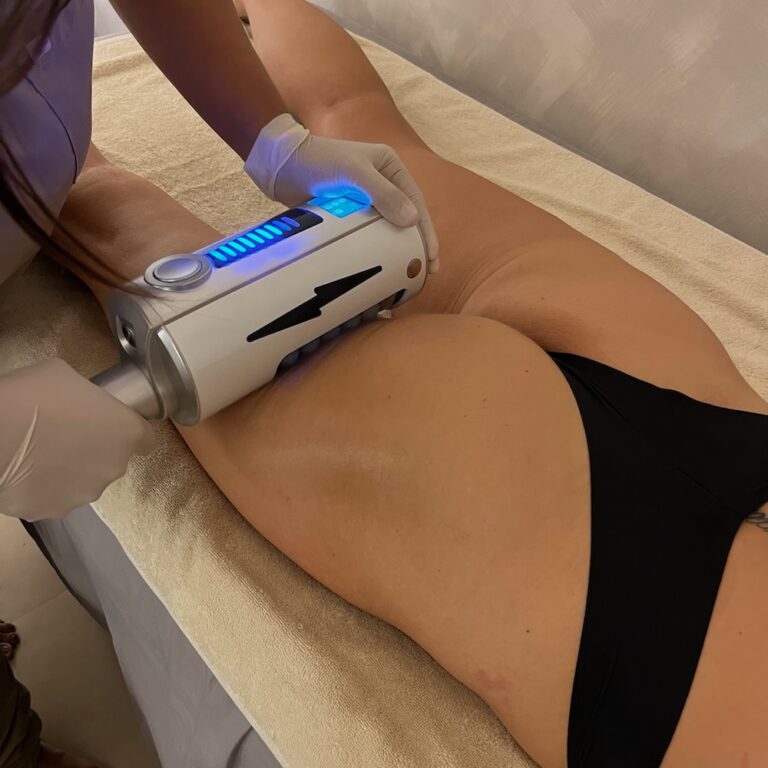
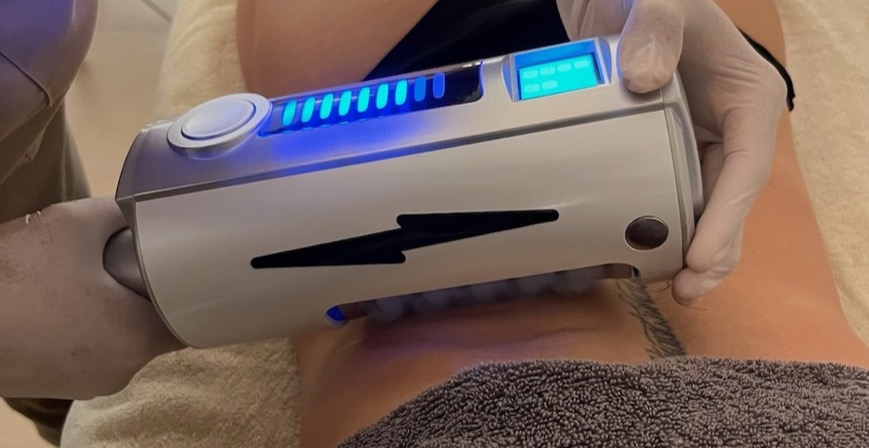
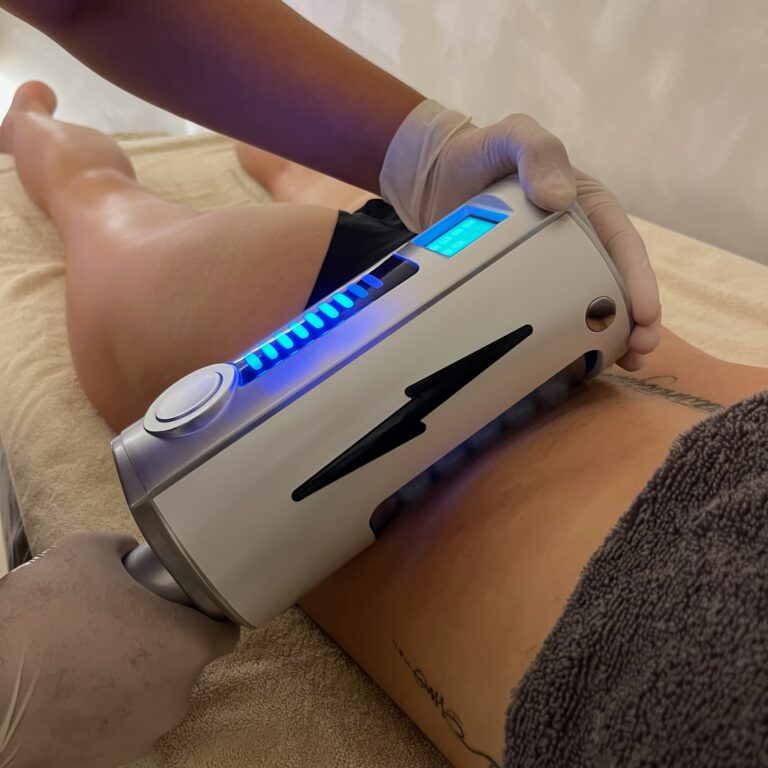
The distinction between manual massage and technology-driven body contouring often comes down to the desired outcome. Mechanical vacuum-roller massage, such as LPG Endermologie, is documented in the aesthetic literature for its ability to address impaired microcirculation and redistribute adipocytes. However, the evidence for such mechanical treatments is largely observational, and clinical results can vary significantly. By contrast, a manual manual lymphatic drainage benefits from being an intuitive, low-impact experience. Because the session utilizes very specific, light-directional strokes moving from the extremities inward, it is best suited for those who prefer a calm, quiet reset rather than the intensity of mechanical firming treatments.
The 60-minute session at Body Studio Bali for IDR 489,000 is intentionally designed as a wind-down experience. There is no benefit to increasing the pressure; in fact, heavy pressure can collapse the superficial lymphatic vessels and hinder the very flow one is trying to assist. The session focuses on the body’s natural pathways, offering a moment of stillness that is often lost during the transit and adjustment phase of tropical travel. Whether you are dealing with the fluid retention that follows a twelve-hour flight or simply the physiological weight of a humid week, this form of manual therapy provides a grounded, honest approach to body recovery. It is a reminder that sometimes the most effective way to help the body return to its baseline is not to force a transformation, but to support the rhythm of its own internal systems.