

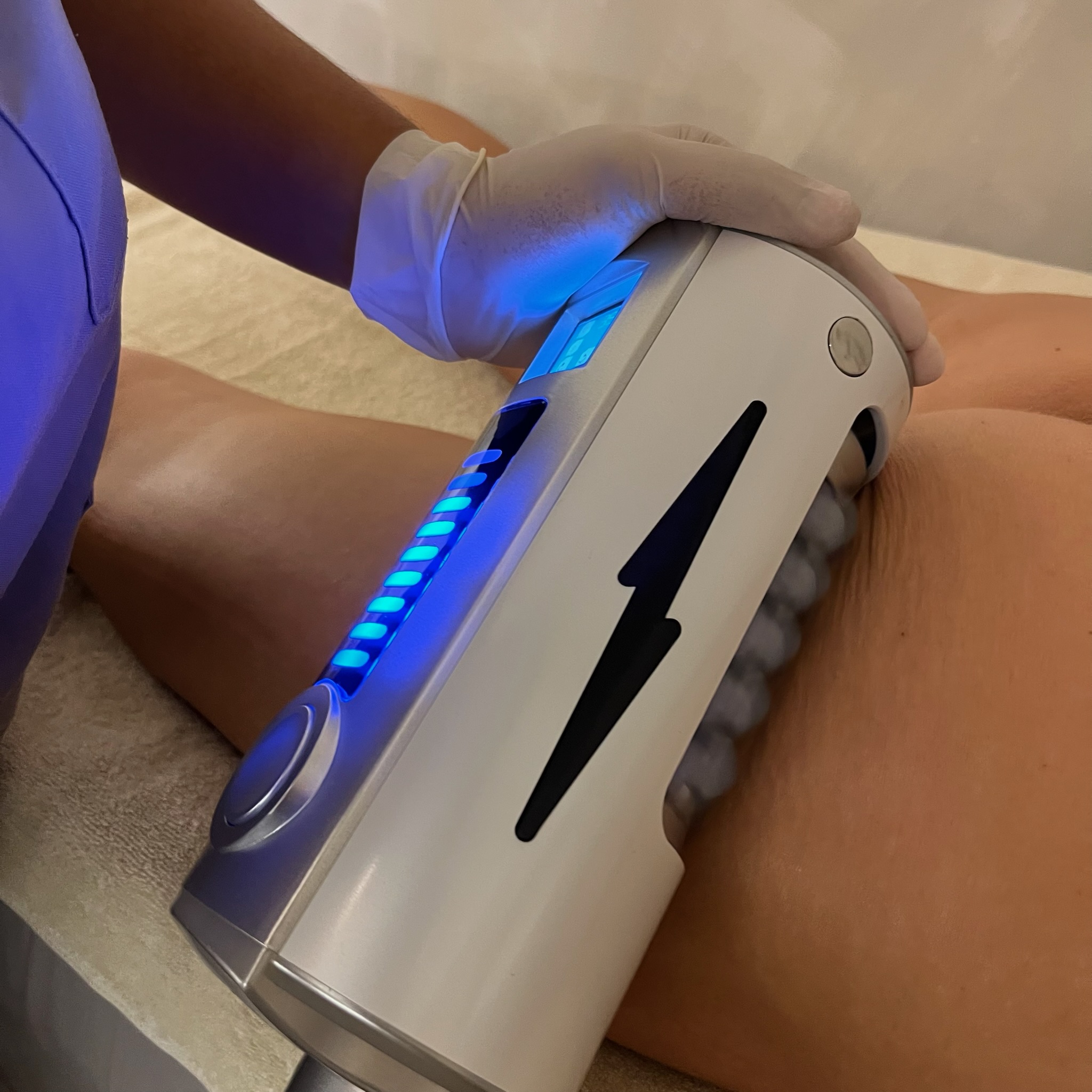
Look at the skin on your thighs, your hips, or your abdomen. If you see the uneven texture often referred to as orange peel skin, you have likely spent years being told that you are carrying too much fat or not exercising enough. This is a persistent, frustrating narrative that ignores the fundamental biology of how human skin is anchored to the body. Cellulite is not a fat problem; it is a structural problem.
The Architecture of the Skin
The difference between how men and women experience skin dimpling lies in the connective tissue beneath the dermis. In the female anatomy, the fibrous septae—the collagen bands that tether the skin to the underlying fascia—run perpendicular to the surface. This creates small, box-like compartments that house fat lobules. When these fat cells expand or when the skin loses elasticity, the fat is pushed upward against the surface, while the rigid, perpendicular bands continue to pull downward. This tension creates the visible pattern of depressions and protrusions. In men, these septae are structured in a criss-cross, web-like pattern that effectively contains fat lobules, preventing them from herniating into the dermis.
Because the issue is architectural, typical weight loss strategies often fail to resolve it. In fact, losing weight can sometimes make the dimpling more apparent, as the loss of volume in the fat lobules can allow the skin to sag further against those fixed, pulling fibrous bands. This is why non-invasive cellulite treatment methods must focus on the mechanical state of the tissue rather than simply reducing fat mass. The American Academy of Dermatology notes that even for non-invasive fat reduction, the ideal candidate is someone who is already at a stable, healthy weight, seeking to refine a specific, localized area rather than achieve a total body transformation.
Mechanical Mobilization and Microcirculation

If creams and lotions, which mostly sit on the surface of the epidermis, cannot change the underlying septae, what does? The peer-reviewed literature suggests that the most effective non-invasive approaches rely on mechanical stimulation. Modalities like LPG Endermologie utilize vacuum-roller technology to physically mobilize the connective tissue and stimulate lymphatic drainage. By mechanically addressing the area, these treatments aim to improve microcirculation, which is often impaired in regions affected by cellulite causes.
While industry marketing often promises immediate “cures,” the reality is more nuanced. Evidence confirms that massage-based therapies can increase local blood flow and reduce interstitial fluid, creating a temporary smoothing effect on the skin’s texture. However, the International Journal of Therapeutic Massage & Bodywork highlights that results remain inconsistent across studies because protocols for duration and pressure vary significantly. There is no “magic bullet” session. Instead, the physiological goal is the slow, cumulative remodeling of the tissue, which requires a consistent, multi-session approach to see measurable progress. Even then, the research into combining different non-invasive modalities remains an open question in the modern scientific landscape, requiring cautious expectations regarding long-term outcomes.
The Reality of Targeted Bodywork
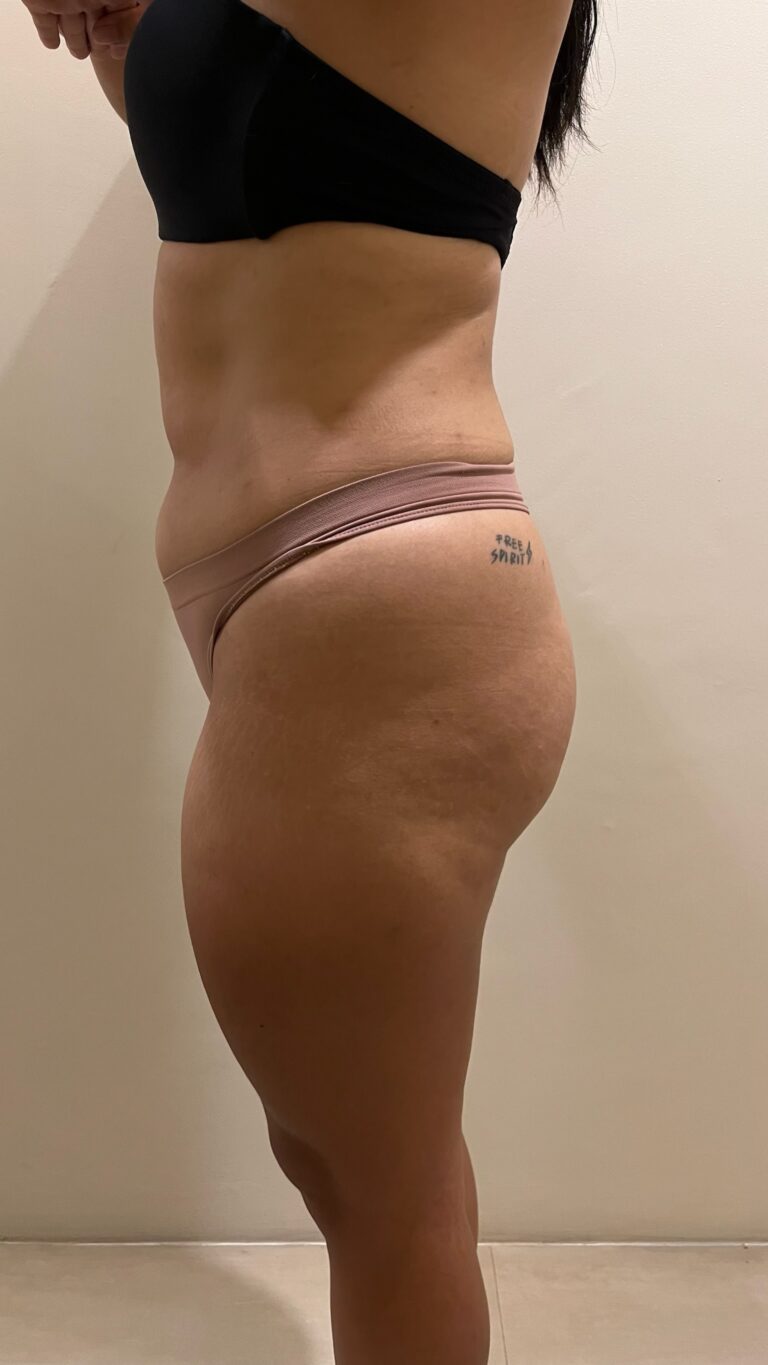
At Body Studio Bali, the approach to these concerns is grounded in manual mechanics rather than miracle claims. Their 60-minute セルライト マッサージ is designed as a firm, athletic treatment that targets the hips, thighs, and abdomen. The sequence is deliberate: it begins with light warm-up strokes to prepare the tissue, transitions into sustained, rhythmic compression to encourage lymphatic flow, and concludes with a cool-down phase. This is not a relaxing spa treatment in the traditional sense; it is a mechanical intervention designed to move fluid and bolster local circulation. Pricing is structured to encourage this consistency, with single sessions available for IDR 550,000, 5-session packages for IDR 2,099,000, and a 10-session series for IDR 4,000,000.
It is important to remember that such treatments are not a substitute for medical weight loss. As board-certified plastic surgeons have noted, non-surgical body contouring is intended for individuals who are already close to their target weight. Furthermore, for those who find the intensity of longer treatment sessions taxing, it is worth noting that clinical considerations for fatigue—particularly in a tropical climate where hydration and energy levels fluctuate—are valid factors when planning a course of treatment. The body is a complex system of fluid, fascia, and structural bands; understanding that the results are subtle and inherently temporary is the first step toward a more honest, effective relationship with your own skin.