

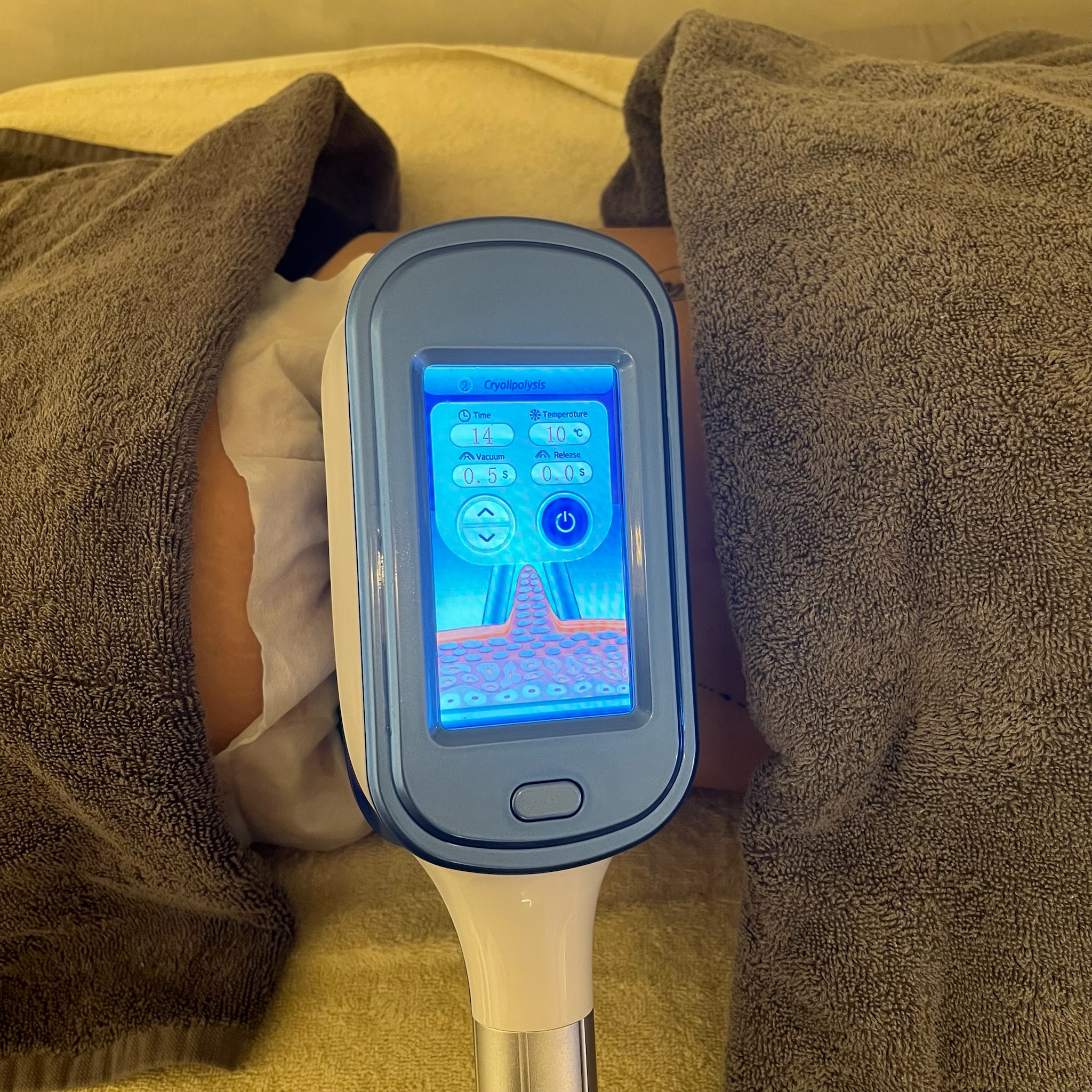
If you have spent any time scrolling through aesthetic clinic feeds while living in or visiting Bali, you have likely encountered a specific type of imagery: the side-by-side shot of a midsection, miraculously flattened, with the “after” photo showing a dramatic, gravity-defying transformation. In the world of non-invasive body contouring, these visuals are often the primary marketing tool. However, for those of us who prioritize physiological reality over digital artifice, these images are frequently misleading. When you begin to look at fat freezing before and after photos with a critical eye, you realize that most of the “results” displayed are a matter of staging rather than science.
The optics of the “before and after”
To understand why these photos so often deceive, you have to look at the anatomy of the shot. A clinical body contouring photo requires strict standardization: identical lighting, camera height, and distance. Even a slight adjustment in pelvic tilt—tilting the hips back to flatten the stomach—or the subtle shift caused by a different time of day can alter the appearance of a silhouette more than a medical procedure could in a week. When you see a dramatic change, look for the tan lines. If the “after” photo shows the subject standing differently, with shoulders pulled back or the abdominal muscles subtly engaged, you are looking at a masterclass in posing, not an objective documentation of subcutaneous fat reduction.
The literature reports that the biological process of cryolipolysis is intentionally gradual. The founding research on selective cryolysis, conducted at the Wellman Center for Photomedicine, demonstrated that when fat cells are subjected to prolonged, controlled cooling, they undergo apoptosis—a programmed cell death. This is not a vacuum-powered liposuction; it is a slow, inflammatory process where the body identifies and clears damaged cells through its natural metabolic pathways over several months. Because this is a localized biological response, the change is subtle. As noted by the American Academy of Dermatology, these results are not akin to surgery. A 20% to 25% reduction in a two-centimetre pinch of fat translates to roughly four to five millimetres of volume loss. A high-definition camera, especially one with a wide-angle lens, will often fail to capture this change, which is why professionals rely on tape measures and calipers rather than Instagram-ready galleries to track success.
Why the results feel undramatic
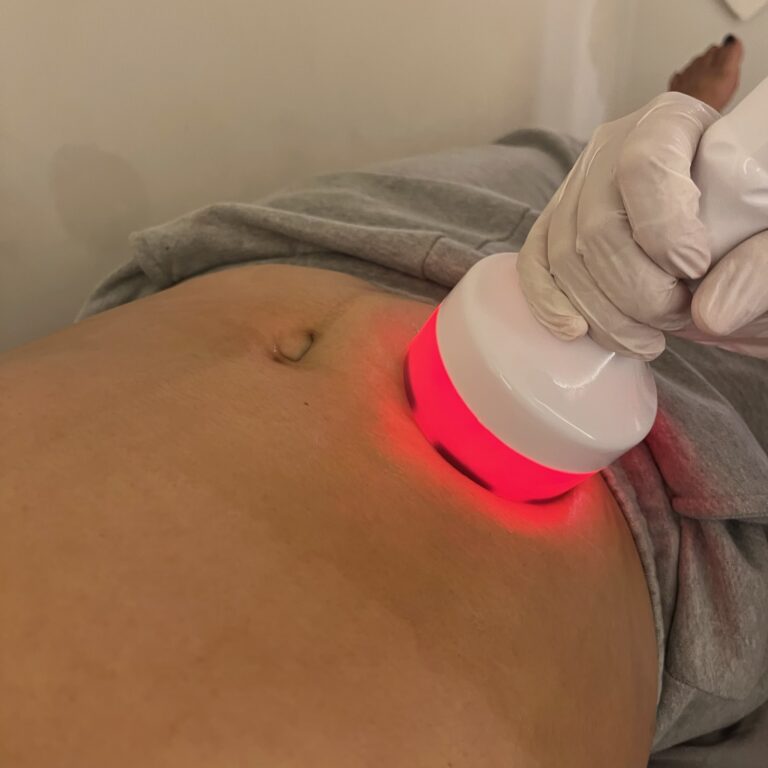
There is a fundamental disconnect between what patients hope for and what cryolipolysis results actually look like. According to the Harvard Medical School, the ideal candidate is someone already near their target weight who is struggling with small, pinchable pockets that do not respond to diet or exercise. If you are expecting a change in body weight, you will be disappointed. Peer-reviewed meta-analyses have confirmed that while circumference and fat-layer thickness decrease, the overall scale weight of the patient remains statistically unchanged. This is because the treatment is strictly for subcutaneous fat; it does not touch visceral fat—the fat surrounding internal organs—and it confers no systemic health benefits.
The timeline is equally important to manage. In a clinical review, the reduction in fat layers typically reaches a peak between 8 and 12 weeks post-treatment. This is a physiological limit of how quickly the lymphatic system can process the discarded cells. If a clinic promises a major transformation in a few days or weeks, they are ignoring the reality of cell apoptosis. Because the process is internal, Body Studio Bali emphasizes measuring rather than photographing. We mark the applicator position precisely, perform the suction to cool the tissue from 360 degrees, and then allow the body to do the work over the subsequent three months. There is no instant flush of fat that can be accelerated by a post-treatment massage; the clearance is a delayed, metabolic marathon.
Understanding the scope of treatment
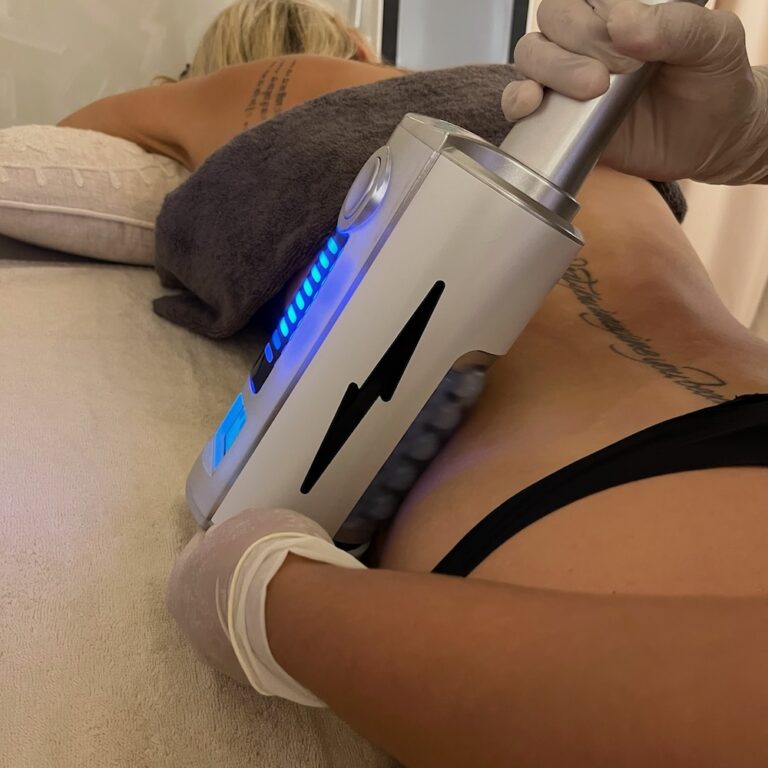
When you consult with a specialist, the assessment is the most important stage. An honest assessment determines whether your pocket of fat is actually a good candidate for the cooling applicator. If you have loose, hanging skin, cryolipolysis will not tighten it—in fact, it may make the skin look looser by reducing the volume beneath it. Furthermore, because the cooling effect is localized, the treatment is measured by the number of applicators or “areas” required. At Body Studio Bali, a session involves a 55-minute cycle where the device is held in place, allowing the cold to penetrate deeply and evenly.
Prices are reflective of these placements, ranging from IDR 1,620,000 for a single area to IDR 6,075,000 for five areas. Each 55-minute session is about the precision of the application, not the speed of the result. As the research indicates, the process is safe and requires no downtime, but it requires patience. By moving away from the expectation of “before and after” marketing and toward the reality of measured tissue reduction, you shift your focus from the vanity of the image to the tangible, if modest, changes in how your clothes fit. If you are already at a stable weight and looking for a way to address a specific, persistent pinch of fat that seems immune to your current routine, this approach offers a consistent, evidence-based path forward.