
The humidity in Bali does more than just compromise a blowout or melt makeup; it changes the way our bodies manage heat. When the ambient temperature rises and the air holds steady at 80% humidity, our physiological cooling systems—primarily sweat—become less efficient. This leads to a constant, low-grade stress on the autonomic nervous system. For those living in or visiting the island, this often manifests as persistent tightness across the forehead, temples, and neck, a phenomenon we frequently categorize as a tension headache.
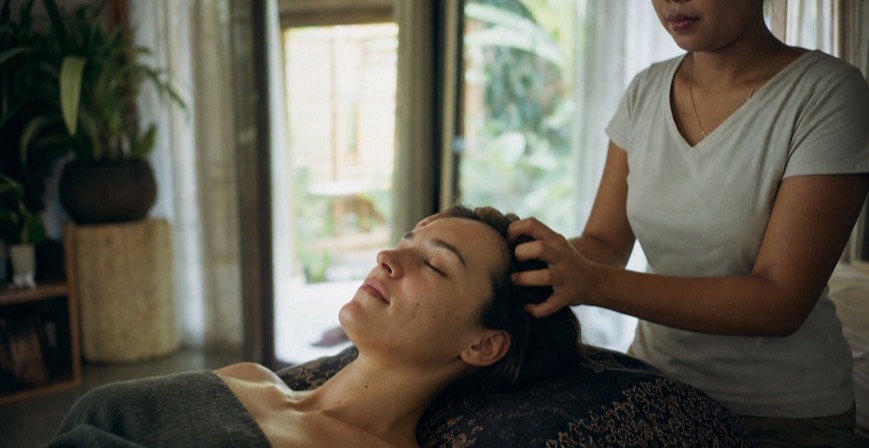
While the sensation of a tight scalp is common, understanding the physiology behind it is essential. Scalp tension is not merely “stress” in an abstract sense; it involves the sustained contraction of the galea aponeurotica, the dense fibrous tissue that covers the top of the skull. When the body is under the combined pressure of travel, heat exposure, and the environmental demands of the tropics, the trapezius and sternocleidomastoid muscles often tighten in sympathy, pulling on the attachments of the scalp. This creates a feedback loop of discomfort that is distinct from vascular-driven chronic migraines or cluster headaches. A professional head massage Bali treatment acts as a localized intervention to disrupt this cycle by manually deforming the soft tissue, which can influence the mechanoreceptors responsible for pain signaling and muscle tone.
The literature regarding tissue deformation provides a compelling rationale for why manual intervention works. Research into the mechanobiology of the lymphatic system, such as that published in the Proceedings of the National Academy of Sciences, demonstrates that mechanical deformation of tissue can drive fluid movement by triggering calcium-mediated contractions in the lymphatic vessel walls through phasic contractions. While most people associate lymphatic drainage with the limbs or post-surgical recovery, the same physiological principles apply to the dense connective tissues of the head and neck. By applying rhythmic, controlled pressure, a therapist can facilitate the movement of interstitial fluid, reducing the localized edema that contributes to the “heavy head” feeling often experienced after a long flight or a day under the intense equatorial sun.
It is important to maintain a realistic perspective on what these treatments can and cannot achieve. While this modality is highly effective for addressing tension resulting from environmental stressors or poor posture, it is not a substitute for clinical intervention in cases of diagnosed neurological conditions or chronic migraines. A head massage provides tension headache relief by addressing the muscular and fluid-dynamic components of discomfort, but it does not alter the underlying triggers of systemic migraine disorders. When seeking out this form of stress relief Uluwatu locals and visitors alike often find that the efficacy lies in the therapist’s ability to target the specific myofascial trigger points that are often exacerbated by the constant hum of island heat.
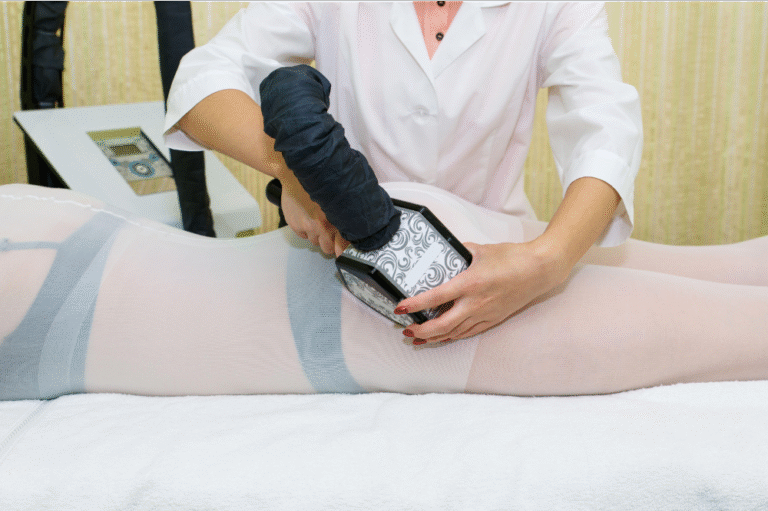
At Body Studio Bali, the approach to this discomfort is integrated into a specific 149K head massage ritual. The sequence is designed to move systematically from the shoulders upward, acknowledging that the scalp cannot be addressed in isolation from the neck. By releasing the primary muscle groups that anchor the head, the scalp tissue is granted a level of physiological slack that allows for deeper relaxation. This methodology aligns with broader research indicating that while machines like those used in mechanical lymphatic drainage are excellent for limb volume reduction, human touch remains significantly more effective for patient comfort and nervous system regulation.
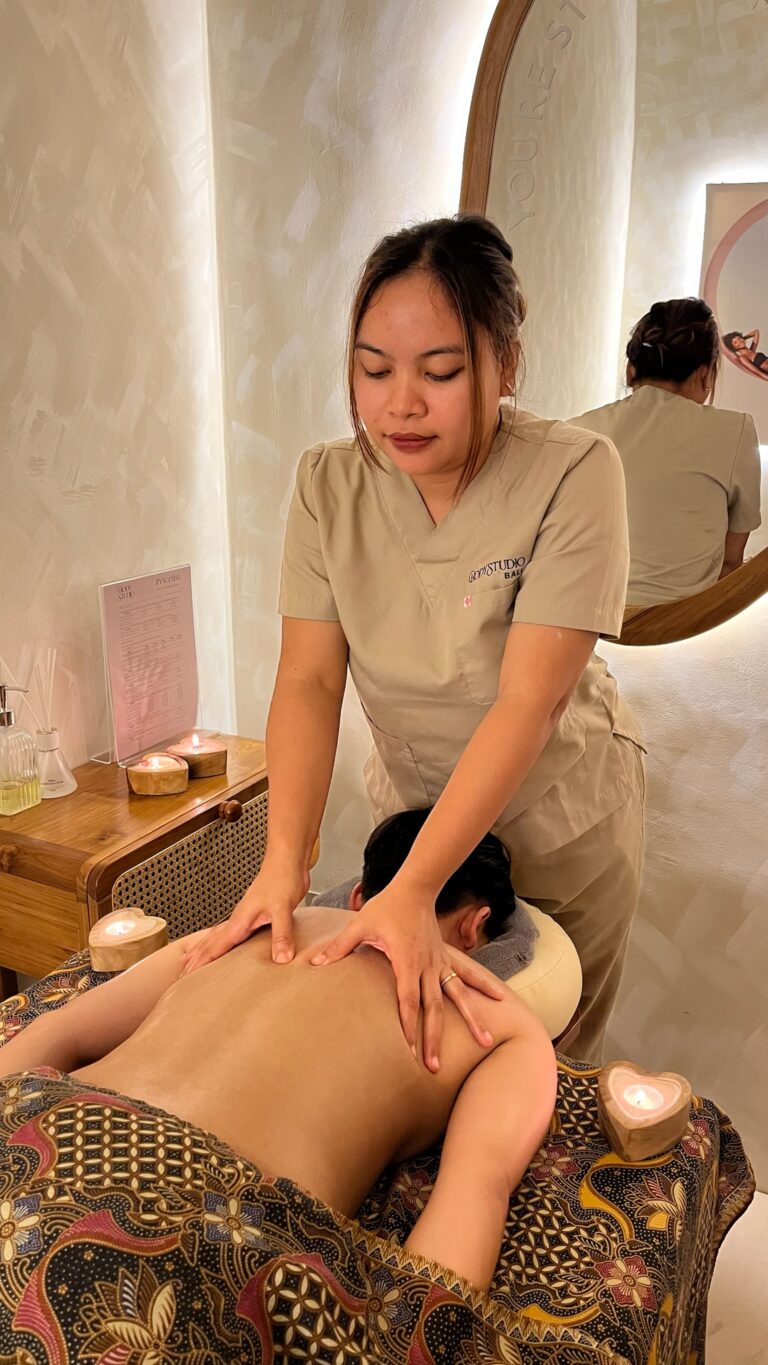
The scalp massage benefits extend beyond the immediate reduction of tension. By stimulating blood flow to the hair follicles and increasing the mobility of the scalp over the cranium, one encourages a state of parasympathetic dominance—the “rest and digest” mode that is often elusive in the high-energy, high-humidity environment of a tropical island. The cumulative effect of these sessions is a more regulated autonomic state, which makes the inevitable daily stressors of island life—such as traffic or fluctuating temperatures—feel less physically taxing. When the scalp is flexible and the muscles of the neck are not held in a state of sympathetic contraction, the body is better equipped to regulate its internal response to the outer climate.
Consistency is key for those who find their physiology particularly reactive to the tropics. Incorporating a targeted head massage into a regular wellness routine provides a mechanical reset that the body cannot easily achieve on its own during a standard day. By focusing on the interplay between the lymphatic system, muscle tension, and the nervous system, these rituals offer a practical, science-backed approach to maintaining physical equilibrium amidst the humidity.