


Living in Bali often means embracing a lifestyle where we are acutely aware of our bodies—whether it’s the shift in how clothes fit after a few weeks of local cuisine or the way our skin reacts to the high humidity and intense UV exposure. In the world of body contouring bali, there is often a chasm between the marketing promises of “instant transformation” and the physiological reality of how fat tissue responds to external energy. Among the most discussed technologies is 80kHz ultrasonic cavitation, a method that frequently appears in discussions about non-invasive slimming.
To understand whether this technology works, one must first distinguish between weight loss and body contouring. The American Society of Plastic Surgeons has noted that non-surgical fat reduction is not a weight-loss tool; it is intended for individuals who are already near their target body weight but have localized areas of fat that remain resistant to consistent exercise and diet. Like cryolipolysis, which offers a 10-25% reduction in fat volume per treated area, cavitation is designed to refine a silhouette rather than alter a person’s overall mass.
The mechanics of ultrasonic energy
The science behind cavitation is grounded in how ultrasound waves interact with adipose tissue. Research published in Plastic and Reconstructive Surgery – Global Open demonstrates that low-frequency ultrasound does not “shatter” fat cells. Instead, the process creates focal micropores in the thin peripheral cytoplasmic rim of the adipocyte. Through these small openings—typically measuring between 0.5 and 1.5 micrometres—triglyceride droplets leak into the surrounding interstitial space. Crucially, the cell itself often survives this process, meaning the fat content is released rather than destroyed in the manner of surgical liposuction.
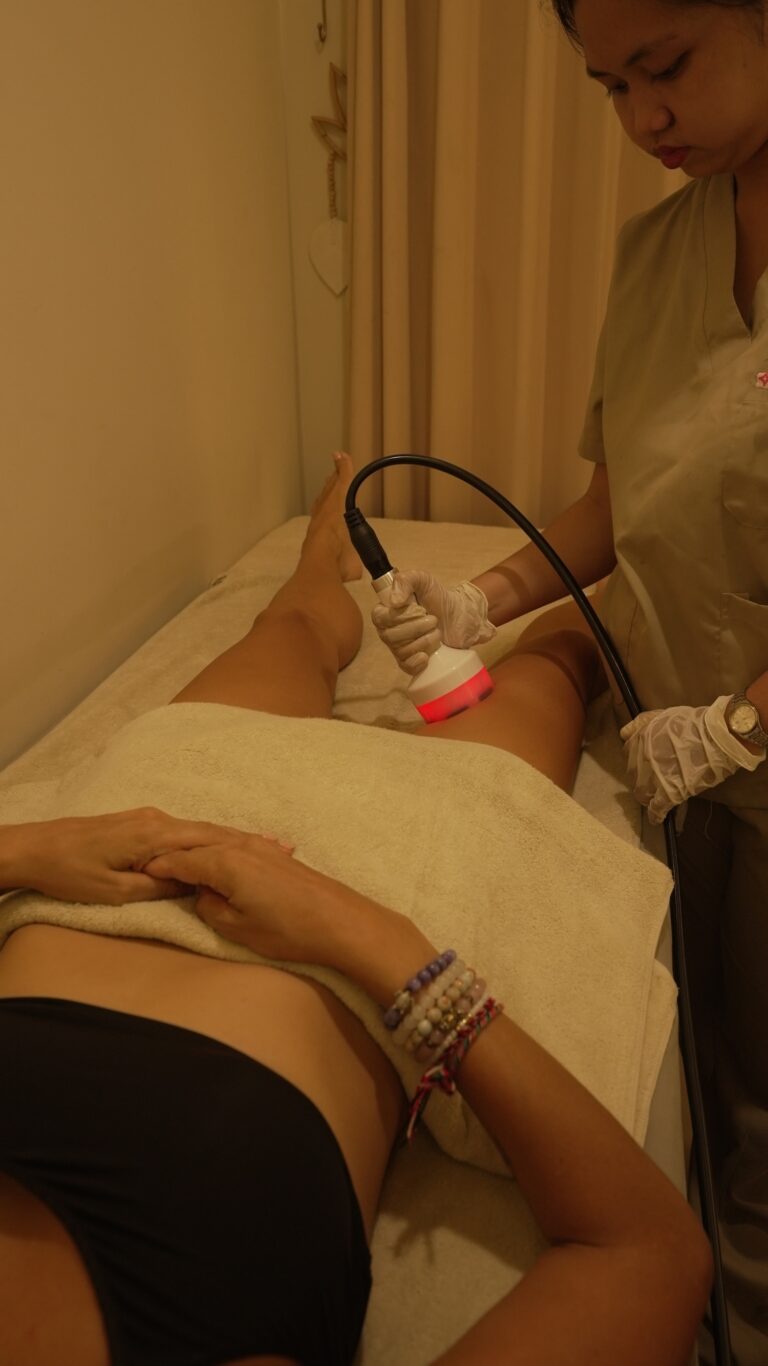
Once these lipids are released into the interstitium, they enter the lymphatic and circulatory systems. A study in Plastic and Aesthetic Research tracked blood lipid profiles following ultrasonic treatment, confirming that non-esterified fatty acids rise significantly within 10 minutes of application. Because this liberated fat must be processed by the body, the necessity of post-treatment lymphatic drainage becomes clear. Without assistance to the lymphatic system, the body may be slower to clear these fatty acids, which is why professionals emphasize pairing cavitation with manual drainage techniques to facilitate movement.
While the mechanism is scientifically documented, patients should be wary of any treatment presented as a miracle cure. Evidence from PLOS ONE indicates that cavitation is most effective when used as an adjunct to an active lifestyle. In a randomized controlled trial, participants who combined 40 kHz pulsed cavitation with aerobic exercise saw better outcomes for waist circumference than those who exercised alone. This confirms the notion that ultrasonic fat reduction acts as a support system for stubborn zones, such as the waist or belly, rather than a replacement for metabolic health.
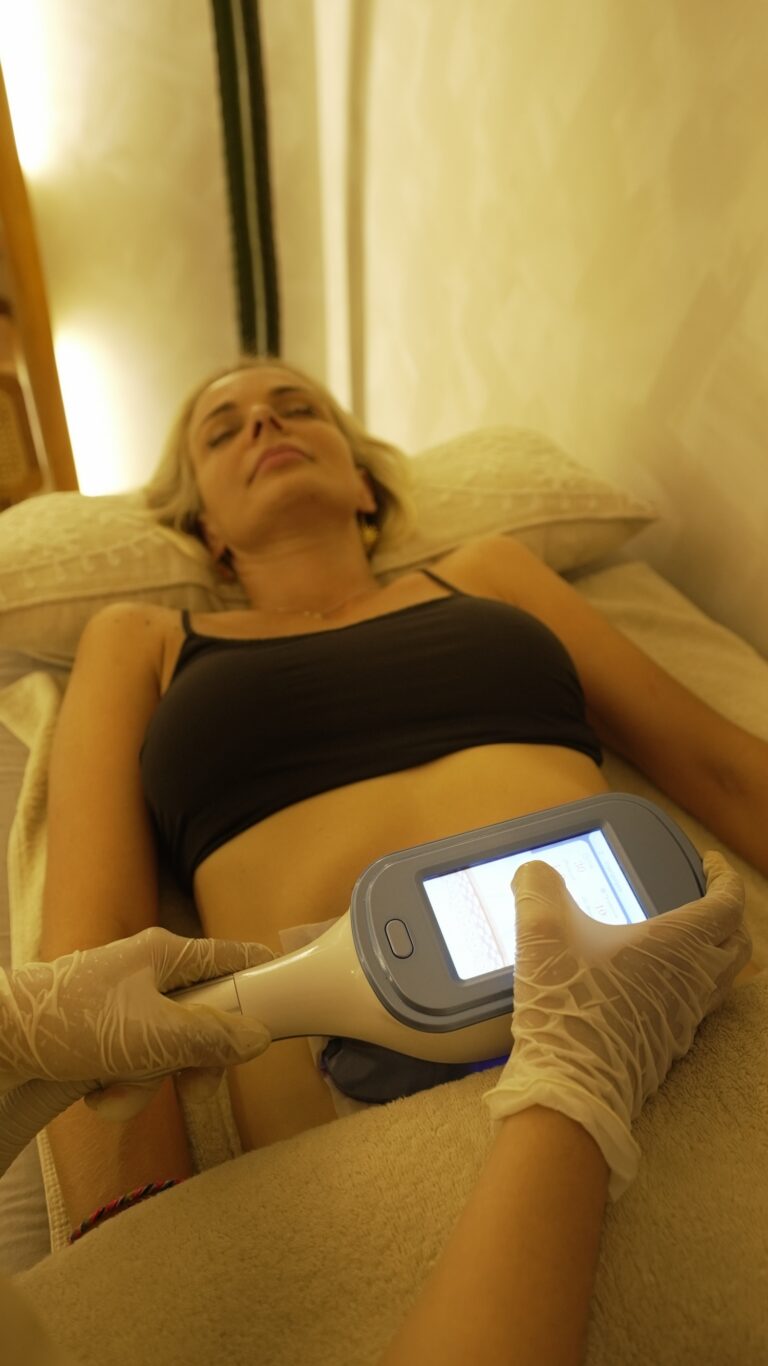
Safety remains a priority, particularly for those with specific health profiles. Clinical texts warn that individuals with certain neurological conditions, such as multiple sclerosis, should exercise extreme caution with any treatment that induces a rise in core body temperature, as this can trigger the Uhthoff phenomenon. Always disclose your full medical history when considering aesthetic interventions, even non-invasive ones.
At Body Studio Bali, the 80kHz cavitation protocol is structured into a four-stage process that lasts between 45 and 60 minutes per session. The sequence begins with the targeted application of ultrasound energy to slim stubborn fat areas, followed by sculpting techniques to shape the silhouette. The third stage focuses on smoothing skin texture, and the process concludes with a drainage step, which is vital for the reasons mentioned above. This methodical approach ensures that the treatment is treated as a professional procedure rather than a casual spa indulgence, aiming for a refined body appearance through consistent, intentional application.
When considering cavitation bali as part of your wellness routine, remember that results depend on patience and realistic expectations. The goal is the refined contouring of specific areas—such as the abdomen—rather than a drastic change in body mass. By respecting the physiological limits of how the body handles released fatty acids and maintaining an active lifestyle, the technology can serve as a helpful tool in your personal maintenance, providing a smoother, more sculpted appearance that is harder to achieve through exercise alone.