

The sensation of heavy, swollen limbs after a ten-hour flight is not merely a subjective feeling of fatigue; it is a physiological consequence of prolonged immobility. When we sit for extended periods, the natural pumping action of our calf muscles—which typically assists the venous and lymphatic return—stagnates. This leads to an accumulation of interstitial fluid in the lower extremities. While many travelers seek out a generic hotel massage to address this, the reality is that not all interventions are physiologically equivalent. To effectively manage post-travel recovery, one requires a practitioner who understands that massage is, at its core, an application of biomechanical force designed to assist the body’s own regulatory systems.
The Physiology of Mechanical Tissue Deformation
The efficacy of manual therapy rests on the fact that mechanical deformation of tissue has a direct impact on our internal transport systems. Research in cellular biology has established that the mechanobiological oscillators within our lymphatic vessels are sensitive to physical cues. When pressure is applied, it creates a stretch on the vessel wall that triggers calcium-mediated contraction. Simultaneously, the resulting flow creates shear stress, which releases nitric oxide to relax the vessel, facilitating a more efficient transport of lymph fluid. This is why a skilled therapist focusing on rhythmic, directional pressure provides a tangible benefit, whereas a light, aimless rubdown often fails to move anything but the surface-level skin.
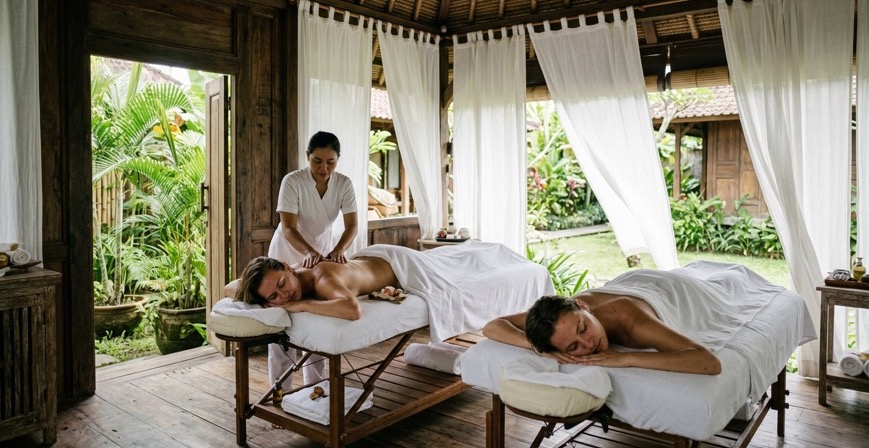
For those looking for a high-quality couples massage in Bali, the distinction lies in the individualization of this pressure. Whether you are dealing with the stiffness of a long-haul flight or the specific muscle micro-trauma associated with surf sessions, the treatment must be tailored to the tissue’s current state. A deep tissue approach may be necessary for dense, contracted muscle fibers, whereas a targeted lymphatic drainage technique is required to address generalized edema or the feeling of heaviness. When these sessions are performed simultaneously in a shared environment, it allows both individuals to receive focused, one-on-one attention while maintaining the continuity of a shared wellness experience.
Manual Technique Versus Machine Intervention
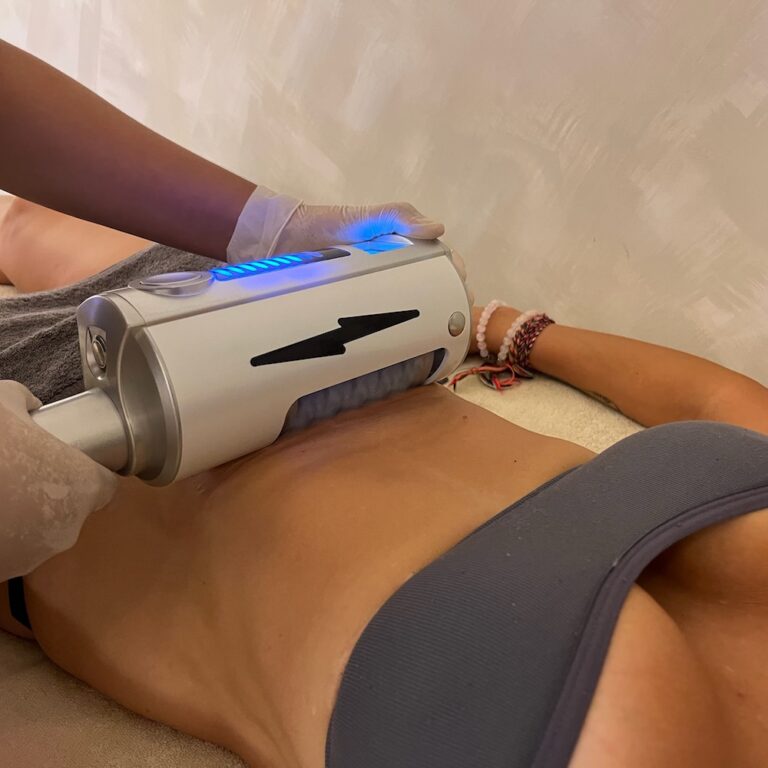
In the landscape of modern aesthetics, there is an ongoing debate regarding the superiority of manual therapists versus mechanical devices. While machines like those derived from the original LPG technology—first developed to treat scar and burn tissue—offer consistent, high-frequency mechanical stimulation, human touch remains difficult to replicate. A prospective randomized crossover trial involving patients with lymphedema found that while the objective volume reduction achieved by manual therapy and mechanical devices was statistically indistinguishable, patients overwhelmingly preferred the human experience, reporting higher levels of satisfaction and comfort.
This preference is particularly relevant for those seeking post-travel recovery in Bali. The subjective experience of a massage, which includes the regulation of the autonomic nervous system, is a critical component of healing. By choosing a luxury spa Uluwatu facility that prioritizes technical proficiency over mere ambiance, travelers can ensure that their time on the table is spent effectively. You are essentially looking for an environment that understands the tradition of manual lymphatic drainage, a technique formalised in 1936, which requires a deep understanding of fluid pathways rather than just the application of scented oils.
Structuring the Shared Recovery Session
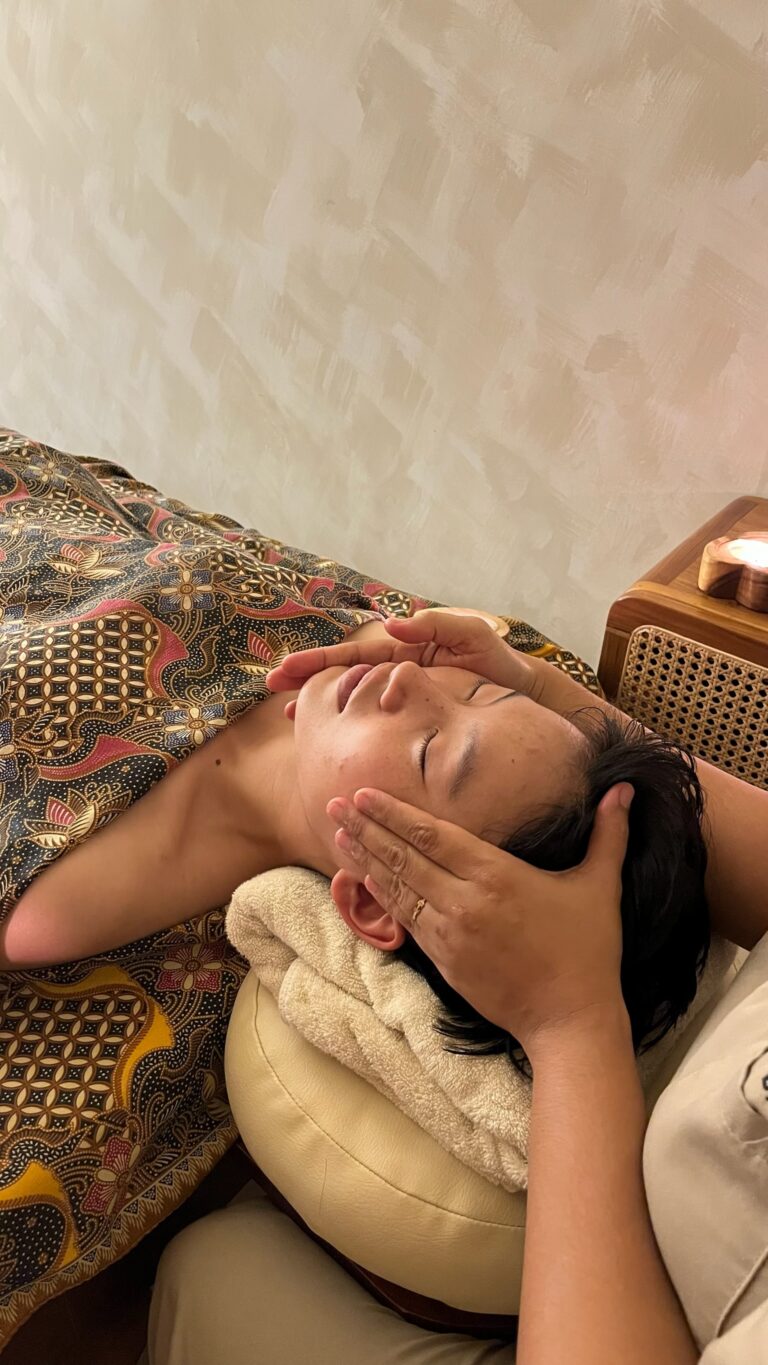
The most effective sessions are those that remove the friction of waiting and the inconsistency of generic service. At Body Studio Bali, the setup for a couples session involves two therapists working simultaneously in a single, private room. This structure allows each person to select a treatment that suits their specific needs—whether that is a 90-minute Balinese body massage for general relaxation, a 60-minute deep tissue session for localized recovery, or a 60-minute lymphatic drainage massage to combat post-flight puffiness. Because both massages start and finish at the same time, the experience becomes a unified recovery period rather than a fragmented chore.
A typical wellness retreat Bali traveler often arrives with a body under significant stress. By opting for a professional, clinical approach, you move away from the brochure-heavy spa cliches and toward a model of restorative maintenance. The goal is to address the systemic impact of transit and activity through precise, intentional touch. When you have two practitioners working side-by-side, they are able to adjust their depth and speed based on real-time feedback from your body, ensuring that the stimulation remains within the therapeutic range rather than causing unnecessary irritation. Ultimately, the quality of your recovery is determined by the clinician’s ability to align their mechanical input with your body’s immediate physiological requirements.