

Walking through the streets of Uluwatu, it is easy to be overwhelmed by the sheer variety of wellness claims plastered on storefronts. From traditional Balinese massage to high-tech sculpting, the menu of options for body maintenance is vast. However, for those navigating the landscape of non-invasive body contouring Bali, the term “FDA-cleared” often appears as a shorthand for quality. It is a label that carries weight, but it is frequently misunderstood by both practitioners and the public. Understanding what this designation actually signifies—and what it strictly does not—is essential for making informed decisions about your body.
FDA-cleared body contouring: What that label actually means
Decoding the 510(k) Designation
When a manufacturer labels a device as “FDA-cleared,” they are generally referring to the 510(k) process. This is not a drug “approval,” which is a distinct and much more rigorous path reserved for pharmaceuticals. Instead, 510(k) clearance acts as a regulatory checkpoint where the manufacturer must demonstrate that their device is “substantially equivalent” to a product already legally on the market. For the consumer, this means the FDA has verified the manufacturer’s clinical safety data and ensured the technology is being produced according to strict quality system regulations.
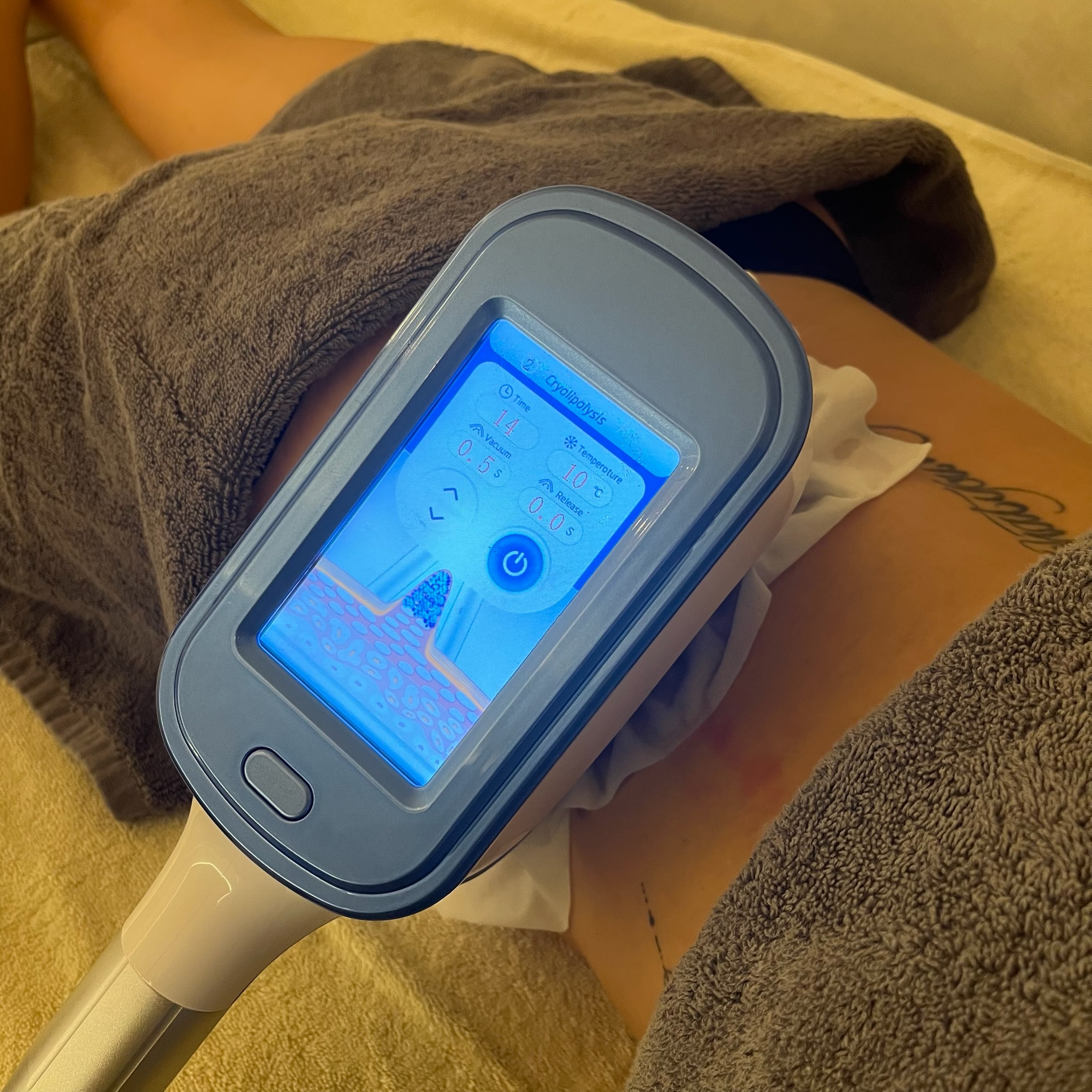
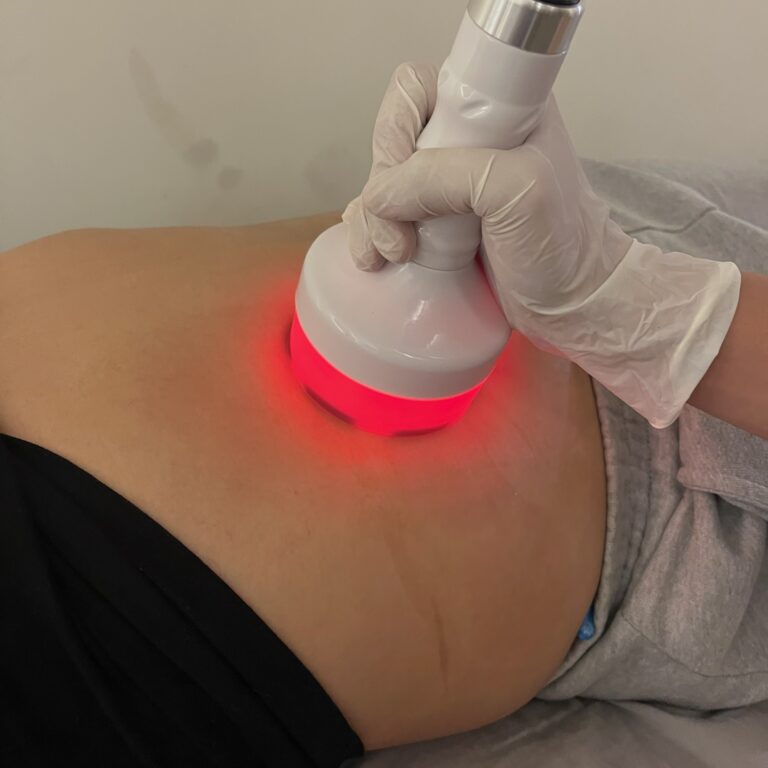
At Body Studio Bali, our technologies fall under specific classification codes that dictate their intended use. Kryolipolyse devices, regulated under 21 CFR 878.4340, are designed to selectively reduce fat layers through controlled cooling. Radiofrequency devices for firming and lifting are categorized under 21 CFR 878.4400, while mechanical massage systems like LPG Endermologie operate under 21 CFR 878.4810. While this clearance confirms that these machines have been tested for safety and that the manufacturer has proven the device performs as claimed, it does not guarantee identical results across different clinics. The efficacy of the treatment remains tethered to the machine’s specific design and, crucially, the diagnostic accuracy of the technician performing the procedure.
The Physiology of Contouring
The science behind these devices is rooted in tissue physics, not magic. Cryolipolysis, for instance, operates on the principle that adipocytes—fat cells—are more sensitive to cold than skin, nerve, or muscle. When held at a precise, controlled temperature, these cells undergo apoptosis, or programmed cell death, and are subsequently cleared by the body’s lymphatic and metabolic pathways. Research indicates that this is a slow, inflammatory process rather than an immediate flush of lipids; studies published in the Aesthetic Surgery Journal highlight that the result appears over months, not days. While a 20–25% reduction in fat thickness is often cited in peer-reviewed literature, this refers to a change in the volume of a localized, pinchable pocket of tissue. As a Harvard Health publication by the technology’s co-inventor clarifies, this is fundamentally a contouring procedure, not a weight-loss tool.
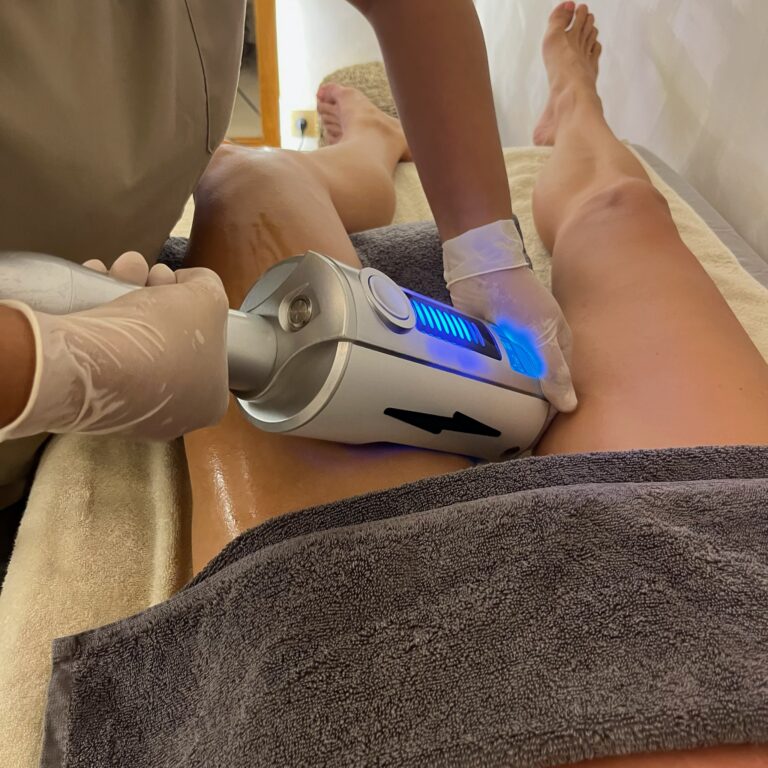
Mechanical massage and radiofrequency technologies serve different, often complementary, roles. Peer-reviewed literature suggests that LPG Endermologie acts by stimulating lymphatic drainage and addressing impaired microcirculation, which can temporarily improve the appearance of the skin surface. Meanwhile, clinical reviews underscore that while these devices are effective for specific aesthetic concerns, they do not touch visceral fat. Expecting these machines to alter metabolic health or systemic weight is a common point of disappointment; they are designed to refine the silhouette of a person who is already near their goal weight.
Safety, Accountability, and Realistic Expectations
The reliance on the FDA-cleared label also provides a framework for understanding potential risks. Even with highly safe technologies, there are rare complications. Paradoxical Adipose Hyperplasia, or PAH, is the signature serious adverse event associated with cryolipolysis, where the treated area expands rather than shrinks. While the largest multicenter evaluations place the incidence of PAH at a low 0.43% of patients, it is a risk that underscores the necessity of professional assessment. A reputable studio will prioritize the consultation process, turning away candidates who are not suitable for the technology, such as those with visceral fat deposits or skin laxity that requires surgical intervention.
At Body Studio Bali, our approach is to align these technical standards with clear communication. We utilize a range of equipment that meets these rigorous international benchmarks, including specific cryolipolysis fat freezing, RF lifting for face, and LPG Endermologie systems. The sequence of these treatments—often moving from mechanical stimulation to targeted fat reduction—is designed to optimize the body’s receptivity, but it is never a substitute for the biological time required for the body to process cellular changes. The most important tool in any clinic is not the machine itself, but the honesty to tell a client when a treatment will not yield the desired result. Knowing that a device is FDA-cleared provides the peace of mind that the technology is safe and well-studied, but the true measure of success is found in the intersection of biological reality and realistic, measured expectations.