
The humidity in Bali does more than just ruin a blowout; for many expats and long-term visitors, the climate seems to trigger a persistent, heavy sensation in the legs and abdomen. Between the fluctuating hydration levels necessitated by the tropical heat and the inflammatory response often caused by travel or dietary changes, the lymphatic system—the body’s waste-management network—can struggle to maintain fluid balance. While a traditional massage is a staple of island life, those seeking to address fluid retention with more precision often turn to mechanical solutions like LPG Endermologie.
The Physics of Mechanical Tissue Stimulation
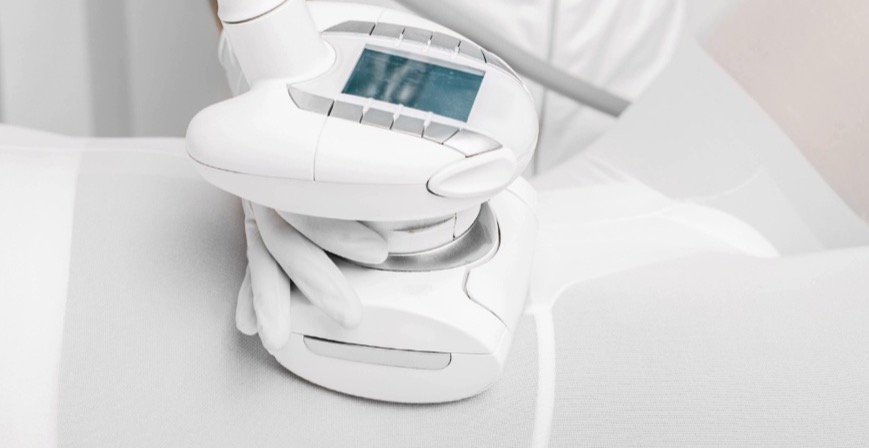
At its core, this treatment is an exercise in applied physics. Developed by Louis-Paul Guitay in 1986, the technology was originally designed to rehabilitate burn scars and damaged tissue by manipulating the skin’s surface to influence underlying layers as noted in the manufacturer’s history. It functions through a combination of motorized rollers and calibrated suction, which act upon the connective tissue. From a physiological perspective, this mechanical deformation is not merely superficial. Research indicates that mechanical stretching of the lymphatic vessel wall triggers a calcium-mediated contraction, while the resulting shear stress promotes the release of nitric oxide, which helps relax the vessel and support flow according to findings published in PNAS.
By stimulating these tissue-level responses, the treatment encourages lymphatic drainage, which is the primary reason it feels effective for individuals struggling with the “heavy leg” syndrome common in humid climates. Unlike manual massage, which is subject to the varying pressure of a therapist’s hands, a mechanical device provides consistent, repeatable stimulation across the entire treated area. While one peer-reviewed crossover trial noted that patients often find manual therapy more pleasant, it also confirmed that objective limb-volume reduction was statistically indistinguishable between hands and machines as reported in the Journal of Clinical Medicine.
Managing Expectations for Body Contouring
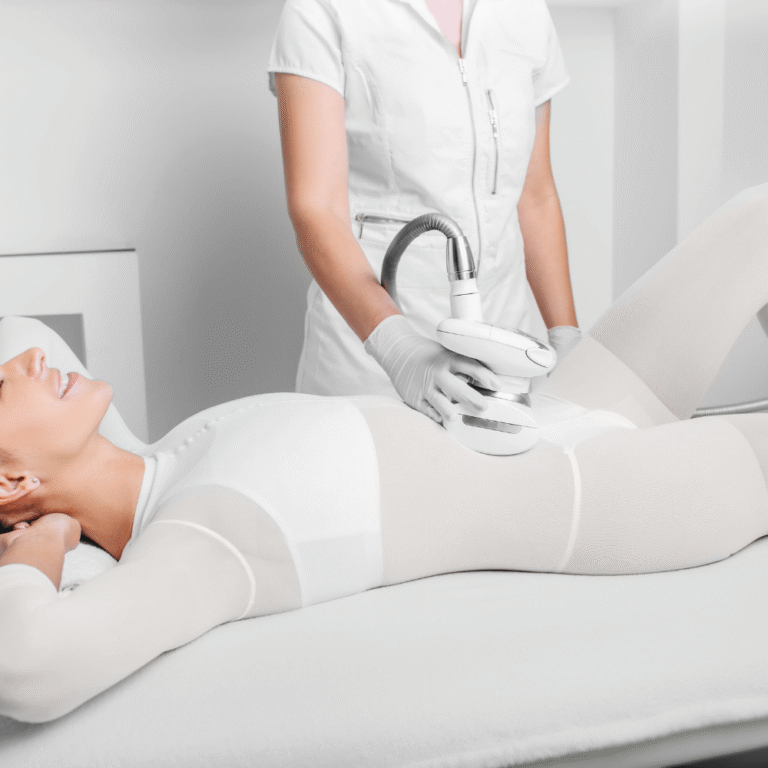
When discussions move from drainage to aesthetics, honesty is essential. While the literature reports that LPG Endermologie can aid in redistributing adipocytes and improving microcirculation, the clinical evidence for cellulite reduction is largely observational in current aesthetic literature. It is not, and should not be marketed as, a substitute for surgery or weight-loss intervention. The technology excels at body contouring support and improving the appearance of skin texture, but it functions best when treated as an adjunct to a healthy lifestyle rather than a shortcut.
Consistency is the deciding factor in whether a client sees a tangible result. At Body Studio Bali, a standard session lasts 55 minutes, focusing on a structured protocol designed to target fluid stagnation and tissue tone. Because the lymphatic system requires sustained encouragement to function optimally in heat-stressed bodies, a single session offers a temporary, albeit satisfying, reduction in bloating. However, for those looking to see sustained improvements in skin firming and surface smoothness, a series of five to twelve sessions is typically the requirement to see the tissue-remodeling effects of consistent mechanical stimulation.
How to Approach a Treatment Series
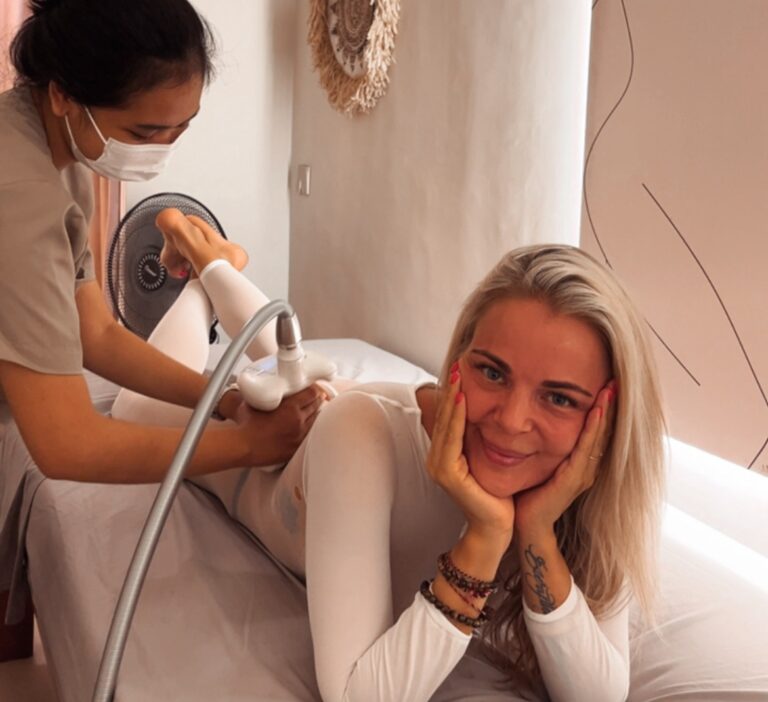
For those living in or visiting Bali, integrating this into a routine usually involves a frequency of two to three sessions per week during the initial phase. This intensity is necessary to overcome the body’s tendency to revert to baseline fluid retention in tropical environments. Once the desired level of drainage and texture improvement is achieved, moving to a maintenance schedule of one session per week—or even bi-weekly—is usually sufficient to preserve the results.
The sequence of the treatment at the studio typically moves through a deliberate progression: first, a focus on the mechanical mobilization of tissue to wake up circulation, followed by targeted drainage techniques, and finally, a focus on firming support. This systematic approach ensures that fluid is moved effectively before the skin surface is smoothed. Whether you are using this as a reset after a long-haul flight or as a consistent part of your wellness strategy, understanding that this is a mechanical process of support rather than a medical transformation allows for a much more balanced perspective on what these technologies can—and cannot—achieve for your body.