

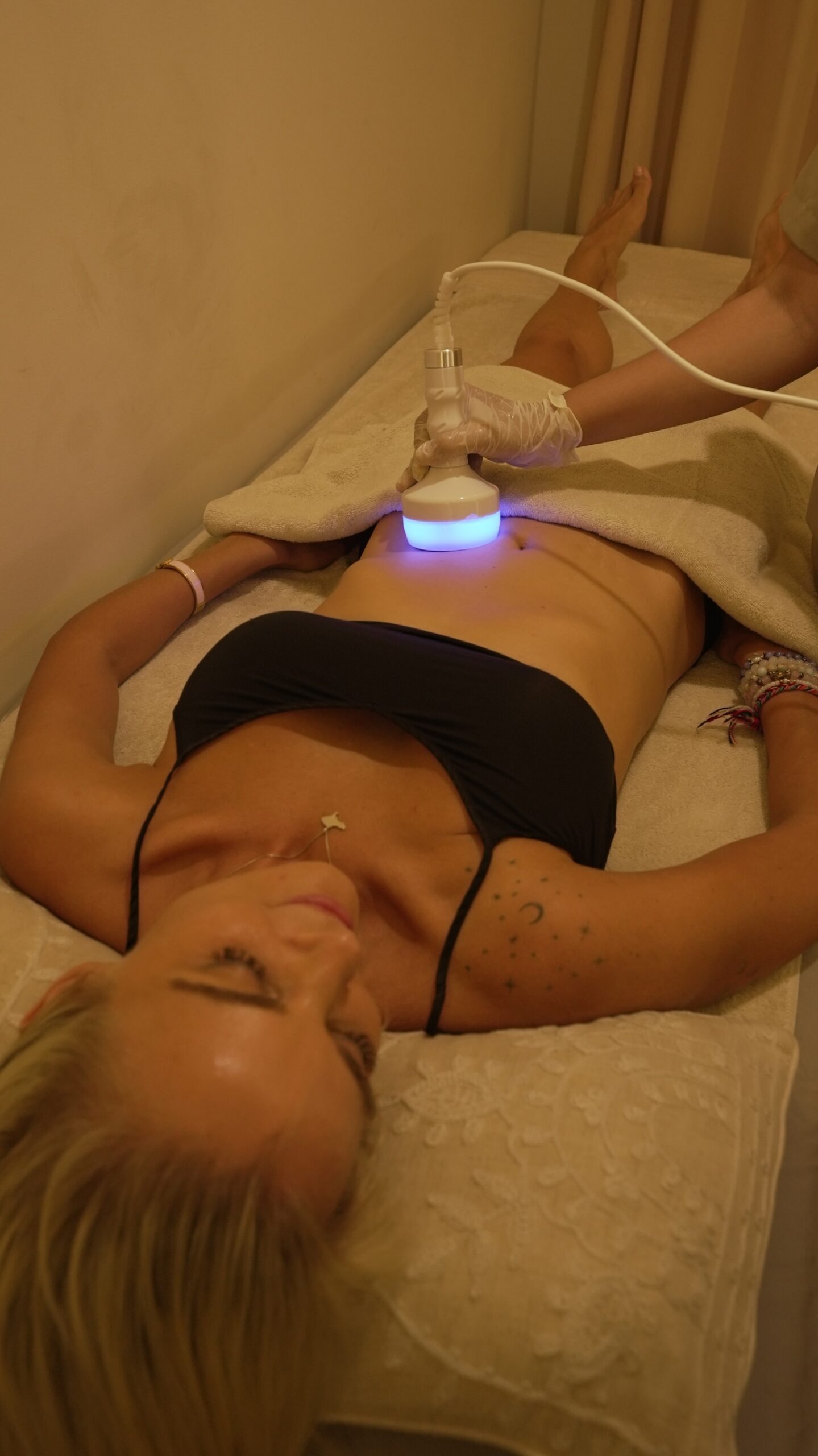
Inquiries about body contouring safety for those living with a neurological condition are a regular part of our consultations. For many, the desire to manage stubborn pockets of fat feels at odds with the caution required when navigating a chronic illness. When clients with multiple sclerosis (MS) reach out to us, they often ask specifically about the potential risks of technologies like cryolipolysis und cavitation. Because these treatments interact with the body’s thermal regulation and sensory systems, the conversation requires a foundation in physiology rather than marketing.
Thermal Regulation and Sensory Feedback
The primary consideration for anyone with MS undergoing aesthetic treatments is the Uhthoff’s phenomenon. This is a well-documented clinical reality where even a minor increase in core body temperature can lead to a temporary worsening of neurological symptoms. While this effect is typically transient and resolves once the heat stress is removed, it serves as a critical boundary for any wellness regimen. Treatments that put heat into tissue need care rather than a standard protocol, and in this package that means the ultrasound cavitation step, since ultrasound deposits part of its energy as warmth. The response is reported in roughly 60% to 80% of people with MS.
Two things deserve saying plainly, because the picture is not one-sided. Cold itself is not the enemy: randomised trials of cooling in MS report improvements in fatigue, spasticity, weakness, balance and gait, so the concern with cryolipolysis was never the temperature in principle. And there is one absolute limit that has nothing to do with either heat or cold — if you have an implanted device, such as an intrathecal baclofen pump or a spinal cord stimulator, both of which are used in MS for spasticity, ultrasound must not be applied over it at all. Tell your therapist before anything is switched on.
Beyond thermal sensitivity, impaired skin sensation—a common symptom of MS—presents a practical safety challenge during cryolipolysis. In a standard fat freezing procedure, the client’s own physical sensation serves as the primary safeguard against thermal injury. If a client has reduced sensitivity in the treatment area, their ability to provide the feedback necessary to ensure the skin remains protected from excessive cold is compromised. For this reason, the decision to undergo body contouring with a neurological condition is fundamentally a medical one. Any treatment plan should be vetted by a neurologist who understands the patient’s specific baseline, sensory profile, and history of heat sensitivity.
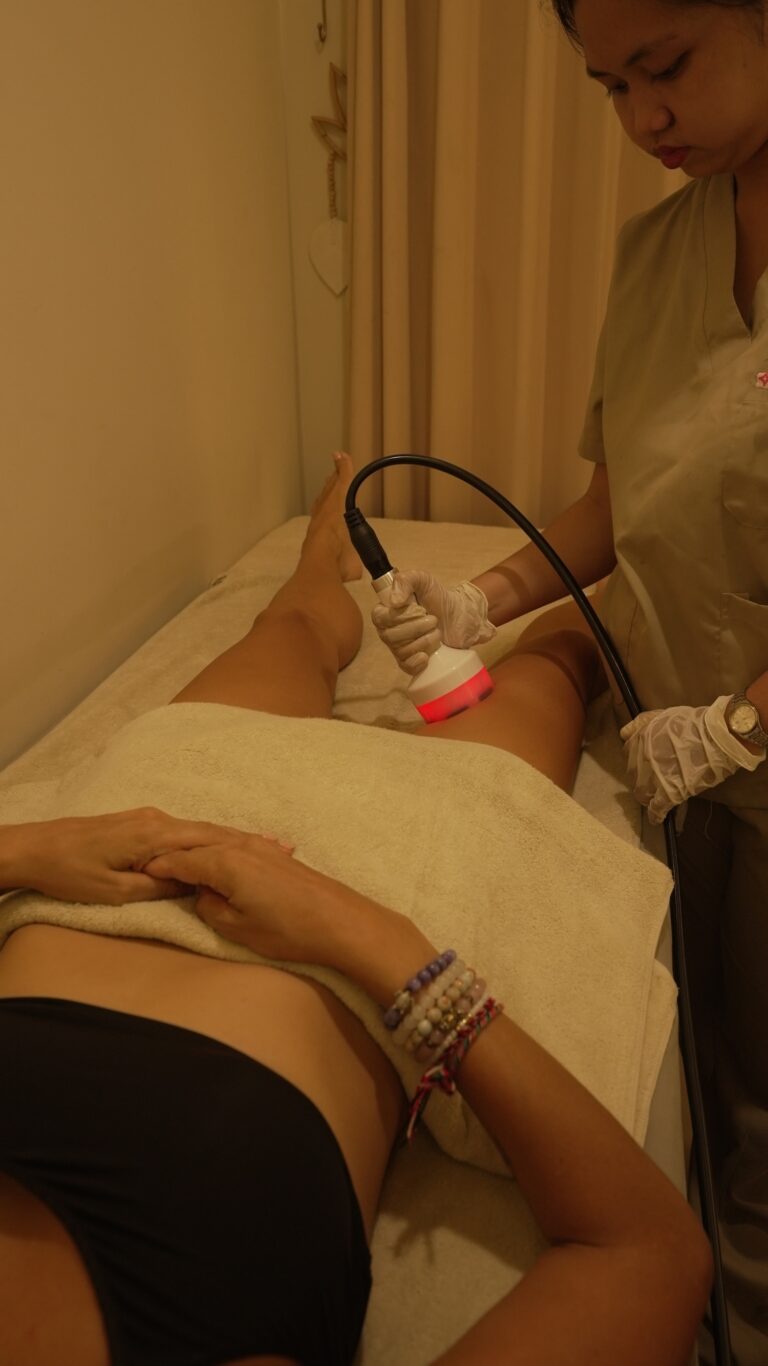
It is also worth noting that fat freezing and cavitation are not magic bullets, nor are they a replacement for healthy lifestyle habits. Research suggests that cryolipolysis typically achieves a fat layer reduction of about 10–25% per area, with the most significant changes appearing over two to three months as the body naturally processes the targeted adipocytes, as noted by clinical reviews. These treatments are intended for contouring near-ideal body weight, not for systemic weight loss, and they offer no health benefits regarding visceral fat or metabolic function.
When considering cryolipolysis and multiple sclerosis, one must also account for the fatigue that often accompanies MS. Aesthetic sessions can be long, and the accumulation of environmental stressors—including the length of time spent in a treatment room—can be taxing for someone managing chronic energy fluctuations. If the goal is body sculpting, prioritizing a session that is paced appropriately for the individual’s energy levels is essential.
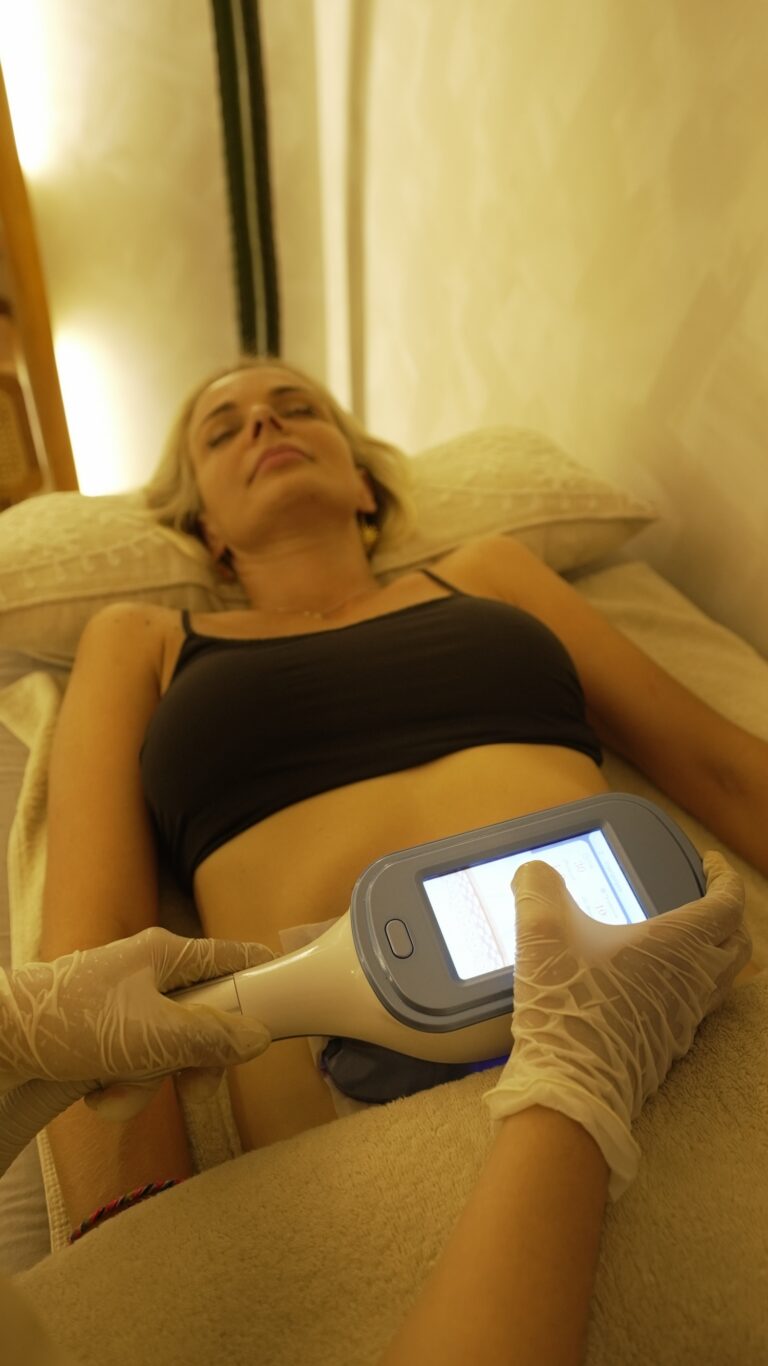
At Body Studio Bali, our approach to the Express-Slimming-Paket is structured to prioritize transparency. This 4-hour, 2,599,000 IDR signature experience begins with a dedicated consultation and a weight and measurement check (Steps 01-03) to ensure a clear understanding of the client’s goals and health context. The process moves through a sequence: cold lipo laser to target fat metabolism, ultrasound cavitation for stubborn cells, cryolipolysis for permanent reduction in two areas, and finally an LPG massage for lymphatic drainage. Each stage is performed with professional oversight, but the sequence itself is designed for physiological efficiency rather than an immediate “flush.” The literature confirms that fat cells are not eliminated through an immediate drainage process but through a slow, natural inflammatory response; therefore, the drainage serves to support the comfort and flow of the body rather than to accelerate a process that must unfold over weeks, as evidenced by studies on multiple same-day cryolipolysis treatments.
Because cryolipolysis relies on the selective vulnerability of fat cells to temperature, and cavitation utilizes ultrasonic waves to disrupt cellular integrity, these technologies are tools to be used with precision. If you are living with a chronic illness, the most responsible path forward is to start with your neurologist. Their perspective on your specific clinical picture—particularly concerning how your body handles temperature changes or sensory inputs—is the only variable that dictates whether a treatment is appropriate for you. We remain committed to adapting our protocols to align with that medical guidance, ensuring that any session is a well-considered addition to your wellness journey rather than a compromise of your health.