

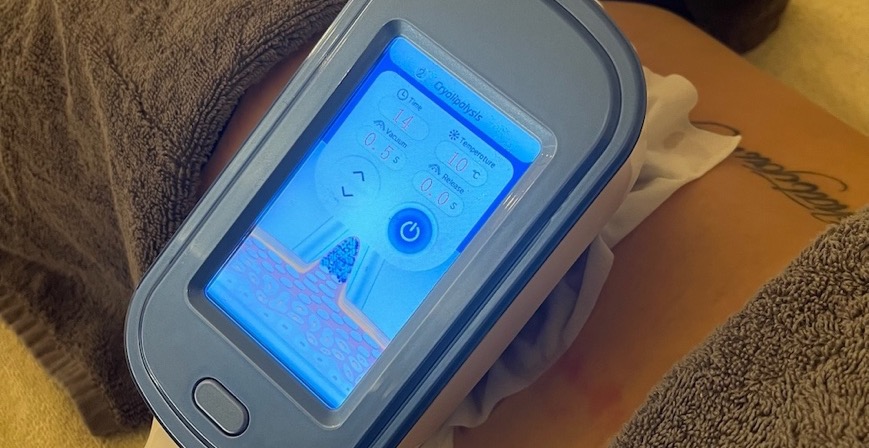
Living in Bali often means trading heavy winter layers for swimwear, making body confidence a frequent topic of conversation over post-surf coconuts or morning coffees in Canggu. When those stubborn pockets of fat refuse to budge despite a clean diet and consistent movement, many women turn to non invasive fat reduction. Two of the most common paths are cryolipolysis—popularly known as fat freezing—and 80 kHz ultrasound cavitation. While both are marketed under the umbrella of body contouring, they function through entirely different physiological mechanisms.
The Physics of Freezing Versus Cavitation
Cryolipolysis is predicated on the selective sensitivity of fat cells to cold. As identified in the founding primary research, controlled surface cooling triggers a localized inflammatory response, leading to apoptosis—a natural process of programmed cell death—within the adipose tissue. Once the cells are damaged, the body’s immune system, specifically macrophages, gradually cleans up the debris over several months. It is a slow, biological transition, not an immediate drain. The literature notes that while a single treatment can yield about 20% to 25% fat reduction in the treated area, the results are cumulative and typically take up to three months to fully manifest.
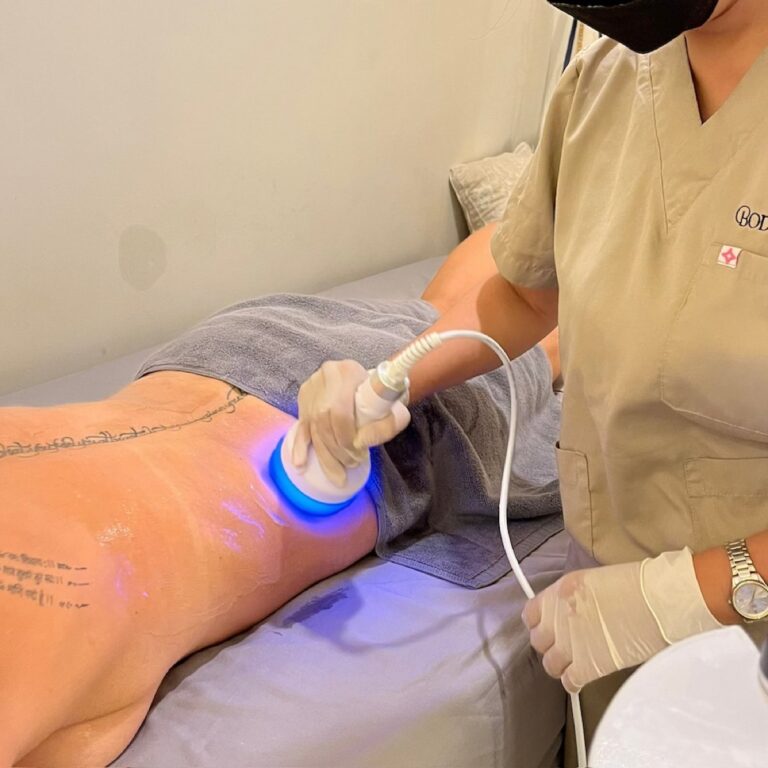
In contrast, 80 kHz ultrasonic cavitation works by using sound waves to create microscopic bubbles within the interstitial fluid surrounding fat cells. This phenomenon, known as stable cavitation, exerts mechanical pressure on the adipocytes, potentially disrupting their membranes. Unlike freezing, which triggers a cell-death signaling pathway, cavitation is generally viewed as a method to mobilize the contents of fat cells. Because the mechanism relies on the mechanical vibration of tissue, it is often performed in a series of sessions rather than a singular event. It is important to approach both methods with the understanding that they are tools for refining body shape, not for weight loss; the Harvard Medical School experts consistently emphasize that these treatments do not address visceral fat and offer no metabolic health benefits akin to weight loss achieved through diet and exercise.
Managing Expectations and Timelines
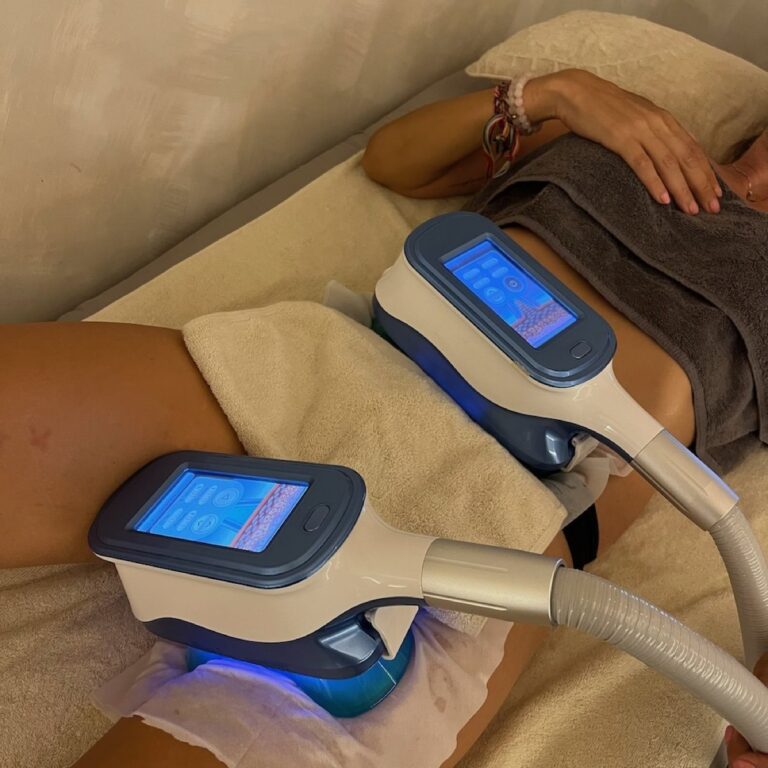
A frequent point of confusion in body contouring bali clinics is the idea that lymphatic drainage massage is required immediately after a fat-freezing session to “flush out” the fat. The evidence suggests otherwise. The clearance of fat cells following cryolipolysis is a protracted process of local inflammation and cellular digestion, not a sudden release of lipids that can be swept away in an afternoon. Direct measurements have shown that immediate post-treatment massage does not significantly alter serum lipid levels or liver function, as the body’s natural disposal process is naturally slow. If you choose fat freezing, you are committing to a timeline of months, not days.
Cavitation, however, is often experienced as a series of sessions spaced closely together. Because the process is less about apoptosis and more about the mechanical disruption of fat cell integrity, consistency is the primary driver of outcome. It is a common misconception that one can “melt” away significant volume in a single hour. Whether you are considering cavitation vs cryolipolysis, the ideal candidate is someone who is already close to their goal weight and looking for assistance with localized areas that appear resistant to standard protocols.
Safety Considerations and Potential Risks
Safety is the primary variable that separates reputable studios from the rest. With cryolipolysis, the most significant (albeit rare) concern is paradoxical adipose hyperplasia (PAH), where the treated area sees an increase in fat volume rather than a reduction. Recent large-scale clinical reviews indicate an incidence rate of approximately 0.43% of patients, a figure higher than some earlier industry estimates. This reinforces the necessity of choosing practitioners who understand the anatomical limitations of the applicators.
For those living with specific neurological conditions like multiple sclerosis, heat-based treatments or those that raise core body temperature must be approached with extreme caution. The Uhthoff phenomenon describes a temporary worsening of symptoms brought on by heat stress, which is a clinical reality that any responsible wellness provider must screen for before starting treatments that utilize high-frequency ultrasound or heat-inducing radio-frequency. At Body Studio Bali, the focus remains on prioritizing this physiological reality over the desire for a quick result. These treatments are sophisticated, but they operate within the strict boundaries of human biology, and their effectiveness is limited by the patient’s starting point and their body’s individual response to these mechanical and thermal inputs.