

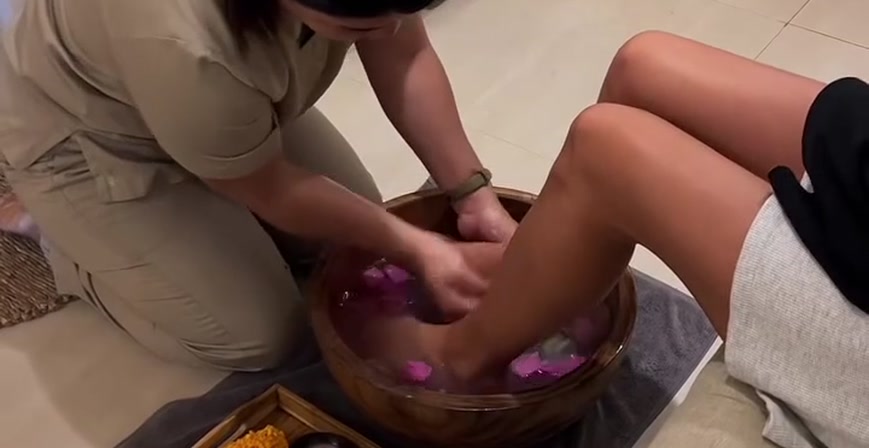
The sensation of heavy, tight skin around your lower legs after a long-haul flight is a common physiological response to a significant disruption in your daily movement patterns. Under normal conditions, your circulatory system relies on the calf-muscle pump; each step you take compresses the deep veins, pushing blood and interstitial fluid upward against gravity. When you sit in an aircraft seat for ten or twelve hours, this pump effectively switches off. Simultaneously, cabin pressure—often equivalent to an altitude of roughly 2,000 meters—and the notoriously low humidity levels of pressurized air create an environment that encourages fluid transudation into the surrounding tissues.
How to reduce water retention after a long flight
Managing post-flight swelling is largely a matter of encouraging natural circulation. While the effect sizes of self-care interventions are generally modest and the condition typically resolves on its own within 24 to 48 hours as your movement patterns normalize, certain habits may help. Staying hydrated is essential, though it is often undermined by salty airplane meals and alcohol, both of which can exacerbate fluid balance issues. To mitigate the pooling of blood, try to walk the cabin aisle periodically, perform seated ankle circles to engage the lower leg muscles, and opt for loose-fitting footwear to avoid restricting blood flow.
Compression stockings are frequently suggested as a preventative measure. The Cochrane review on this subject pooled twelve randomised trials of airline passengers on flights longer than five hours and found less leg edema with graduated compression stockings than without them, although it rates that evidence as low-certainty. These garments apply mechanical pressure to support the venous return, effectively narrowing the vein diameter to increase blood flow velocity. If your swollen ankles after flight persist well beyond your arrival in Bali, keep in mind that the impact of these strategies is incremental rather than transformative.
Swollen legs after flying to Bali
It is vital to distinguish between standard post-travel puffiness and serious vascular complications. If you experience swelling in only one leg, or if you notice that a calf feels warm, tender, or shows visible discoloration, you must seek medical attention immediately. These symptoms can be indicators of deep vein thrombosis (DVT). Similarly, any sudden breathlessness or chest pain in the days following a flight requires urgent medical assessment, because a clot that travels to the lungs — a pulmonary embolism — is a medical emergency. A therapist or massage practitioner who attempts to perform deep tissue work on a hot, painful, one-sided calf is operating outside of safety protocols and could exacerbate a critical health event. When in doubt, prioritize a medical consultation over any form of bodywork.
Post-flight bloating relief in Bali
Travelers often conflate two distinct physiological issues: limb edema and abdominal bloating. The former is a accumulation of fluid in the interstitial space of the extremities. Abdominal bloating, however, is typically related to gastrointestinal gas, changes in dietary composition, altered sleep cycles, or increased alcohol consumption. While you may feel generally “puffy” all over after a flight, it is important to understand that lymphatic drainage techniques are designed to influence the movement of fluid through the lymphatic vessels—the structures that clear excess interstitial fluid from the limbs. These techniques are not a treatment for digestive discomfort or gut-related distension. Bloating after flying is a gut story, not a lymph one, and relying on lymphatic work to “cure” abdominal bloating ignores the different mechanisms at play, and managing your intake of unfamiliar local spices or travel-related snacks will likely provide more relief for your midsection than external bodywork.
Jet lag, sleep and water retention
The term “jet lag water retention treatment” appears frequently in marketing materials, yet it is not a recognized clinical entity. Jet lag is primarily a circadian rhythm disorder caused by the misalignment between your internal clock and the local time in Bali. While sleep deprivation and irregular meal timing can plausibly influence hormonal and fluid balance, there is no standardized medical approach to “treating” jet lag-induced water retention. Most of the puffiness experienced after a flight is a mechanical consequence of gravity and immobility, rather than a byproduct of crossing time zones. Addressing the underlying mechanical cause—movement and hydration—is more effective than seeking a specific “jet lag” therapy.
Fluid retention relief in Uluwatu and Jimbaran
For those seeking comfort from persistent, both-sided puffiness after arrival, manual lymphatic drainage is a popular supportive option. At our studio, located 8.4 km from Ngurah Rai airport in the Ungasan area between Uluwatu and Jimbaran, we perform a 60-minute Lymphatic Drainage Massage (IDR 489,000) based on the Vodder method. This involves slow, light, rhythmic strokes that follow the body’s recognized lymphatic pathways. The mechanical rationale relies on the fact that the gentle stretch of the lymphatic vessel wall can trigger phasic contractions, helping to move stagnant fluid.
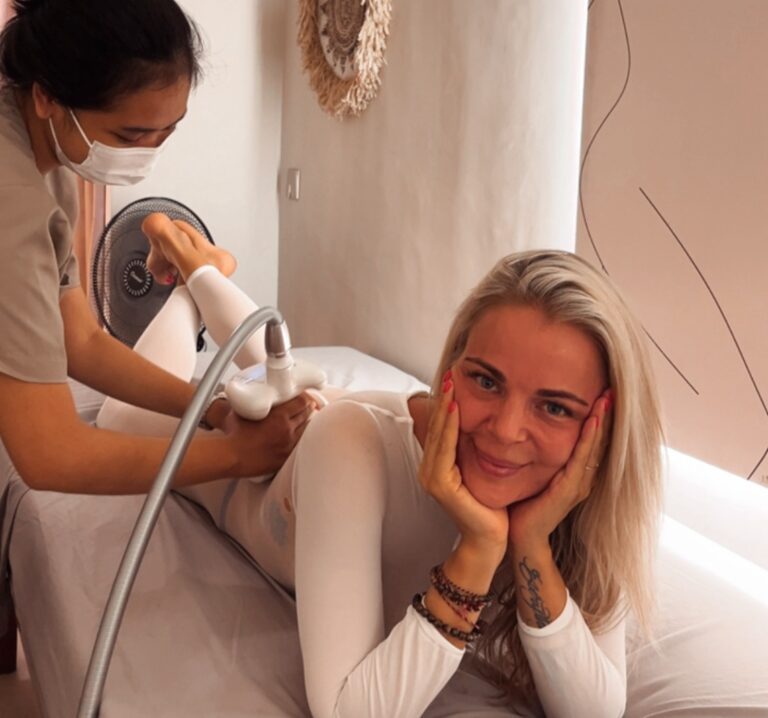
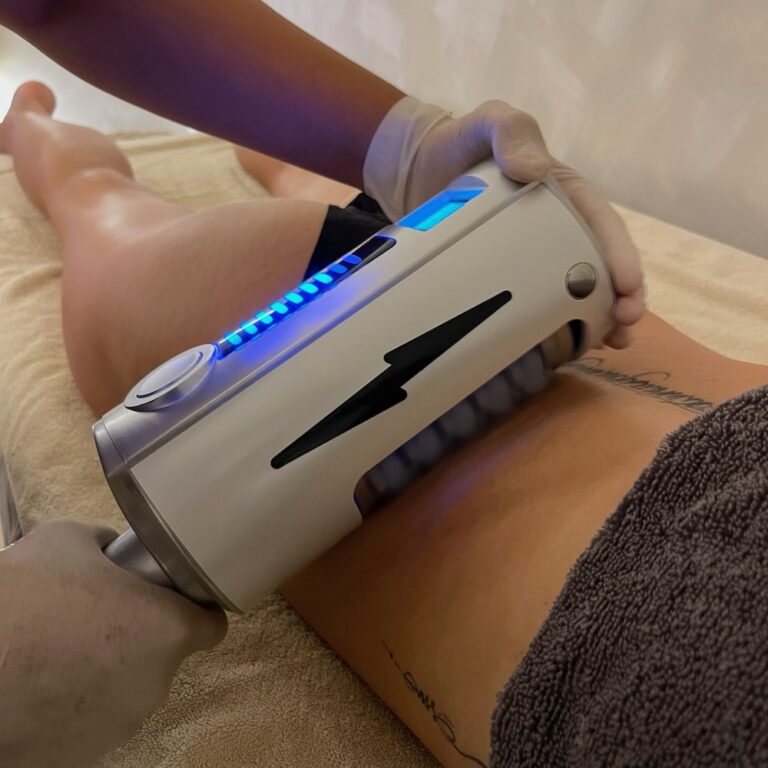
Other mechanical treatments, such as EndosTherapy (IDR 649,000) or LPG Endermologie (IDR 799,000), act through microvibration or vacuum-roller stimulation. Peer-reviewed literature indicates that these devices may stimulate lymphatic drainage and address microcirculation issues, but they are comfort-focused treatments for ordinary, symmetrical swollen feet after flying, not medical cures. By guiding fluid toward the body’s natural drainage nodes, these sessions aim to reduce the sensation of heaviness. Whether by hand or machine, these are supportive sessions designed to assist your body in its own recovery process as you acclimate to the tropical environment.