

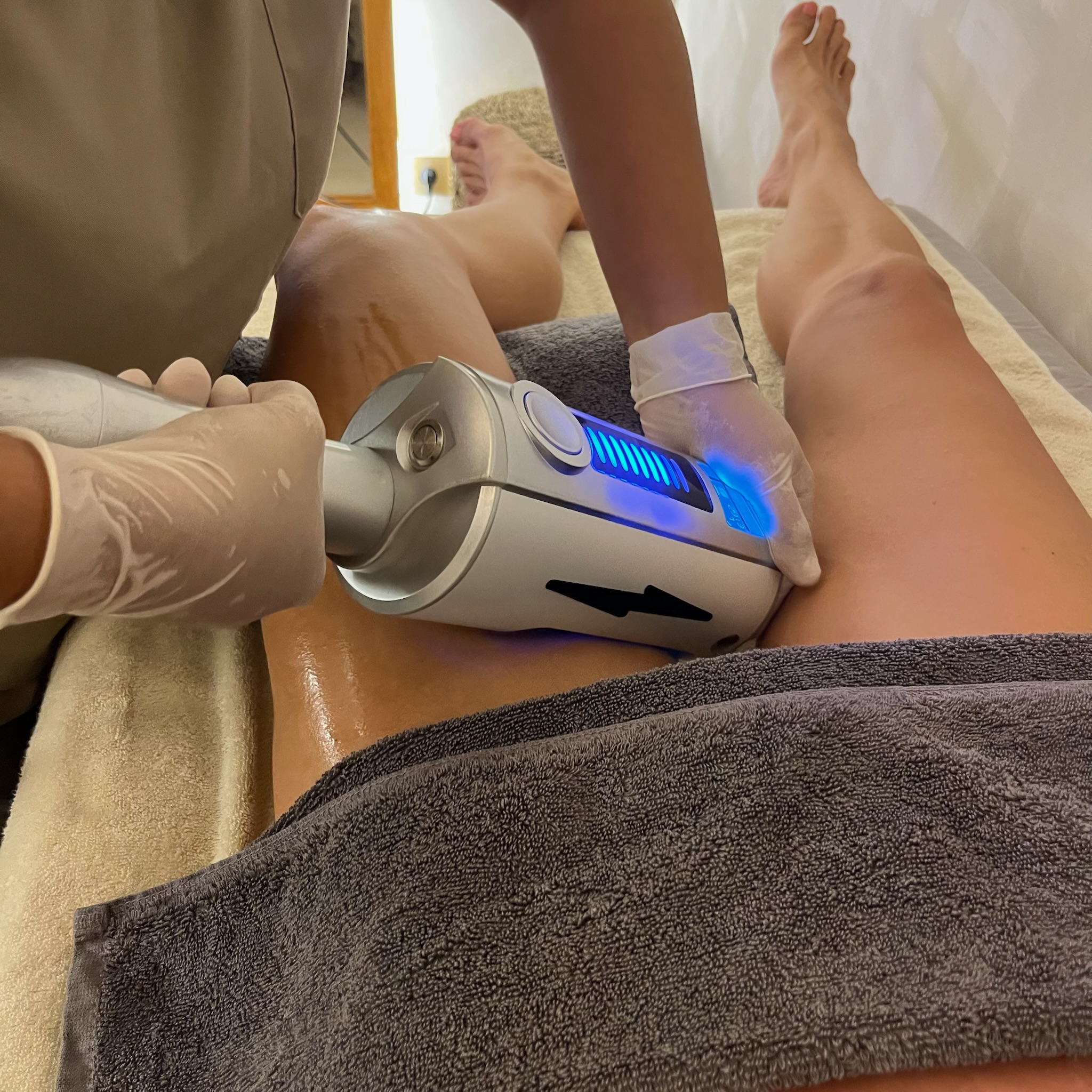
Living in Bali presents a unique set of challenges for the skin and body. The persistent heat and humidity, while conducive to a relaxed lifestyle, often result in subtle physiological shifts. Many women notice that despite maintaining an active lifestyle or a balanced diet, the texture of their skin—particularly around the hips, thighs, and abdomen—seems to change. This is frequently where the conversation around a cellulite massage begins. However, the reality of these treatments is often obscured by marketing claims that promise a permanent erasure of dimpling, ignoring the fundamental structure of the human body.
To understand why this massage feels different or provides a specific temporary aesthetic improvement in a tropical climate, one must first look at what cellulite actually is. It is not merely a localized accumulation of fat. Instead, cellulite is a structural issue where fibrous connective tissue bands, known as septae, tether the skin to the underlying muscle. When fat deposits push upward against these bands while the skin is pulled downward, the characteristic dimpled appearance occurs. Because this is a structural trait, it is important to be realistic: no amount of massage, hand-applied or mechanical, can surgically remove or permanently alter these bands. The peer-reviewed literature notes that while mechanical massage can stimulate lymphatic drainage and address impaired microcirculation, the clinical evidence for long-term cellulite correction remains observational, and the durability of such results is seldom reported in controlled settings.
Physiology and the reality of tissue management
If massage cannot delete cellulite, why do so many people feel a tangible, visible improvement after a session? The answer lies in fluid dynamics. In the heat of Bali, the body’s lymphatic system—the network responsible for clearing waste and excess fluid—can become sluggish. A targeted cellulite massage is essentially an exercise in manual fluid management. By using firm, rhythmic compression, a practitioner can encourage the movement of trapped interstitial fluid away from the tissues. This process, often referred to as lymphatic drainage in Bali, reduces localized swelling. When that excess fluid is moved, the skin appears temporarily smoother and tighter, simply because the pressure within the tissue has decreased. It is a real effect, but it is a short-lived one, lasting anywhere from a few hours to a day.
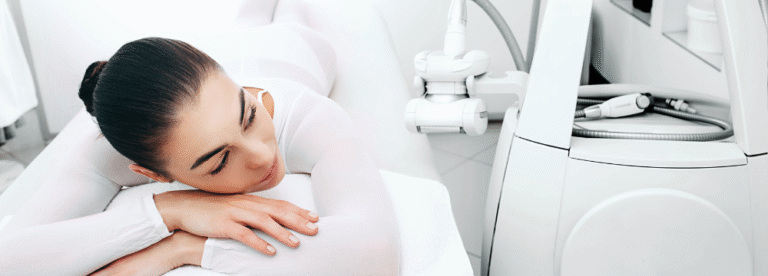
For those seeking more than a temporary shift in fluid levels, it is vital to distinguish between massage, which aids circulation, and technologies designed for structural body contouring. Treatments such as cryolipolysis or ultrasound cavitation operate on different biological principles. Research published in the World Journal of Plastic Surgery regarding cryolipolysis highlights that while patients see a reduction in fat thickness and circumference, their overall body weight often remains unchanged, reinforcing that these are tools for contouring, not weight loss. The American Society of Plastic Surgeons confirms that such interventions are most effective for individuals who are already close to their target weight, rather than as a solution for broader weight management.
At Body Studio Bali in Uluwatu, the approach to a 60-minute cellulite massage is structured specifically to support these physiological goals. The session begins with warm-up strokes to prepare the tissue, followed by the core of the treatment: firm, rhythmic compression focused on the hips, thighs, and abdomen. The final phase consists of slower, cooling strokes. This sequence is designed to maximize circulation and support the natural flow of the lymphatic system. It is a grounded, athletic approach—far removed from a standard relaxation treatment. The cost is IDR 550,000 for a single session, with tiered pricing available for five sessions (IDR 2,099,000) or ten sessions (IDR 4,000,000) for those who wish to maintain a consistent circulation routine.
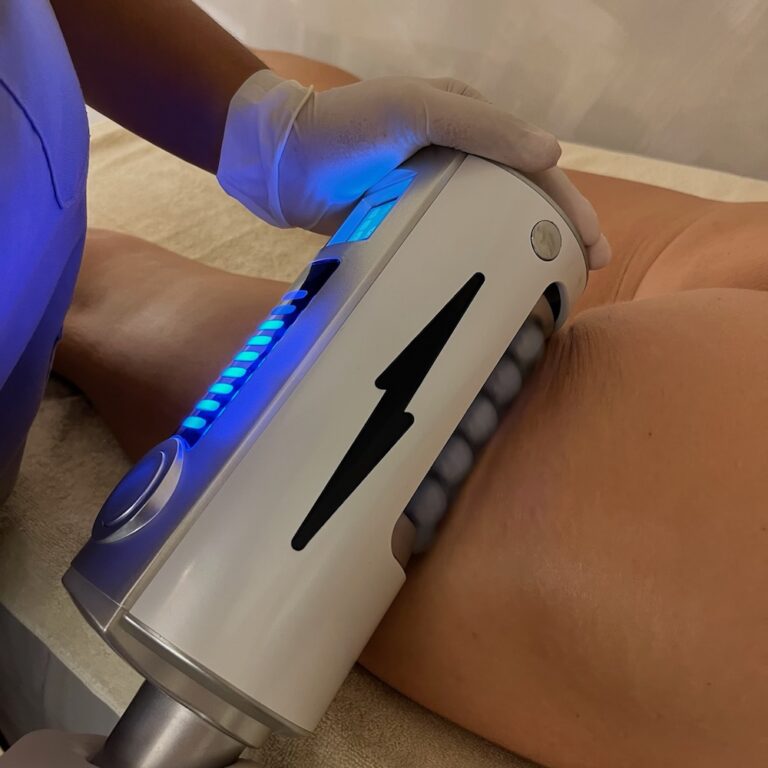
When considering body contouring in Uluwatu, it is helpful to view these services as complementary. A manual cellulite massage can be an excellent adjunct to machine-based treatments like radio-frequency or ultrasound cavitation. While technologies like micro-focused ultrasound can trigger genuine collagen remodeling—a process supported by evidence of denatured collagen contraction and neocollagenesis—manual work remains a primary tool for immediate tissue health and local blood flow. The most honest way to view these interventions is as a maintenance toolkit: they help manage fluid, support circulation, and improve skin texture, but they remain subject to the laws of genetics and individual anatomy. By keeping expectations aligned with what the literature actually supports, one can better navigate the landscape of aesthetic treatments in a way that feels rewarding and, above all, informed.