

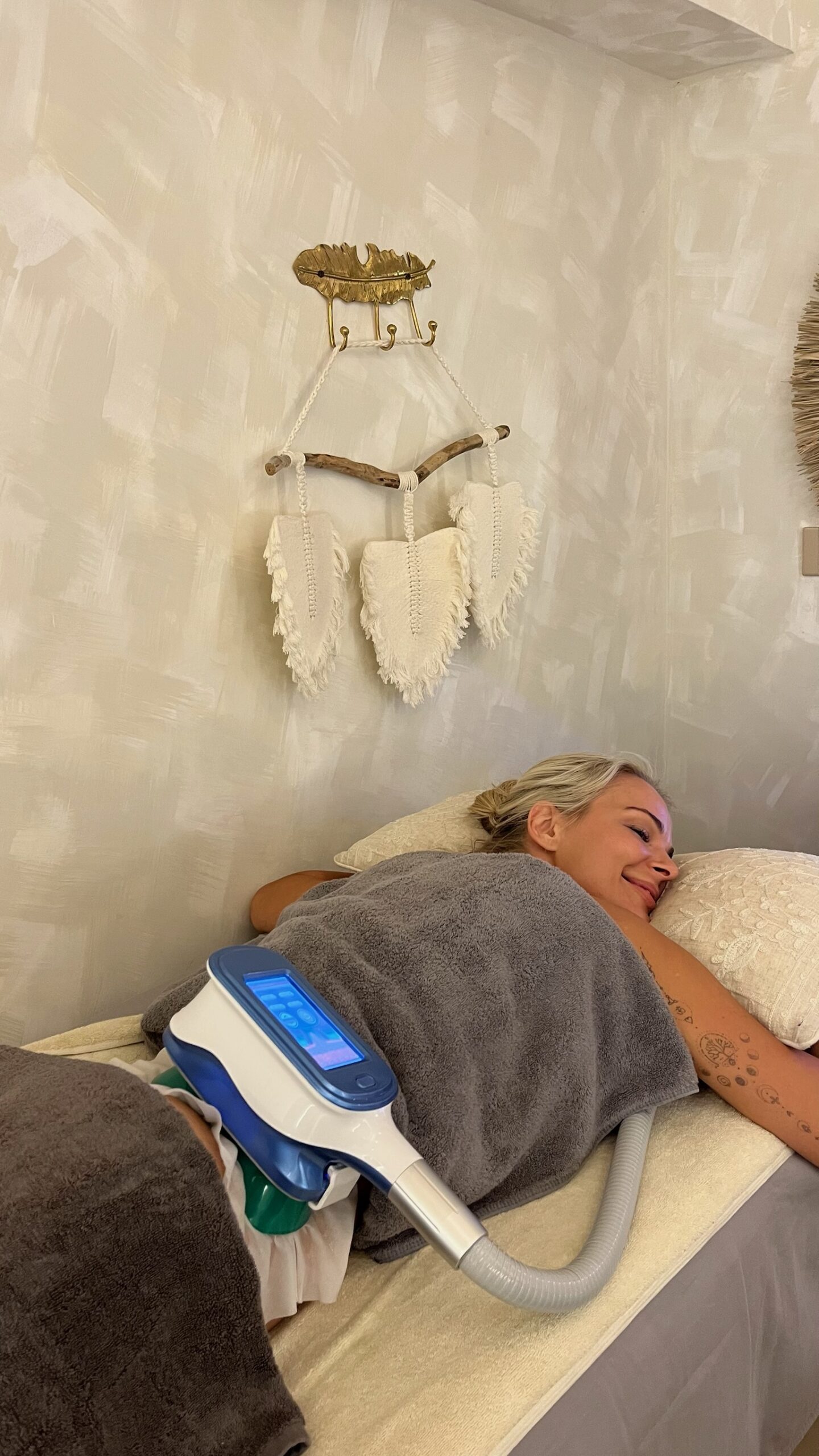
Living in Bali means navigating a unique relationship with the body. Between the humidity that complicates skincare and the constant exposure of beach life, we are often hyper-aware of our silhouettes. It is perhaps why so many visitors and residents find themselves researching Cryolipolyse op Bali. It sounds like the perfect tropical solution: a non-invasive way to smooth out a stubborn pocket of fat while you lounge on a treatment bed. But beneath the marketing, the reality is defined by physiology, not magic.
The Physics of Fat Cell Apoptosis
To understand if does fat freezing work, one must first look at the specific vulnerability of adipocytes—fat cells—to temperature. Cryolipolyse operates on a relatively simple, if sophisticated, biological principle. Because fat cells are more sensitive to cold than the surrounding skin, nerves, and muscle tissue, a controlled reduction in temperature can trigger apoptosis, or programmed cell death, without damaging the epidermis.
The founding research, conducted by the Wellman Center for Photomedicine, established that this process is neither immediate nor aggressive. When a targeted area is subjected to prolonged cooling, the fat cells crystallize and eventually undergo a controlled death. The body then clears these damaged cells through its normal lymphatic and metabolic pathways. It is a slow, inflammatory process that typically peaks around two weeks post-treatment and resolves over several months. Because this mechanism relies on the body’s internal cleanup crew, the literature reports that no amount of post-treatment massage can “flush” these cells out faster; the process is bound by the body’s own biological clock.
What the Evidence Actually Measures
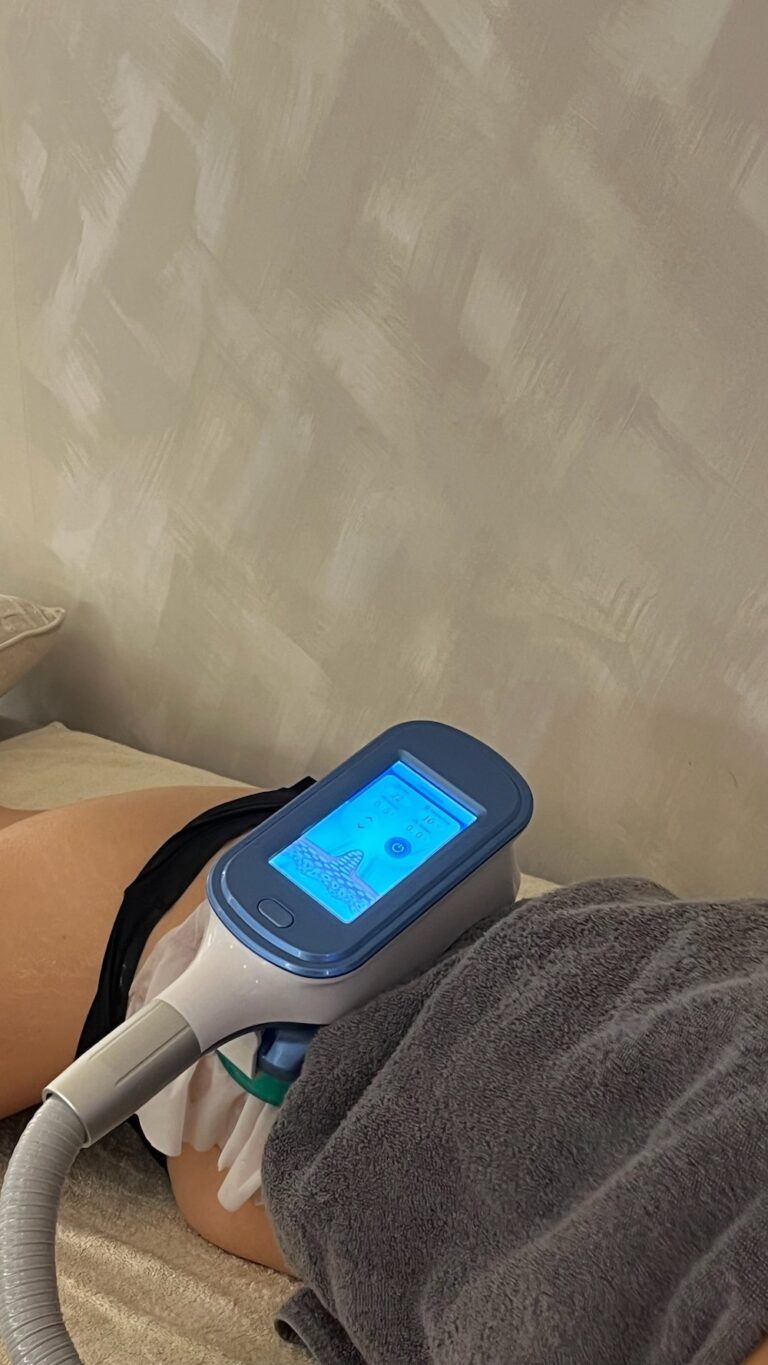
When you strip away the promotional language, cryolipolysis evidence suggests a very specific, limited outcome. Meta-analyses of peer-reviewed studies indicate a roughly 20-25% reduction in the thickness of the treated fat layer. It is crucial to note that these figures are derived from caliper and ultrasound measurements, not the bathroom scale. The treatment is strictly a body contouring tool, not a weight-loss intervention. As confirmed by experts at Harvard Medical School, the ideal candidate is someone already near their goal weight who has a localized, pinchable pocket of fat that refuses to budge despite diet and exercise. It does not target visceral fat—the deeper, organ-surrounding fat that carries metabolic risk—so it confers no systemic health benefits.
Furthermore, the expectation of a “transformation” is often where disappointment begins. Results are subtle, appearing gradually over 8–12 weeks. If you are hoping for skin tightening, cryolipolysis is not the mechanism for that; it specifically targets the reduction of fat volume. There is also a rare but documented side effect known as paradoxical adipose hyperplasia (PAH), where the treated area instead enlarges over time. While modern studies estimate its incidence remains relatively low—some recent data suggests a slightly higher frequency than early, optimistic marketing suggested—it serves as a necessary reminder that this is a medical procedure requiring professional assessment.
The Reality of a Studio Session
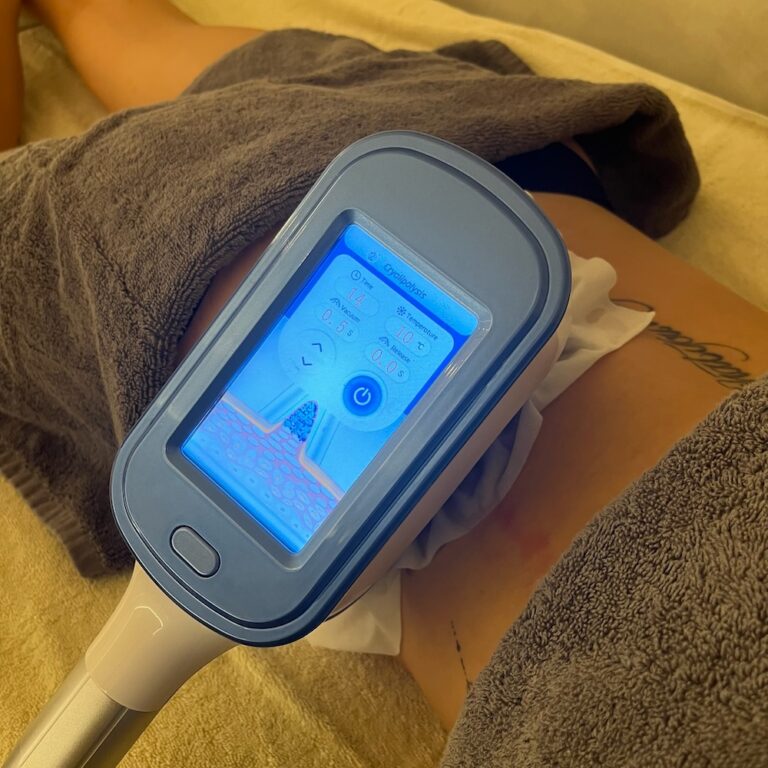
When you arrive at a facility like Body Studio Bali, the experience should start with a rigorous assessment. A technician must physically verify that your fat is subcutaneous and “pinchable.” If the tissue isn’t a good candidate, the most honest result is a recommendation against the treatment. A typical session involves a 55-minute period where the area is protected by a gel pad before a vacuum applicator draws the tissue in to cool it from multiple angles.
The progression of a standard, single-area session is straightforward:
- An initial assessment and marking to ensure precise applicator placement.
- A 55-minute cooling phase where you may feel intense suction and cold, followed by localized numbness.
- A post-treatment manual massage to help the tissue settle.
- A waiting period of 8–12 weeks to allow the body to clear the apoptotic cells before re-measuring.
Price points vary based on how many areas are treated in a single visit, but the fundamental limitations remain constant regardless of the cost. Whether you are treating one area for 1,620K or multiple zones to contour a specific section, the outcome is measured in centimeters on a tape measure, not kilos on a scale. Understanding that this treatment is a slow, precise tool for refinement—rather than a substitute for lifestyle changes—is the best way to determine if it is the right path for your personal wellness goals.