

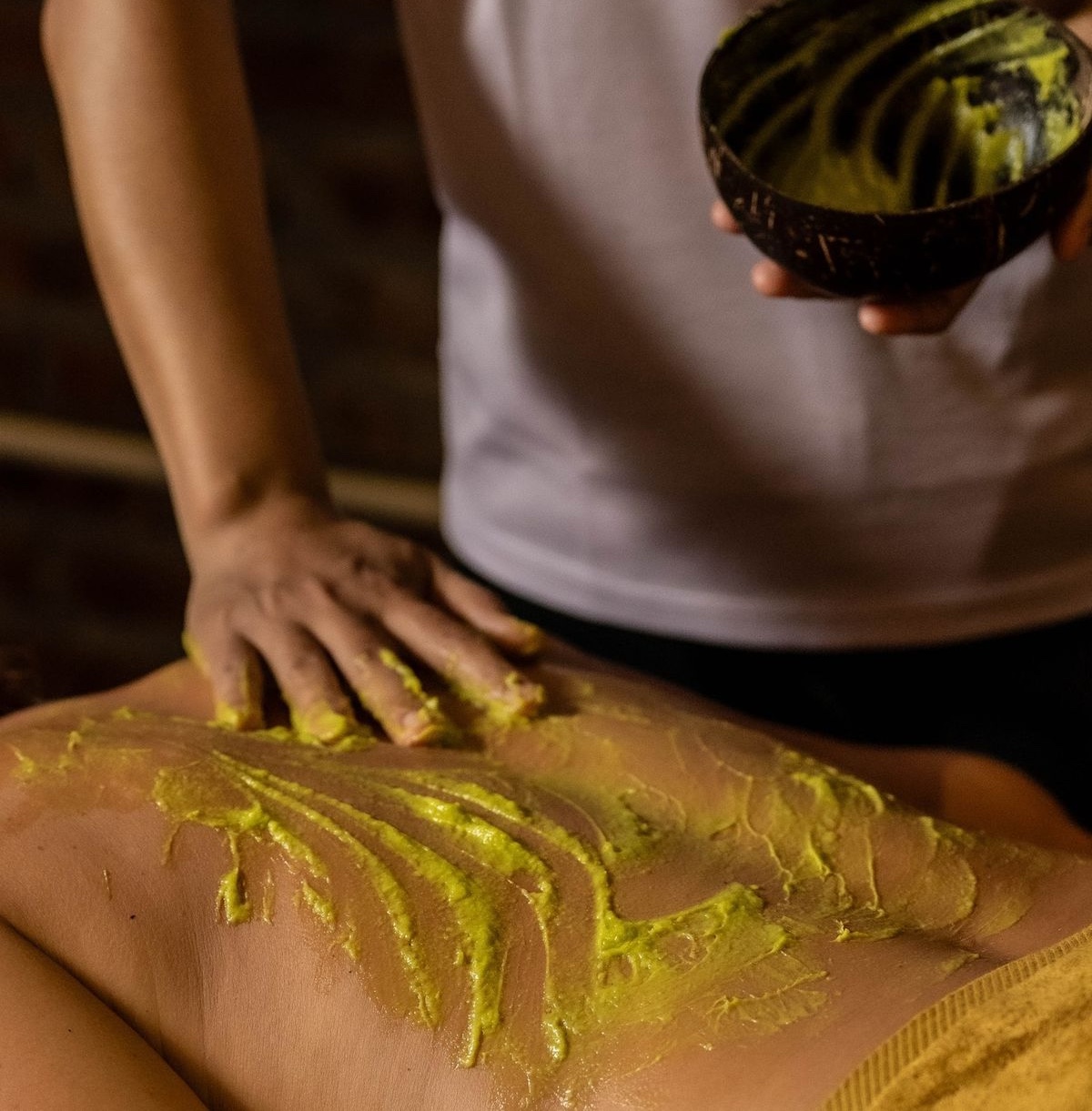
Living in Bali presents a unique set of challenges for the skin. The combination of high ambient humidity, intense UV exposure, and the frequent use of sunscreen creates a recipe for cellular buildup. While the humidity keeps the air moist, it also encourages a faster turnover of dead skin cells that can become trapped by sebum and environmental pollutants. Left unaddressed, this debris layer results in a lackluster complexion and, quite often, congested pores that no amount of daily cleanser can fully clear. In this environment, skin exfoliation Bali style—specifically through a professional scrub massage—functions less as a luxury indulgence and more as a necessary clinical reset for the integumentary system.
The Physiological Case for Mechanical Exfoliation
The skin acts as our primary interface with the tropical climate, and its health is heavily dictated by the rate at which the stratum corneum—the outermost layer of the epidermis—sheds. When humidity is high, the natural desquamation process can become sluggish. Dead cells don’t always slough off efficiently; they adhere to the skin surface, trapping sweat and oils. This is where body polishing becomes a functional tool. By manually removing this hardened, oxidized layer of debris, you are effectively lowering the barrier to your skin’s natural respiratory and absorptive functions.
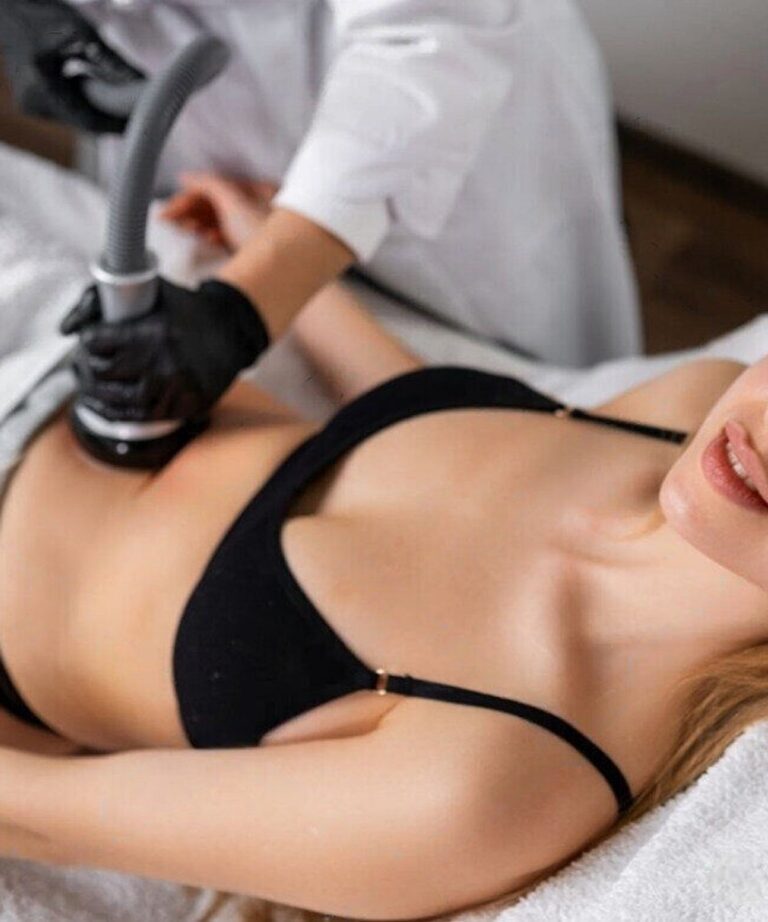
It is important to maintain realistic expectations regarding these treatments. A scrub massage is not a substitute for deep-tissue therapeutic work, nor does it possess the ability to alter subcutaneous fat distribution. While techniques like LPG mechanical vacuum-roller massage can stimulate lymphatic drainage and assist with microcirculation, a simple body scrub is a surface-level intervention. Its value lies in its ability to refine texture and prepare the dermis for better absorption of moisture, which is vital when you are constantly losing water through perspiration.
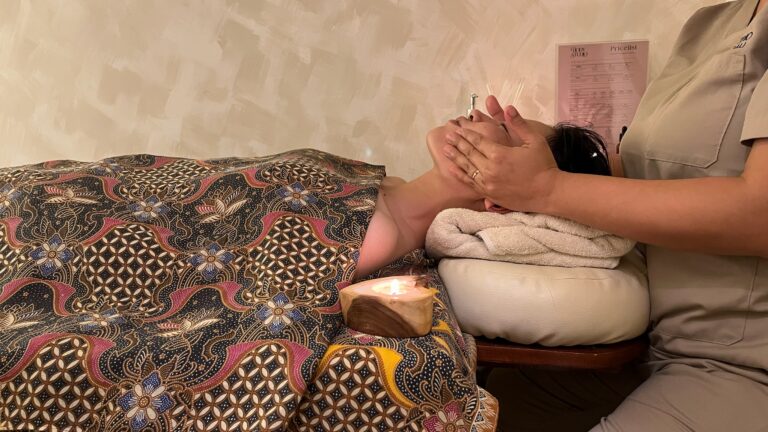
The physiological benefit of a structured body scrub lies in the manual stimulation of the skin’s surface. When performed as part of a professional ritual, the exfoliation process encourages peripheral blood flow. While the primary goal of the Bodyscrub at Body Studio Bali is to address dry or dull skin texture through smoothing and hydration, the mechanical action of the polish serves to prime the body for subsequent treatments. If your goal is true muscle relief or the correction of stubborn knots, the literature suggests that manual manipulation, such as a focused Deep Tissue Massage, remains the clinical gold standard for addressing structural tension.
For those living in or visiting Bali, the cumulative effect of sun and salt water can lead to a specific type of dryness that traditional home-care often fails to rectify. The Body Studio Bali approach to this is a skin-renewing ritual designed to remove these dull textures, resulting in a smoother, softer finish. The sequence is vital here: starting with the scrub clears the pores, which ensures that any subsequent oils or hydrating balms applied during a massage can penetrate the upper layers of the skin more effectively. This is why pairing a scrub with a follow-up massage is consistently the most efficient way to achieve a hydrated, healthy glow.
When considering more advanced aesthetic interventions, it is useful to understand that not all “body treatments” operate on the same biological level. For instance, micro-focused ultrasound utilizes thermal coagulation to trigger deep collagen remodeling, a process entirely distinct from the superficial mechanical exfoliation of a scrub. Similarly, studies on noninvasive ultrasonic cavitation demonstrate measurable biochemical shifts in blood lipid profiles, providing evidence of how deep-tissue technologies interact with fatty tissue, whereas a scrub remains strictly within the epidermis.
Effective tropical skin care requires this tiered approach. You must respect the surface by keeping it clear through regular exfoliation, while understanding that deeper physiological changes—such as lymphatic fluid movement or muscle tension release—require more specialized mechanical interventions. While manual lymphatic drainage can be as effective as mechanical devices for reducing edema, the choice ultimately rests on your personal preference for the therapeutic touch. By treating the skin as an organ that requires both deep-cleaning and targeted maintenance, you can mitigate the dullness that the Balinese climate so often imposes. A structured, professional scrub is the most effective way to start that process, ensuring your skin remains resilient against the elements.