

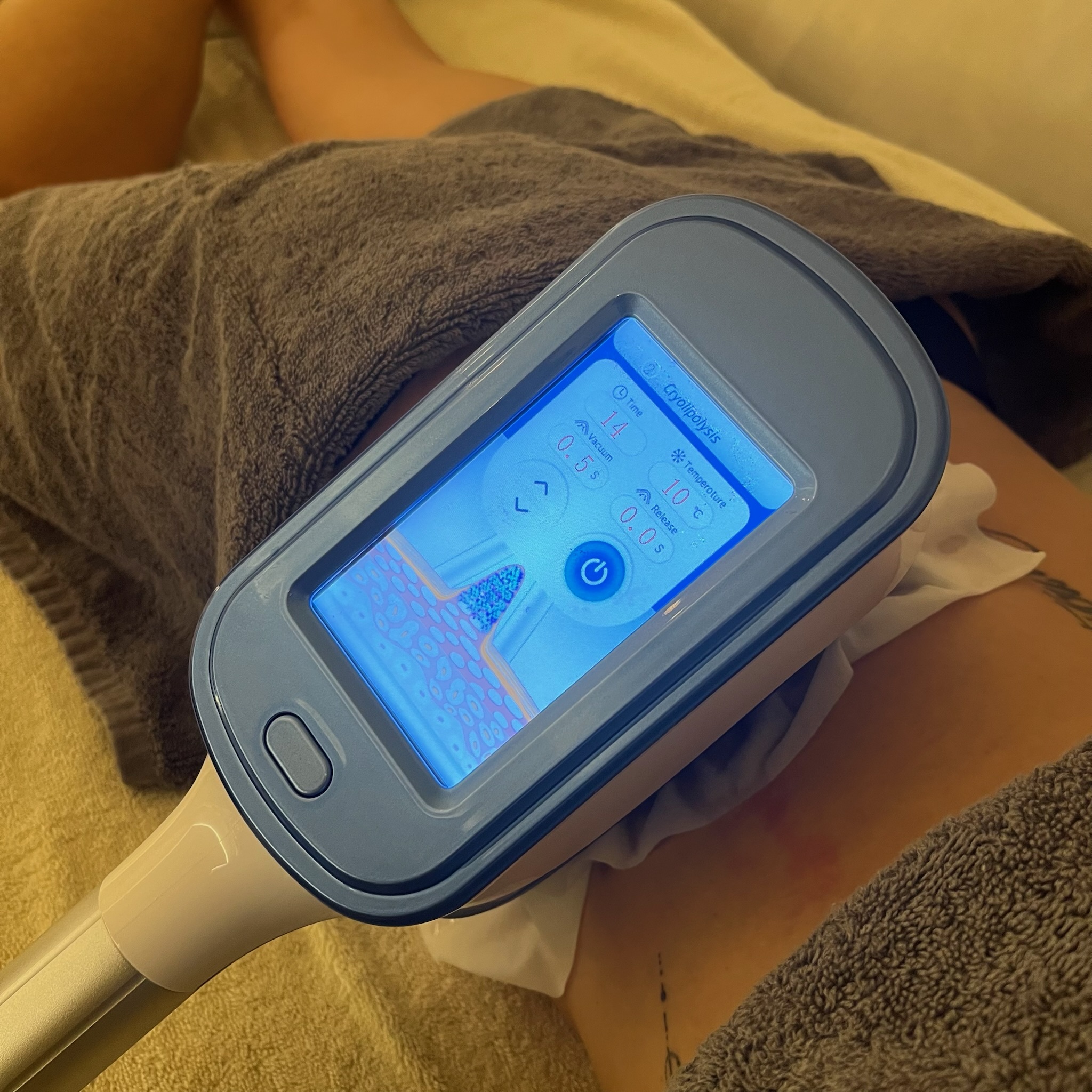
Cryolipolysis—often colloquially called fat freezing—is a procedure built on a specific physiological vulnerability: the fact that adipocytes, or fat cells, are more sensitive to cold than the skin, nerves, or muscles that surround them. When exposed to a precisely controlled low temperature, these cells undergo apoptosis, a form of programmed cell death. Once the cells are effectively “deactivated,” the body clears them over time through its natural metabolic and lymphatic pathways. It is a process that relies entirely on your own biology to complete the task, which is why the most important thing to understand about this treatment is the timeframe. Results are not immediate; they manifest gradually over 8–12 weeks as the body processes the damaged cells.
Because this process involves a slow, inflammatory clearance rather than an acute mobilization of lipids, there is no sudden flush of fat into the bloodstream. Research confirms that serum lipid levels and liver function tests remain unaffected, even when multiple areas are treated in a single session. This confirms that the science is rooted in localized cellular death rather than systemic fat loss. Consequently, it is vital to approach this as a method for contouring specific, pinchable pockets of subcutaneous fat—not as a tool for weight loss. As Harvard Medical School experts emphasize, the treatment does not touch visceral fat, which sits around the organs, meaning it provides no metabolic health benefits. The ideal candidate is someone already near their goal weight who is looking to refine a stubborn area that has proven resistant to consistent diet and exercise.
Who is not a candidate for cryolipolysis?
The primary hurdle for many seeking body contouring is the physical state of the tissue. If the fat is not “pinchable”—meaning it is visceral rather than subcutaneous—the applicator cannot adequately draw the tissue into the vacuum chamber for the controlled cooling process to be effective. However, there are also genuine clinical contraindications that must be observed to maintain treatment safety. Individuals with conditions that affect the body’s reaction to cold must avoid cryolipolysis entirely. This includes cryoglobulinaemia, where cold causes abnormal clumping of blood proteins; cold urticaria, which triggers hives or allergic-like reactions to cold exposure; and paroxysmal cold haemoglobinuria. Furthermore, anyone with a hernia at the intended treatment site, or those who are pregnant, should not undergo the procedure. These are not merely suggestions; they are necessary boundaries to protect the body’s systemic stability.
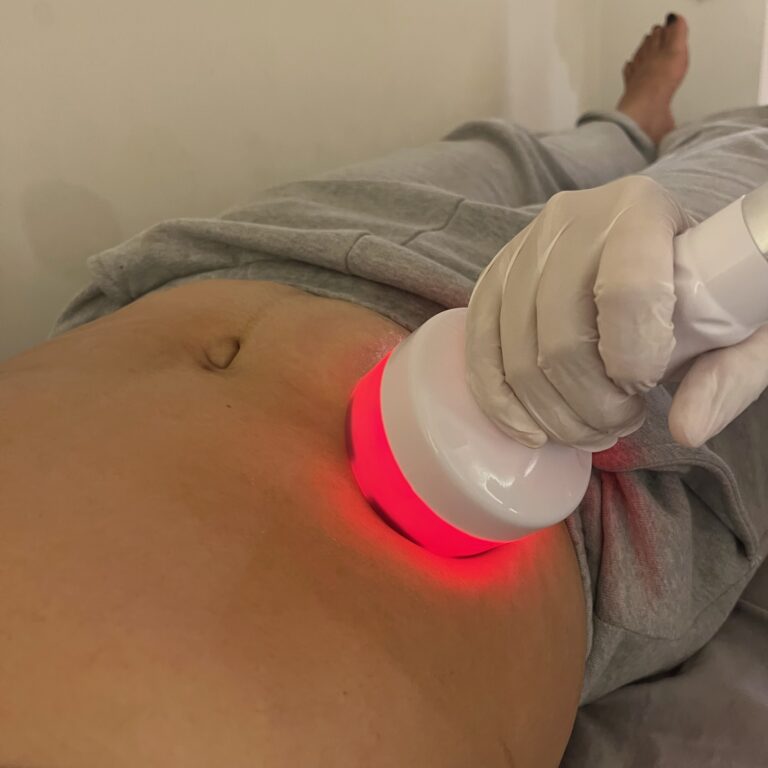
When you book a session at Body Studio Bali, the process begins with a formal assessment to ensure your tissue is a viable candidate. The practitioner marks the treatment area, confirms the fat is subcutaneous, and selects the appropriate vacuum applicator—which, in our facility, provides 360° cooling—to match the contours of your body. During the 55-minute session, you will feel intense cold and firm suction as the skin is drawn into the applicator. Following the procedure, the area is massaged to help normalize the tissue. Some degree of redness, firm texture, or tenderness is common as the inflammatory response initiates. These effects generally resolve within a few days or weeks, marking the normal, expected trajectory of the fat-clearing process.
Understanding paradoxical adipose hyperplasia
While the vast majority of patients experience nothing more than temporary swelling or numbness, there is a serious, rare side effect known as paradoxical adipose hyperplasia (PAH). In contrast to the desired outcome, PAH involves the treated area experiencing an increase in fat volume, manifesting as a firm, well-defined, and often painless enlargement of the tissue. This condition is particularly noteworthy because it does not resolve on its own. While the manufacturer of some devices may suggest a very low incidence, independent research suggests the risk may be higher than historically quoted, with some clinical reviews noting incidence estimates reaching up to 2%. Treatment for PAH, should it occur, typically requires surgical intervention such as liposuction or excision.
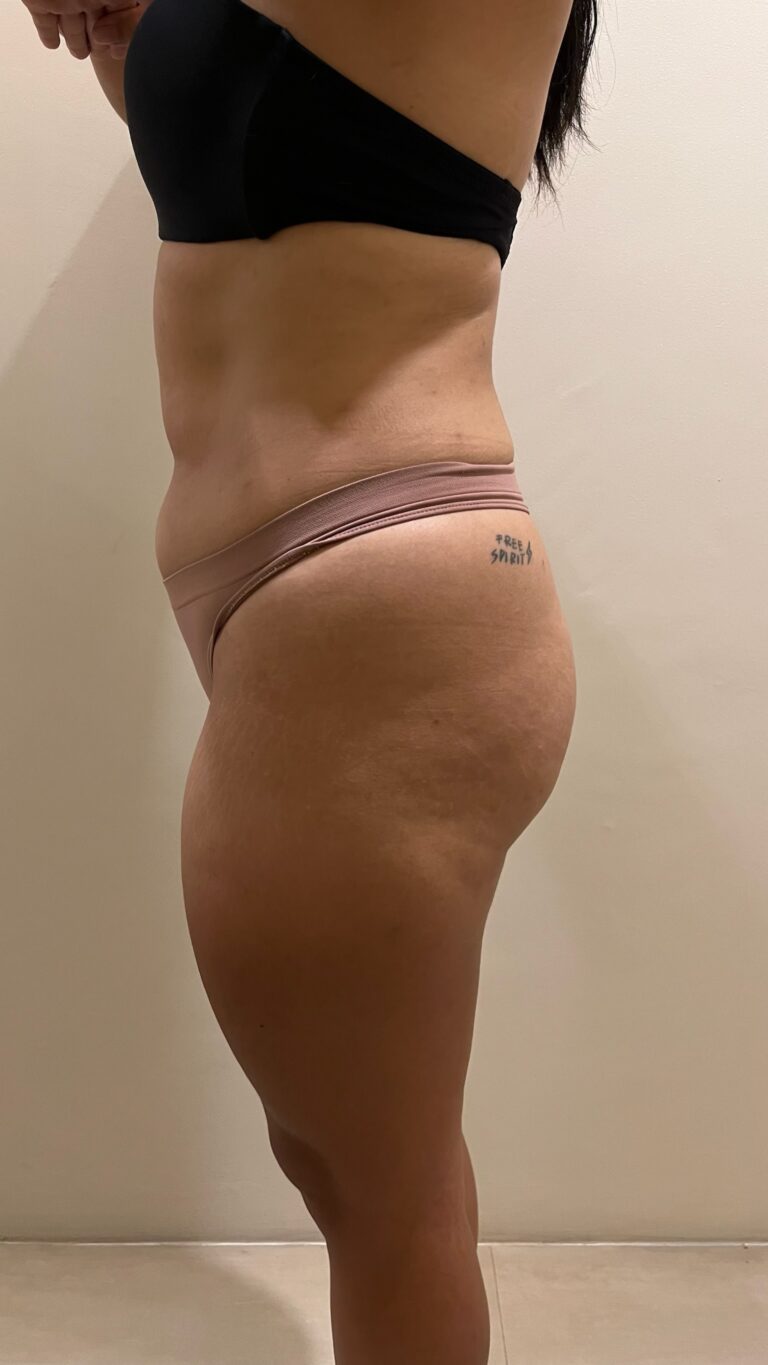
유럽경제지역(EEA) 또는 영국에 소재한 고객에게 적용되는 경우, medical literature confirms that PAH usually becomes apparent weeks to months after the procedure. It is a rare outcome, but it is one that anyone considering the procedure must be aware of to provide informed consent. Transparency regarding this risk is an essential part of the consultation process. If a provider does not mention this possibility or the genuine contraindications mentioned above, it is a sign to step back and re-evaluate the safety protocols of the facility.
Managing expectations for fat reduction
It is important to remember that cryolipolysis is not a miracle cure for body composition. Clinical reviews have demonstrated a fat-layer reduction of approximately 20–25% in the targeted area following a single session, with results peaking at the 2–6 month mark. A meta-analysis published in 2025 underscores that while circumferential measurements and fat thickness do decrease, body weight remains unchanged. This is consistent with the original porcine studies that first established the mechanism of selective cryolysis. The device is a tool for refinement, not a replacement for healthy lifestyle habits. Because the process is gradual, patience is a requirement. If you are preparing for a specific event or trip, the 8–12 week timeline is the period where you will finally be able to assess whether the contour change meets your goals.