


Living on the Bukit peninsula presents a specific set of environmental stressors that accelerate the visible signs of photoaging. The combination of high-intensity solar radiation—characteristic of an equatorial latitude where the UV Index regularly reaches extremes—and the dehydrating effects of daily saltwater immersion, wind exposure, and constant air conditioning creates a challenging climate for the skin barrier. Because UVA rays penetrate deeply into the dermis to drive collagen breakdown and fibroblast damage, cumulative exposure often manifests as premature lines and loss of elasticity rather than simple surface burning. According to randomized controlled trials, diligent protection is the only way to mitigate these changes, yet the harsh reality of the Bukit climate means that topical intervention alone is frequently insufficient to maintain skin integrity.
Historically, residents and surfers on this side of the island requiring professional skin support faced limited options, often commuting to Seminyak or Canggu, or relying on intermittent treatments at hotel spas. The establishment of Body Studio Bali in Ungasan provides a dedicated facility for those seeking consistent, localized dermatological maintenance. When evaluating options for a facial Uluwatu, one must distinguish between superficial spa rituals and targeted mechanical interventions. The studio’s menu focuses on structural approaches, including LPG 페이스, EndosTherapy 페이스, 바큠 RF 페이스, Cryolipolysis Jawline, and manual techniques such as Face Modeling Massage, rather than chemical peels or microdermabrasion. Understanding how these mechanical modalities address dermal structural integrity is essential for anyone aiming to counter the long-term impact of the Bukit sun.
What the Bukit does to skin that the rest of Bali does not
The Bukit peninsula presents a specific dermatological challenge distinct from the shaded, verdant interior of central Bali. Situated at approximately 8.5°S latitude, the Ungasan region experiences high UV intensity year-round. According to the World Health Organization, the solar UV index remains high in equatorial regions, with the most intense radiation occurring within the four-hour window around solar noon. During this period, approximately 60% of the day’s total UV dose is delivered. On the Bukit, this exposure is compounded by the reflective properties of pale limestone and white sand, which scatter UV radiation, and by the lack of canopy cover that characterizes the Uluwatu coastline.
The primary concern for skin on the Bukit is not merely surface burning, but cumulative photoaging driven by UVA radiation. While UVB is responsible for erythema, UVA constitutes approximately 96.5% of the UV reaching the ground on a summer day. Unlike UVB, UVA penetrates deep into the dermis—roughly 100 times more UVA photons reach the dermis than UVB photons. These rays trigger the production of reactive oxygen species, which activate signaling pathways like MAPK/AP-1. This process upregulates matrix metalloproteinases (MMPs)—specifically MMP-1, MMP-3, and MMP-9—which cleave type I and III collagen, while simultaneously suppressing procollagen synthesis. Consequently, the visible signs of an aged face, such as dystrophic elastic fibers and a reduction in dermal density, are predominantly the result of this chronic UV exposure rather than chronological age alone.
The lifestyle common to residents and visitors in Uluwatu exacerbates these biological mechanisms. Daily surfing and extended time on the water strip the skin’s natural lipid barrier through a combination of salt exposure, wind, and repetitive immersion. Furthermore, the American Academy of Dermatology notes that most individuals apply only 20-50% of the sunscreen required to achieve the labeled SPF. Even with correct application, a standard sunscreen is rarely formulated to remain effective for a three-hour surf session. Without reapplication—which is functionally impossible between waves—the skin remains unprotected during the peak UV hours when the Bukit’s cliff-side exposure is most unforgiving.
The clinical evidence for mitigating this damage is robust. The Nambour randomized controlled trial provided definitive causal evidence that daily, diligent sunscreen use prevents visible skin aging, with participants demonstrating 24% less aging compared to discretionary users. At Body Studio Bali, facial treatments focus on addressing the structural consequences of this environment. The studio offers manual 페이스 마사지 and Face Modeling Massage, as well as mechanical modalities including LPG Face, EndosTherapy Face, and Vacuum RF Face, alongside specialized options like Cryolipolysis Jawline and Deep Cleansing / Signature Facial. It is important to note that the studio does not utilize chemical peels, microdermabrasion, LED light therapy, or HydraFacial devices, as these do not align with the studio’s technical focus on dermal integrity and lymphatic movement. By integrating consistent professional care, the studio supports the structural health of the skin against the persistent, high-intensity UV load unique to the Bukit peninsula.
The treatments available in Ungasan, and what each physically does
The Deep Cleansing or Signature Facial serves as the foundational maintenance protocol for skin health in a high-humidity environment. This treatment relies on mechanical cleansing and manual exfoliation to clear the follicular debris and sweat accumulation common to active lifestyles on the Bukit. By removing the buildup of keratinocytes and sebum, the protocol facilitates optimal hydration absorption, which is critical after prolonged exposure to salt water and sun. This is a maintenance-focused modality; it does not address deep structural laxity or collagen degradation, but rather provides the surface hygiene necessary to prevent comedone formation and dullness.
Face Massage, including the specialized Face Modeling Massage which incorporates cupping and guasha, focuses on the manual manipulation of the SMAS and superficial facial tissues. By applying targeted pressure, these techniques aim to facilitate lymphatic drainage and improve local microcirculation, which can assist in reducing transient facial edema. The use of guasha and cupping tools provides a targeted myofascial release, particularly effective for addressing tension in the masseter and temporalis muscles. While these methods provide immediate visual improvement in puffiness and tension, they offer only temporary effects and require regular application to maintain the reduction in fluid retention.
LPG Face utilizes mechanical roller-and-vacuum stimulation to physically interact with the dermal connective tissue. The primary mechanism is the mechanical activation of fibroblasts, the cells responsible for the production of collagen and elastin. By applying controlled suction and rhythmic stimulation, the device aims to enhance the density of the skin’s matrix. As this is a mechanobiological intervention, results are strictly cumulative. Patients should anticipate a structured course of sessions to witness measurable improvements in skin tone, as a single session cannot induce the necessary long-term remodeling of the extracellular matrix.
EndosTherapy Face employs compressive micro-vibration through a specialized sphere applicator to stimulate deep tissue layers. The mechanical vibrations act to improve vascularization and local drainage while providing a firming effect on the underlying facial musculature. Similar to other mechanical stimulation protocols, the effectiveness of EndosTherapy is tied to a consistent series of treatments. It serves as a non-invasive option for those seeking to improve tissue texture and local metabolic activity without the downtime associated with more aggressive procedures, though it is not a surgical substitute for structural lifting.
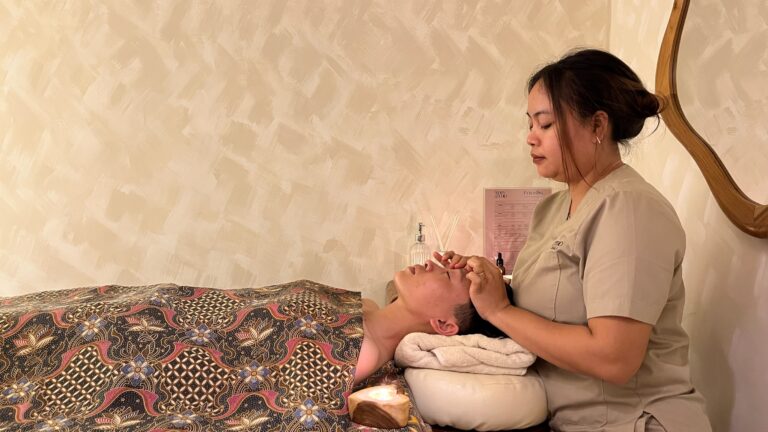
Vacuum RF Face uses radiofrequency energy to induce selective heating of the dermis. This controlled thermal energy creates a physiological response where the heat prompts the immediate contraction of existing collagen fibers and initiates the subsequent synthesis of new proteins. Because chronic ultraviolet exposure accelerates the degradation of dermal proteins via matrix-degrading metalloproteinases, this modality is particularly relevant for those living in equatorial regions. However, the degree of tightening is finite; it is best indicated for patients with mild laxity. It cannot replicate the results of a surgical lift, and patients must maintain rigorous sun protection to prevent further UV-induced collagen fragmentation from undoing the remodeling progress.
Cryolipolysis Jawline is a localized treatment that uses controlled cooling to target subcutaneous adipose tissue. The mechanism relies on the vulnerability of fat cells to specific temperatures, leading to a natural process of cell apoptosis, or programmed cell death, in the treated area over several weeks. This modality is designed exclusively for the reduction of small, localized fat deposits under the jawline. It is a body-contouring procedure rather than a skin-tightening one, and it requires a course of sessions to reach the maximum potential reduction in fat volume. It is not an effective solution for skin sagging or loose tissue that lacks an underlying fat component, and it is not a replacement for surgical interventions like liposuction.
Salt, sweat and the skin of people who are in the water every day
Living on the Bukit peninsula presents a unique physiological challenge to the skin. In this equatorial climate, ambient temperatures drive a predictable increase in sebum production; clinical data indicates that the sebum excretion rate rises by approximately 10% for every 1°C increase in temperature. For those surfing or training in the Uluwatu heat, this excess oil frequently interacts with synthetic fabrics like rash guards or wetsuits, creating a climate-controlled environment that exacerbates common dermatological issues.
The mechanism behind heat rash in these conditions is well-documented: sweat ducts often become occluded by skin debris and biofilm-forming bacteria. As sweat leaks into the epidermis or dermis, it causes overhydration, swelling, and further duct occlusion, a condition that affects a significant portion of adults in humid climates. When this is coupled with the physical demands of daily surfing—repeated exposure to salt water, drying winds, and the necessary application of heavy, water-resistant zinc—the skin barrier is placed under severe, recurring stress.
The daily struggle to remove these heavy UV-protection products often leads to over-cleansing. It is essential to recognize that cleansing is not a neutral process; harsh surfactants do not simply remove sebum and debris, they extract the skin’s own essential lipids and natural moisturizing factors. These agents can remain lodged in the stratum corneum, disordering lipid lamellae and degrading barrier function, which manifests as increased transepidermal water loss, redness, and chronic irritation. Following the instruction of the American Academy of Dermatology, effective skin hygiene relies on gentle, non-abrasive cleansers applied with fingertips rather than mechanical scrubbing, which only further compromises the barrier.
Regarding professional exfoliation, there is a necessary caveat for those spending their days in the water. While chemical exfoliation with AHAs can effectively loosen corneocyte cohesion to aid desquamation, these substances also increase the skin’s photosensitivity to UVB radiation. Consequently, undergoing a strong chemical peel immediately prior to a morning session in the Uluwatu surf is contraindicated. Body Studio Bali does not offer chemical peels, as the studio prioritizes treatments that respect the integrity of the epidermal barrier in this harsh climate. Instead, for those navigating the balance of heavy sun exposure and saltwater, the practical rule remains consistent: prioritize hydration and soothing protocols immediately following sun exposure, and reserve any form of professional exfoliation for a scheduled day out of the water. For clients seeking to maintain skin health while living on the Bukit, the studio emphasizes a routine that centers on barrier repair and gentle, consistent maintenance over aggressive intervention.
The men on this side of the island book nothing, and it shows
The habit of neglecting facial maintenance is statistically pervasive among men, particularly in high-UV environments like the Bukit. According to data from the U.S. Centers for Disease Control and Prevention, only 12.3% of men report always using sunscreen when outside for more than an hour, a figure that drops even lower among younger demographics. This behavioural gap carries significant clinical consequences. Research indicates that men carry roughly one-and-a-half times the mortality risk of women regarding melanoma, a disparity that widens after age 50. Men are also statistically less likely to perform regular skin self-examinations or seek professional care for lesions, which complicates early detection.
Physiologically, male skin often masks the severity of its own degradation. It is generally thicker than female skin, possessing higher baseline collagen density and more stable sebum production, which can create a false appearance of resilience while environmental damage accumulates. While female skin thickness remains relatively stable until midlife, male skin thickness begins a steady, continuous decline starting around age 20. When this biological trajectory meets the high-UV environment of Bali—where the UV Index regularly necessitates caution—the result is significant photoaging. Photoaging, rather than chronological age, drives most visible skin changes, as long-wave UVA radiation penetrates deep into the dermis to suppress procollagen and upregulate enzymes that cleave existing collagen fibres, as detailed in recent dermatology reviews of photoaging pathogenesis.
For men unaccustomed to aesthetic procedures, a traditional, delicate facial can feel underwhelming and abstract. Body Studio Bali addresses this by focusing on treatments that provide tangible physical feedback. The Ungasan location suggests that men who are skeptical of standard facials often respond better to mechanical or structural interventions. Entry points that offer immediate, palpable results include:
- Vacuum RF Face: Utilising radiofrequency and suction to target dermal structures.
- Cryolipolysis Jawline: Applying targeted cooling to address submental tissue.
- Firm-Pressure Face Massage: A tactile approach that uses manual techniques to manipulate facial musculature.
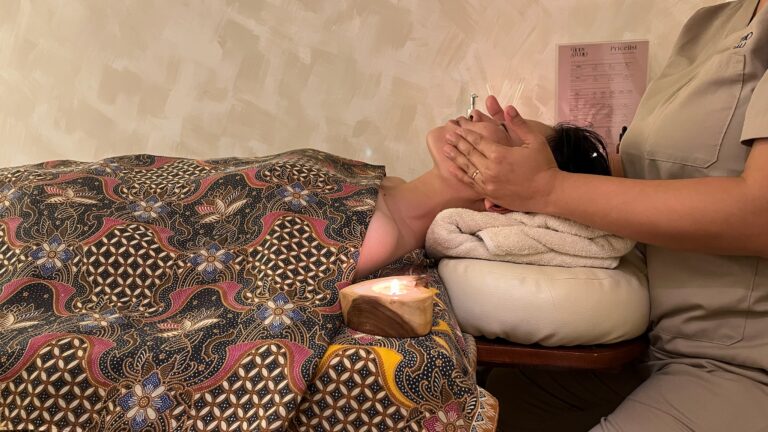
These treatments, alongside options like LPG Face, are frequently booked by couples or pairs of friends who choose to undergo their sessions simultaneously. By framing skin health as a logical extension of physical maintenance—no different from addressing muscular recovery after surfing—the barrier to consistent care is lowered. Consistent, repeated sessions allow for the gradual accumulation of benefits, as the skin undergoes its natural turnover and repair cycles, rather than seeking an immediate or miraculous transformation from a single visit.
What a facial costs in Uluwatu and the Bukit
Navigating the local market for treatments requires a clear understanding of how clinics structure their menus. In popular hubs like Seminyak, Canggu, or Ubud, pricing visibility can be inconsistent, with many establishments opting for an opaque approach where exact figures are only provided during a private consultation. For those seeking facials in Uluwatu and across the Bukit, this lack of transparency often creates unnecessary friction. Generally, simple, entry-level cleansing sessions begin in the low hundreds of thousands of IDR, while advanced multi-step protocols or machine-assisted procedures frequently exceed one million IDR per visit.
When considering professional skin care, it is essential to distinguish between superficial maintenance and bio-stimulatory courses. While manual techniques like face massage focus on circulation and lymphatic drainage, device-based interventions—such as radiofrequency or mechanical stimulation—rely on cumulative biological effects. For example, modern energy-based technologies utilize precise thermal coagulation points to stimulate neocollagenesis at depth, as documented in clinical studies on ultrasound mechanisms. Because such treatments aim to trigger structural remodeling, they are inherently structured as courses rather than single-off events. Body Studio Bali adopts this evidence-based approach, prioritizing the long-term biological response by offering 1, 5, and 10-session packages. For the client, the per-session cost within a 10-session course provides the most accurate reflection of the investment required for consistent, cumulative results.
Body Studio Bali maintains a policy of published, accessible pricing for all services, including their signature cleansings, manual massages, and advanced mechanical sessions. The studio does not provide chemical peels, microdermabrasion, or LED light therapy, as these represent different modalities often found in medical-aesthetic clinics elsewhere. By focusing on the structural health of the skin, the studio ensures that clients can plan their aesthetic maintenance with predictable costs. It is important to remember that all external treatments, regardless of the technology, are most effective when paired with consistent protection, as chronic ultraviolet exposure remains the primary factor in collagen degradation, especially for those spending significant time in the sun and surf of the Bukit.
- LPG 페이스: 799,000 IDR (1 session) / 2,699,000 IDR (5 sessions) / 4,200,000 IDR (10 sessions)
- EndosTherapy 페이스: 499,000 IDR (1 session) / 2,069,100 IDR (5 sessions) / 4,049,100 IDR (10 sessions)
- 바큠 RF 페이스: 399,000 IDR (1 session) / 1,259,100 IDR (5 sessions) / 1,799,100 IDR (10 sessions)
- Cryolipolysis Jawline Area: 809,000 IDR (1 session) / 2,672,000 IDR (5 sessions) / 6,317,000 IDR (10 sessions)
- 페이스 마사지 (핸드): 149,999 IDR (1 session) / 670,500 IDR (5 sessions) / 1,341,000 IDR (10 sessions)
- LPG Body + LPG Face combo (120 min): 1,199,000 IDR (single package price)
- COMBO 10 Ultimate Face Package: 4,000,000 IDR (flat, 10 sessions)
- Deep Cleansing / Signature Facial: bookable, price on request via the pricelist page
Body Studio Bali is located at Uluwatu St No.184, Ungasan, South Kuta, Badung Regency, Kuta Selatan 80361. The studio is open Monday through Friday from 8AM to 7PM, and on Saturday and Sunday from 10AM to 5PM. For inquiries, contact the studio via phone or WhatsApp at +62 822-2160-0336 or by email at [email protected].
Choosing by concern rather than by menu
For a one-off event glow, the Signature Facial provides mechanical cleansing and hydration suitable for most skin types, ensuring the surface is balanced and refined without aggressive intervention. When dealing with congestion from the humid climate, heavy sweat, or persistent sunscreen, the studio’s Deep Cleansing facial focuses on the removal of debris. Following AAD guidance on gentle cleansing is essential here; active inflammation or cystic acne, however, is a clinical condition and should be addressed by a dermatologist rather than a studio treatment.
For early loss of firmness and fine lines, micro-focused ultrasound at the Ungasan location targets the fibromuscular layer known as the SMAS. By creating thermal coagulation points that reach the deep dermis, this process triggers neocollagenesis and collagen remodeling while leaving the epidermal barrier undisturbed. These mechanical effects—which are FDA-cleared for lifting lax submental and neck tissue—are distinct from superficial treatments and yield measurable tightening as collagen networks reorganize over several months. Similarly, Vacuum RF Face or EndosTherapy Face can be utilised to address textural laxity, while Cryolipolysis Jawline is specifically indicated for non-invasive fat reduction in the submental area.
For persistent puffiness or a heavy, tired face, Face Modeling Massage—incorporating gua sha and cupping—promotes lymphatic drainage to reduce fluid retention. If skin has suffered from prolonged sun exposure, the focus must shift to structural protection. UVA radiation drives reactive oxygen species that activate enzymes like MMP-1, which actively cleave collagen. While chemical exfoliation like AHAs can improve texture by reducing corneocyte cohesion, these treatments increase UVB sensitivity, making them risky in equatorial sun; consequently, Body Studio Bali does not offer chemical peels. Should a client present with changing pigmented lesions or suspicious growths, the studio cannot assist, as these require immediate medical evaluation.
In the Bukit climate, skin physiology is constantly challenged by UV intensity and humidity. Achieving visible improvement requires accepting that consistency—regular, gentle maintenance that respects the skin barrier—outperforms intense, singular interventions. Results from collagen-remodeling treatments like micro-focused ultrasound often show progressive improvement over 90 days and beyond, reflecting the time required for biological tissue response rather than immediate surface-level alteration.
Questions people actually ask about facials in Bali
Where can I get a facial in Uluwatu?
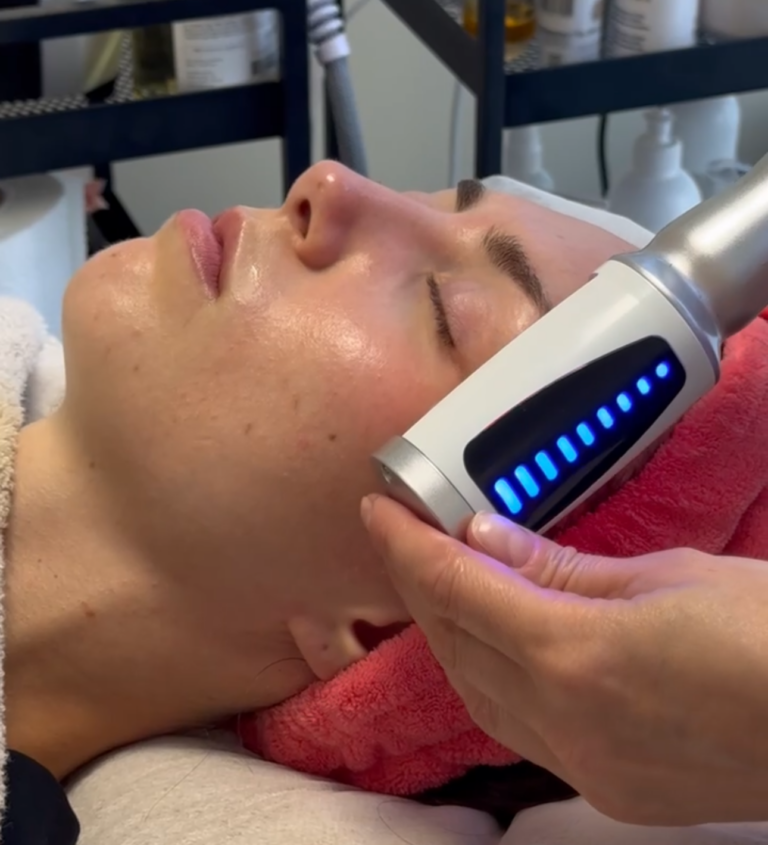
Body Studio Bali is located in Ungasan, on the Bukit peninsula, serving residents and visitors across the area including Uluwatu, Bingin, and Jimbaran. The studio offers a specialized menu of facial treatments, including manual techniques like Face Modeling Massage and advanced technology-based services such as EndosTherapy Face and Vacuum RF. Clients can find the studio at Uluwatu St No.184, where treatments are performed in a professional setting.
Is there a HydraFacial in Uluwatu?
Body Studio Bali does not offer HydraFacial treatments. The studio focuses on alternative modalities, including Deep Cleansing Signature Facials, manual Face Modeling Massage with cupping and guasha, and technology-driven options like LPG Face and EndosTherapy Face. If a specific HydraFacial device is required, that is a distinct treatment offered by other clinics elsewhere on the island.
What is the best facial for surfers and people in the water every day?
Daily exposure to salt water and solar radiation impacts skin integrity. Chronic ultraviolet exposure degrades dermal collagen by inducing matrix metalloproteinases that break existing fibres, as noted in research on photoaging. For those in the water, Body Studio Bali recommends its Signature Deep Cleansing Facial to remove debris and perspiration, combined with consistent daily broad-spectrum sun protection to preserve skin health.
How much does a facial cost in Uluwatu and the Bukit?
Pricing for individual treatments at Body Studio Bali is outlined in the comprehensive price table located elsewhere on this page. The studio provides a variety of options ranging from manual massage techniques to device-based therapies. Clients are encouraged to review the full service menu to determine which treatment best aligns with their specific aesthetic goals and budget requirements before booking an appointment.
Do I need a course, or is one session enough?
While a single session can provide immediate surface benefits, achieving measurable improvements—such as skin tightening or refined facial contours—often requires a series of treatments. For instance, studies on microfocused ultrasound show cumulative benefits over time. The studio recommends a consistent course of sessions to allow the skin to respond and to build lasting results, rather than relying on one-off treatments.
Can men book a facial in Uluwatu?
Yes, all facial treatments at Body Studio Bali are available to both men and women. The studio caters to the active community on the Bukit, providing services that address common concerns such as congestion from heat and sweat, as well as skin maintenance for those exposed to harsh environmental conditions. Men are welcome to book any service from the menu, including deep cleansing or massage-based protocols.
Should I have a facial before or after a day in the sun?
It is generally advisable to schedule intensive facial treatments after a day in the sun rather than before. Heavy exfoliation can increase photosensitivity, potentially leading to irritation when exposed to intense equatorial UV radiation. A post-sun session focusing on hydration and soothing the skin is more sensible. Always ensure the skin is properly protected with sunscreen to mitigate the damage caused by chronic ultraviolet exposure.
What are the opening hours and how do I book?
Body Studio Bali is open Monday through Friday from 8AM to 7PM, and Saturday to Sunday from 10AM to 5PM. To schedule a session, clients can contact the studio directly via WhatsApp or phone at +62 822-2160-0336. Alternatively, inquiries regarding availability and service details can be sent via email to [email protected]. The studio is located at Uluwatu St No.184, Ungasan.
Which facial helps with congestion from heat and sweat?
The Deep Cleansing / Signature Facial is designed specifically to address the buildup of impurities, salt, and sweat common in the Bukit’s climate. This treatment focuses on clearing congested pores and balancing the skin. For persistent inflammatory acne or skin concerns that appear to be medically driven, the studio advises clients to seek a consultation with a dermatologist rather than pursuing cosmetic treatments.
Which facial helps with jawline definition?
For jawline definition, Body Studio Bali offers specialized treatments including Vacuum RF Face and Cryolipolysis Jawline. These modalities are designed to target localized tissue. While some technologies, such as microfocused ultrasound, are documented to address the SMAS layer for skin laxity, patients must understand that results depend on individual anatomy and the degree of existing laxity, as noted in clinical management recommendations.