

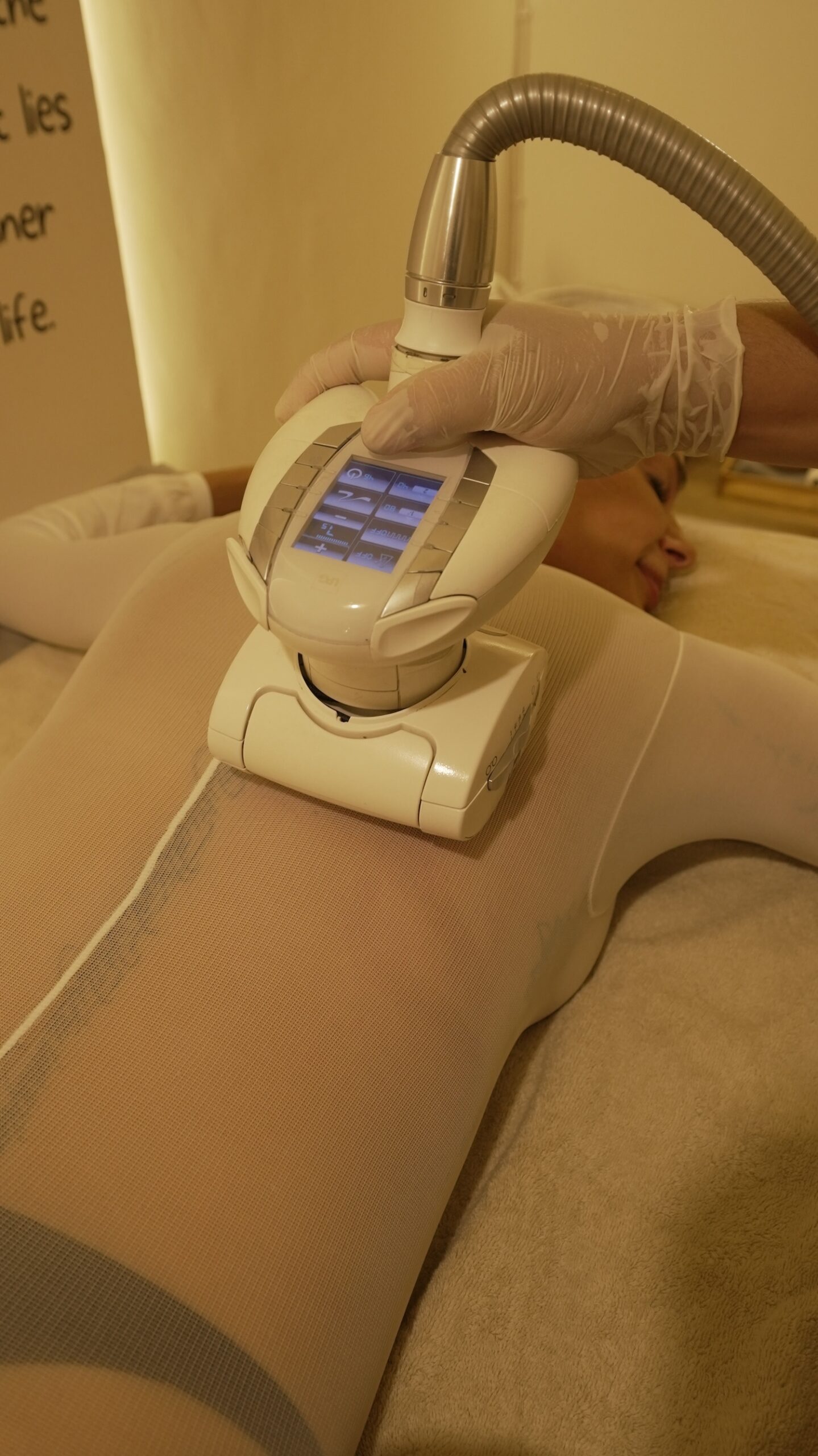
In the quiet, clinical rooms of 1930s Paris, Emil and Estrid Vodder established the foundation of manual lymphatic drainage, a rhythmic, light-touch technique designed to guide interstitial fluid toward functional lymph nodes. Nearly half a century later, Louis-Paul Guitay experienced a serious accident and, during his subsequent physiotherapy for scar tissue, found the manual sessions inconsistent. Seeking a method to standardize the pressure and rhythm of those physical movements, he engineered the first LPG machine, launching a new era of mechanical soft-tissue manipulation in 1986. Today, the debate over manual lymphatic drainage vs LPG often pits the sensitivity of human intuition against the repeatable precision of mechanical force.
The core physical difference between these modalities lies in their interaction with the skin and underlying structures. A trained therapist possesses the ability to “read” tissue; they can detect subtle shifts in skin tension or temperature and adjust their hand pressure in real time, which is why many clients report a deeply intuitive, calming experience. In contrast, LPG Endermologie relies on motorized rollers combined with suction to deliver a precise, standardized dose of stimulation. Because the machine does not tire, it provides an identical intensity throughout a 55-minute session, which is particularly useful for consistent tissue mobilization. This mechanical deformation of the tissue is not merely a surface effect; research suggests that the stretch of the lymphatic vessel wall triggers calcium-mediated contractions, while the resulting shear stress helps release nitric oxide, which relaxes the vessels and encourages more efficient lymph flow.
Evaluating the evidence in practice
The comparative effectiveness of these two approaches has been examined in clinical settings, though often with different devices. One notable prospective crossover trial involved 40 patients with lymphoedema who received both manual drainage and mechanical compression on the same limb. The study found that objective, 3D-scanned volume reduction was statistically indistinguishable—1.47% for manual versus 1.53% for the device—with a p-value of 0.780. Despite the near-identical physiological outcome, 68% of the patients still preferred the hands-on approach, citing a significantly higher level of comfort. This highlights a crucial distinction: while the mechanical action of a device can achieve measurable drainage, the subjective preference for a human touch remains a significant factor in patient satisfaction.

When moving from clinical lymphoedema management to aesthetic body contouring, the narrative shifts slightly. Peer-reviewed literature indicates that mechanical vacuum-roller massage acts by stimulating lymphatic drainage and addressing impaired microcirculation, and it may assist in the redistribution of adipocytes. However, clinicians caution that while these treatments are popular, the physiological mechanisms remain complex and sometimes debated. For instance, post-liposuction studies report that while drainage techniques can reduce oedema and fibrosis, the exact pathway remains unclear, and some trials have observed volume reduction without measurable changes in lymph transport. Furthermore, while techniques like 캐비테이션 are supported by biochemical evidence—showing spikes in free fatty acids in the blood shortly after treatment—the durability of the resulting aesthetic changes is rarely reported, meaning these treatments are best viewed as supportive maintenance rather than permanent structural fixes.
Choosing between the two often depends on the goal and the timeline. If you are dealing with significant post-flight puffiness or require gentle support after a surgical procedure, the nuanced, low-pressure approach of manual lymphatic drainage remains the standard. Conversely, if your objective is to address cellulite appearance, improve skin firmness, or support body contouring, the structured, repetitive nature of LPG Endermologie is often the preferred route. A typical course for the latter usually involves a series of 5 to 12 sessions, ideally spaced two to three times per week to maintain the momentum of the mechanical stimulation.
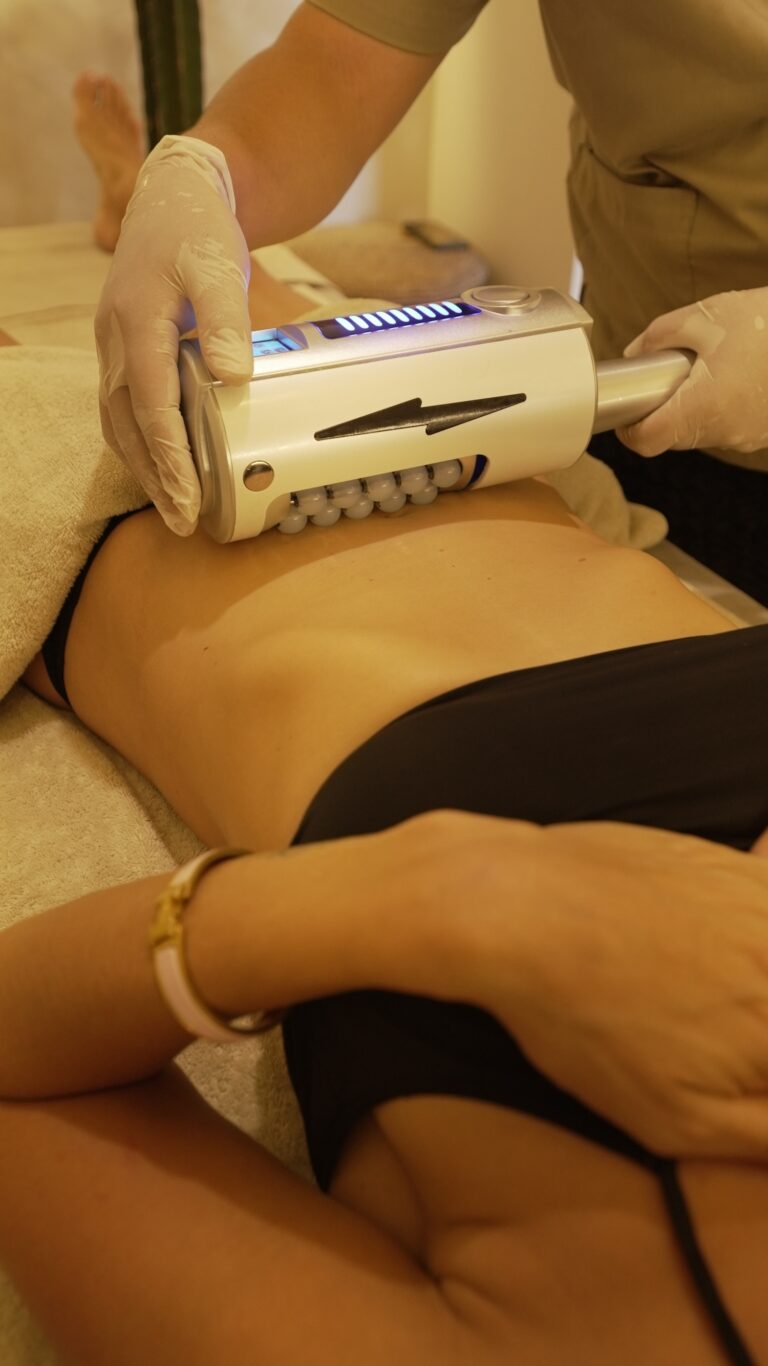
The experience of a 55-minute session at a studio like Body Studio Bali—which utilizes motorized rollers and suction to perform the process—is designed to be a balance of these goals. The protocol follows a systematic approach: first, mechanical stimulation to activate the tissue response; second, a focus on drainage support for fluid movement; and finally, a sculpting and firming phase to encourage smoother-looking skin. Because this method delivers a consistent stimulus, it is particularly effective for those seeking a “reset” for heavy legs or a boost in circulation after a stressful period. Whether one opts for the human touch of a traditional massage or the precise, technological consistency of a roller-based machine, the focus remains on supporting the body’s natural ability to circulate fluid and maintain tissue health in a challenging, humid tropical climate.