

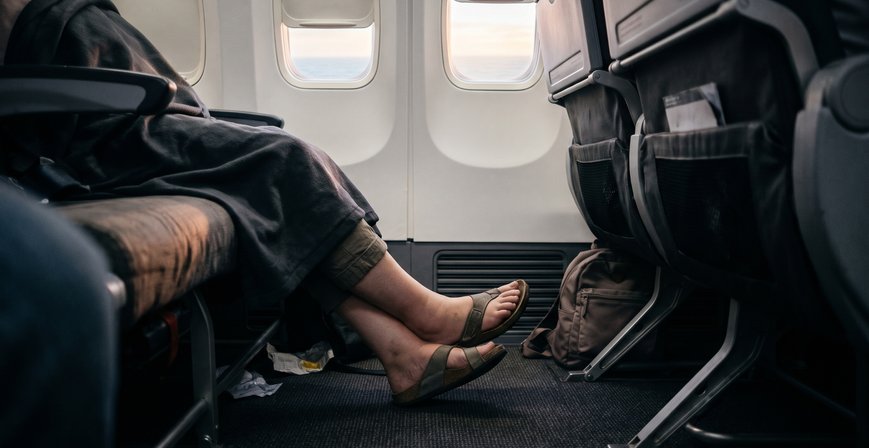
You land at Ngurah Rai International Airport, finally step off the plane, and reach down to zip up your sandals. Suddenly, it feels like your ankles have expanded overnight. This phenomenon, which many travelers experience during a long haul flight swelling, is a common grievance for anyone arriving in Bali. The pressurized cabin, combined with hours of static sitting, interferes with the body’s natural ability to circulate fluid back toward the heart, leading to that characteristic pooling around the lower extremities.
The Physics of Fluid Stasis
To understand why your ankles balloon, we have to look at the lymphatic system. Unlike the circulatory system, which uses the heart as a pump, the lymphatic system relies on skeletal muscle contractions and internal pressure changes to move lymph—a fluid containing waste products and proteins—through a network of vessels. When you are strapped into an airplane seat for 14 hours, those muscle contractions are minimal. Gravity pulls fluid downward, and because there is no active pumping mechanism to return it to the thoracic duct, it accumulates in the loose connective tissue of the ankles and feet.
This is where the concept of lymphatic drainage enters the conversation. While the physiological mechanism for how external pressure moves this fluid remains a subject of debate among surgeons, there is a well-characterized basis for how mechanical deformation impacts vessel behavior. Research indicates that the mechanical stretch of lymphatic vessel walls can trigger calcium-mediated contractions, while shear stress from fluid movement releases nitric oxide, which helps relax the vessel and facilitate flow, as shown in studies on mechanobiological oscillators.
Manual Technique Versus Mechanical Systems
When you seek out lymphatic drainage in Bali, you are generally choosing between two approaches: the hands-on tradition or mechanical devices. Manual lymphatic drainage (MLD), a technique established by the Vodder family in the 1930s, utilizes rhythmic, light-pressure strokes to influence the superficial lymphatic pathways, serving as the clinical standard against which other methods are measured according to Physiopedia.
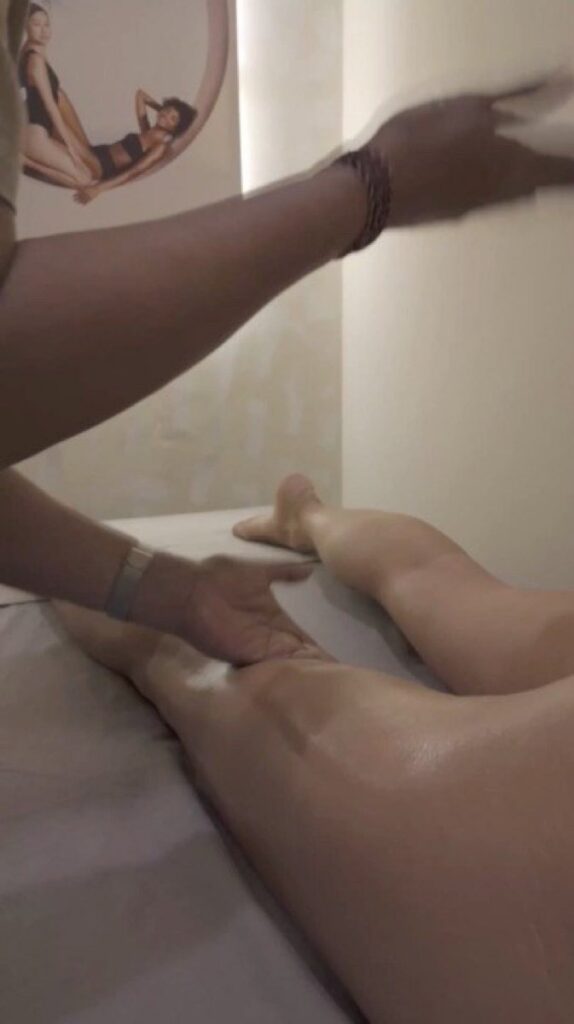
Mechanical systems, such as those used in LPG Endermologie, operate on a different premise. Originally developed in 1986 by Louis-Paul Guitay to treat scar and burn tissue through controlled mechanical vacuum-roller massage, these devices aim to stimulate circulation and manipulate connective tissue, as documented in LPG manufacturer records. In the context of body aesthetics, this mechanical stimulation is described as a means to address impaired microcirculation and redistribute adipocytes, though the literature is clear that reports of cellulite improvement remain largely observational and long-term durability data is limited, as noted in the Aesthetic Surgery Journal Open Forum.
If you are deciding between the two, a prospective crossover trial involving 40 patients found that 3D-scanned volume reduction was statistically indistinguishable between manual therapy and mechanical compression devices. However, the study highlighted that 68% of participants significantly preferred the tactile experience of a therapist, suggesting that the choice often comes down to personal comfort rather than a stark difference in fluid volume reduction, as published in the Journal of Clinical Medicine.
Realistic Expectations for Post-Flight Recovery
It is important to manage expectations regarding what these treatments can achieve. While lymphatic massage benefits include a temporary reduction in edema and a subjective sense of lightness, these effects are not permanent transformations. If you are using these sessions to support recovery after a non-invasive body contouring procedure, plastic surgeons acknowledge that while these treatments can help reduce post-operative fibrosis and edema, the specific physiological pathway for how they function remains scientifically contested, as detailed in the Aesthetic Surgery Journal.

At Body Studio Bali, the focus remains on integrating these treatments into a broader approach to tropical wellness. Because non-invasive キャビテーション treatments release fatty acids into the bloodstream—which can be measured as a significant rise in free fatty acids shortly after a session—combining that process with a drainage sequence is designed to assist the body’s natural processing mechanisms, a process supported by findings in Plastic and Aesthetic Research. However, whether you are addressing post-flight swelling or aesthetic goals, the results are cumulative and transient. You are essentially assisting a system that is temporarily overwhelmed by the stresses of travel and heat, rather than fundamentally altering your body’s physiology.
The humidity and heat of Bali can often exacerbate fluid retention, making the period immediately following a long-haul flight the most uncomfortable. Staying hydrated and maintaining movement remains the most effective long-term strategy for managing lymphatic health, with professional drainage sessions acting as a targeted support system when the body’s own pump needs a little extra encouragement.