

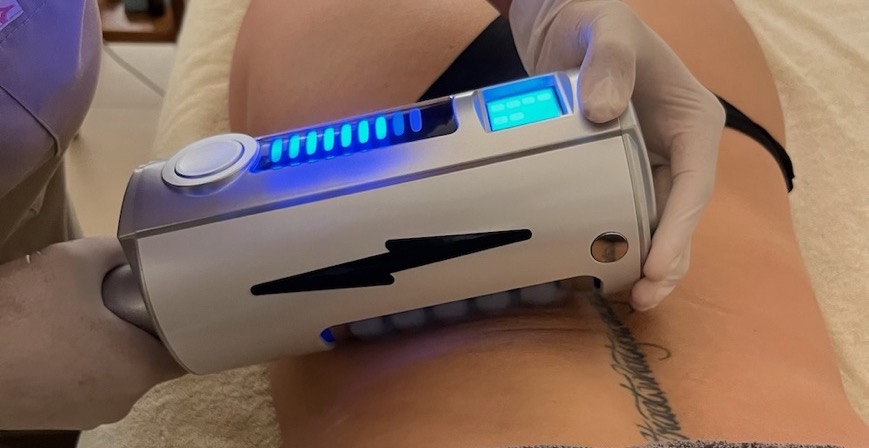
Stepping into a spa in Bali often feels like walking into a labyrinth of conflicting claims. Between the traditional Balinese healing rituals—which focus on energetic flow and manual tissue manipulation—and the influx of high-tech aesthetic equipment, it is easy to feel overwhelmed. When you are learning how to choose a spa in Bali, the first hurdle is distinguishing between a service intended for nervous system regulation and one designed for structural tissue change. A relaxation massage, no matter how skilled the practitioner, works primarily on the superficial layers of the skin and muscles to lower cortisol and improve circulation. Conversely, body contouring technologies, such as radio-frequency or mechanised lymphatic drainage, aim to alter cellular activity. Understanding this distinction is the core of navigating any bali spa menu guide without getting lost in marketing fluff.
The Physics of Body Contouring: Distinguishing Mechanism from Miracle
Most confusion in the wellness industry stems from the conflation of temporary fluid shifts and permanent tissue remodeling. Take, for example, radio-frequency (RF) treatments. The mechanism here relies on the application of electromagnetic waves to heat the deep dermis. This controlled thermal injury triggers a wound-healing response, which in theory encourages the contraction of existing collagen fibers and the synthesis of new ones. It is a process governed by time and biological response, not an instantaneous transformation. When you read a menu, look for descriptions that explain this mechanism; if a treatment claims to “melt fat” or “erase cellulite” in a single session, treat it as a significant red flag. Biological tissue requires repeated stimuli to change, which is why clinical protocols for RF or キャビテーション almost always suggest a course of six to ten sessions rather than a one-off visit.
Similarly, mechanised lymphatic drainage—such as LPG Endermologie or Endospheres—utilizes either suction or rhythmic vibration to stimulate the interstitial space. By mechanically nudging the lymphatic system, these devices can reduce the appearance of edema, which is common in Bali’s humid climate. While this is effective for reducing the bloating caused by fluid retention, it does not permanently eliminate fat cells. Knowing the difference prevents the disappointment of expecting a structural change when you are actually receiving a transient reduction in volume due to fluid management.
Identifying Red Flags and High-Pressure Sales Tactics
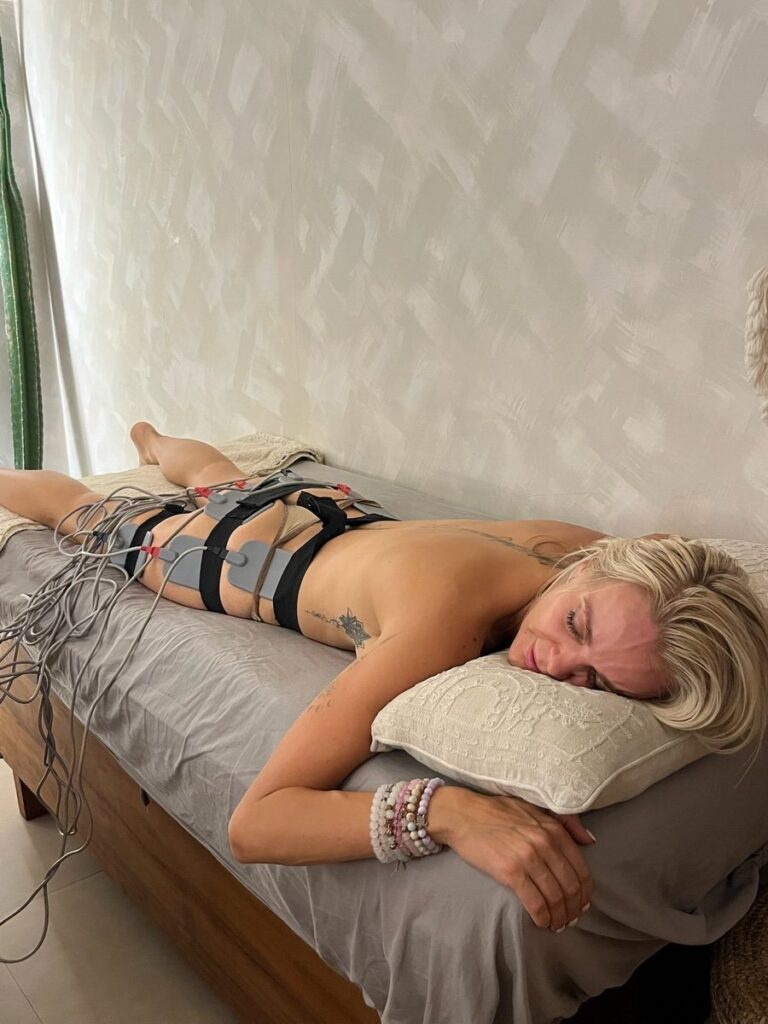
When searching for a reputable clinic, one of the most reliable spa red flags is the promise of guaranteed outcomes. In aesthetics, no physiological response can be guaranteed for every individual. If a technician uses aggressive language, insists that you must purchase an expensive product line to “activate” the treatment, or tries to upsell you on additional sessions before you have even completed a consultation, the focus is likely on volume sales rather than clinical efficacy. A professional practitioner should be able to explain the “why” behind their protocol—the specific frequency used, the expected physiological shift, and the necessary timeframe to see those changes. At Body Studio Bali, the focus remains on transparent communication regarding these limits, ensuring that the client understands that technology serves as a tool to support lifestyle habits rather than a replacement for them.
Three Questions to Ask Before Booking Your Next Treatment
Before you commit your time and money, clear communication is your best defense against ineffective services. If you are ever unsure about a booking treatments bali offer, ask these three questions. First, ask for the specific mechanism of action. If they cannot explain how the treatment affects the target tissue—whether it is heating collagen, breaking down superficial fat deposits, or stimulating lymphatic drainage—they may not be well-informed enough to perform it safely. Second, ask about the expected cadence of the sessions. If a facility suggests a frequency that ignores the body’s recovery periods, such as daily high-intensity radio-frequency, it indicates a lack of understanding regarding cellular regeneration timelines. Finally, ask what the treatment does not do. A transparent technician will be honest about the limitations of the technology and what results are realistic for your specific body composition and skin type.
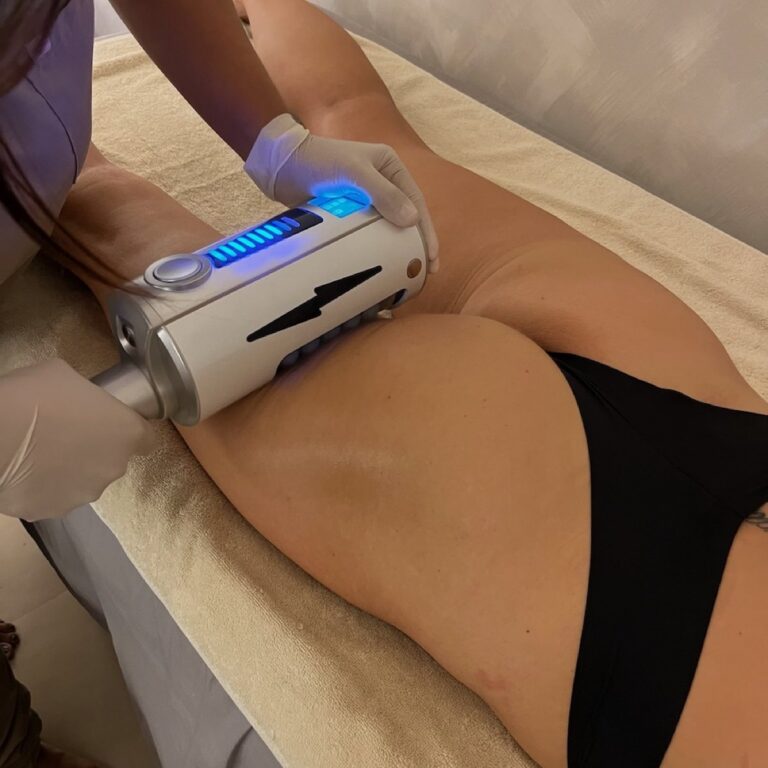
The sequence of a treatment is often as important as the technology itself. A well-designed session typically begins with lymphatic preparation, ensuring that any waste or fluid mobilized by subsequent steps can be efficiently processed by the body’s natural elimination pathways. This is why you will often see treatments structured to address circulation first, followed by deeper tissue work. By respecting the physiological order of operations, you ensure that the treatment is not only effective but also comfortable. Whether you are navigating the complexities of HIFU for facial tightening or simply looking for consistent lymphatic support during your stay, prioritizing these fundamental biological truths will help you bypass the marketing noise and find care that is both honest and grounded.