

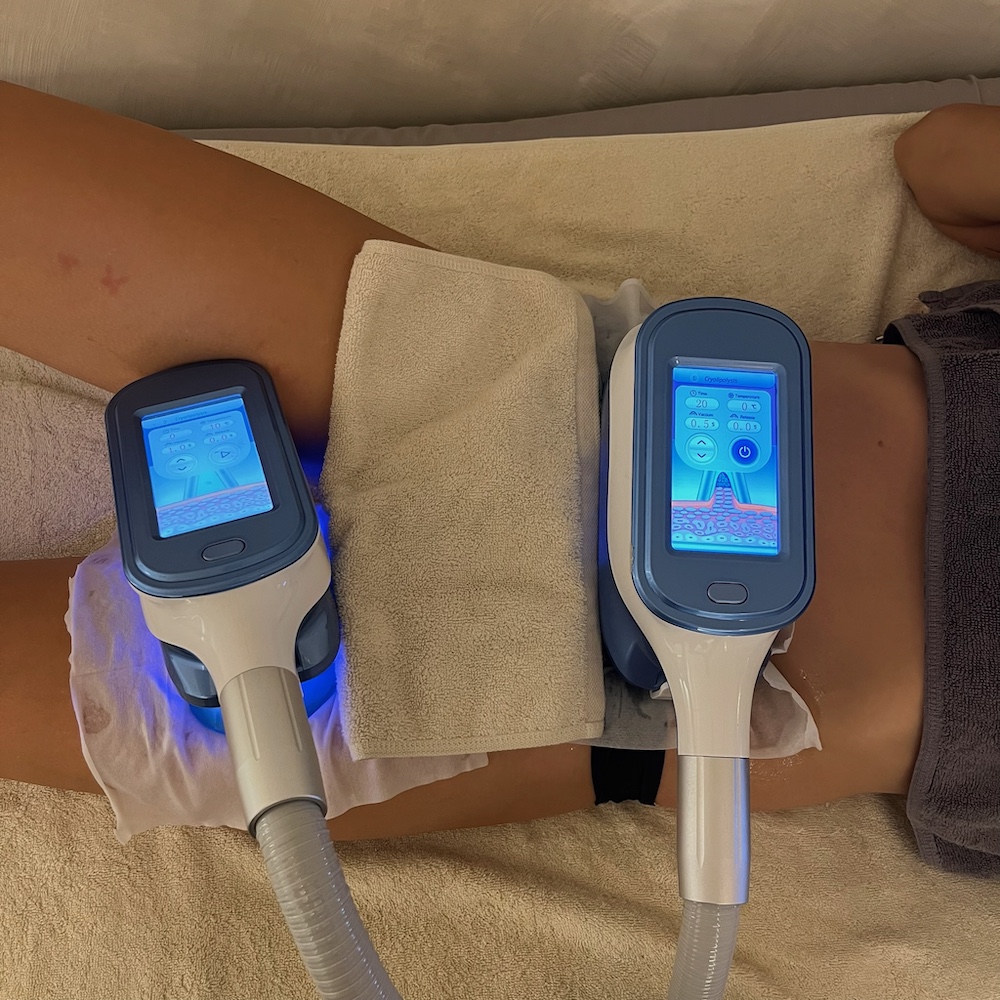
The sensation immediately following cryolipolysis is often described as feeling like a “butter stick”—a firm, cold, and slightly numb block of tissue that has just been released from the vacuum applicator. At Body Studio Bali, the treatment begins with an assessment of your subcutaneous fat; if the tissue is pinchable and responsive, the applicator is applied, drawing the area into 360° cooling cups. This controlled cooling induces apoptosis, or programmed cell death, in the adipocytes. Because fat cells are uniquely sensitive to cold compared to surrounding skin, nerve, and muscle tissue, this process occurs without causing systemic damage. The massage that follows your 55-minute session is a standard part of the protocol, intended to help smooth the treated area and restore blood flow as the tissue warms, though it does not play a role in “flushing” fat out of the system. According to research published in Lasers in Surgery and Medicine, the fat cells are cleared gradually through the body’s natural metabolic pathways over months, not by an immediate lymphatic drain.
The Physiology of the First Twelve Weeks
The journey from the clinic chair to a visible change is a process of biological attrition. For the first few days, it is common to experience redness, localized numbness, and tenderness. While downtime is minimal, some individuals report delayed onset pain or swelling during the first three weeks as the body’s inflammatory response to the targeted cell death reaches its peak. It is important to distinguish between expected recovery and concerning side effects. While discomfort is typical, any persistent or unusual enlargement of the treated area—a rare condition known as paradoxical adipose hyperplasia—should be monitored. Peer-reviewed evaluations have identified this rare adverse effect as a painless, firm enlargement occurring weeks or months post-treatment, often requiring surgical intervention, though its incidence remains statistically low at less than 0.5% in many clinical cohorts.
During these weeks, many patients look for ways to accelerate their results, but there is no clinical evidence that additional massage, specific diets, or supplements speed up the clearance of dead adipocytes. The body works at its own pace. The clinical literature notes that while a 20% to 25% reduction in fat layer thickness is a standard expectation, this change is not reflected on the weighing scale. Cryolipolysis is a contouring procedure, not a weight-loss tool. As Harvard Health Publishing clarifies, the ideal candidate is already near their goal weight, as the treatment does not address visceral fat or tighten loose skin.
Tropical Practicalities for Recovery
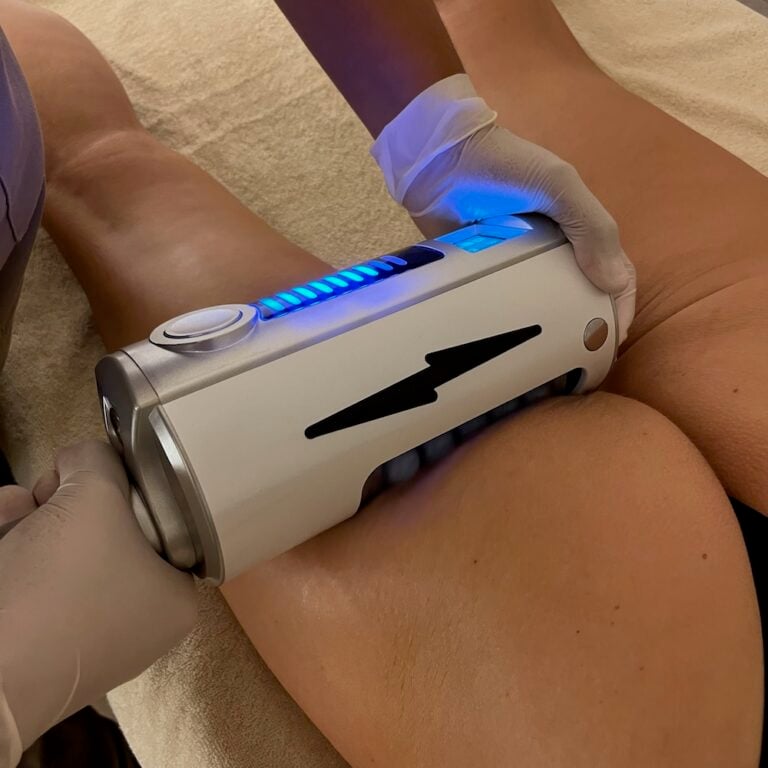
Living or traveling in Bali introduces specific variables to your fat freezing aftercare. The tropical heat and humidity do not impact the fat-clearing process, but they do require mindfulness regarding your skin. Treated areas may be more sensitive to prolonged sun exposure, so it is advisable to keep the skin protected while the initial redness subsides. Swimming and surfing are perfectly safe immediately following the procedure; there are no stitches or open wounds to worry about, as the skin remains intact throughout the non-invasive process. Hydration is essential in this climate, both for overall metabolic health and for managing the minor inflammation that accompanies the healing of the treated tissue.
Regarding travel, there is no restriction on flying or movement after a session. However, when planning your stay in Bali, remember that the most honest assessment of your results is made at the twelve-week mark. Because the changes in volume are subtle and gradual, they are often difficult to track in the mirror on a daily basis. Taking consistent photographs in the same lighting at the twelve-week milestone is the most reliable way to compare your contour, rather than relying on daily subjective observation. This timeline is supported by the founding porcine studies, which demonstrated that the loss of adipocytes is a long-term, delayed process that continues for several months after the initial cooling event.
Managing Expectations and Results
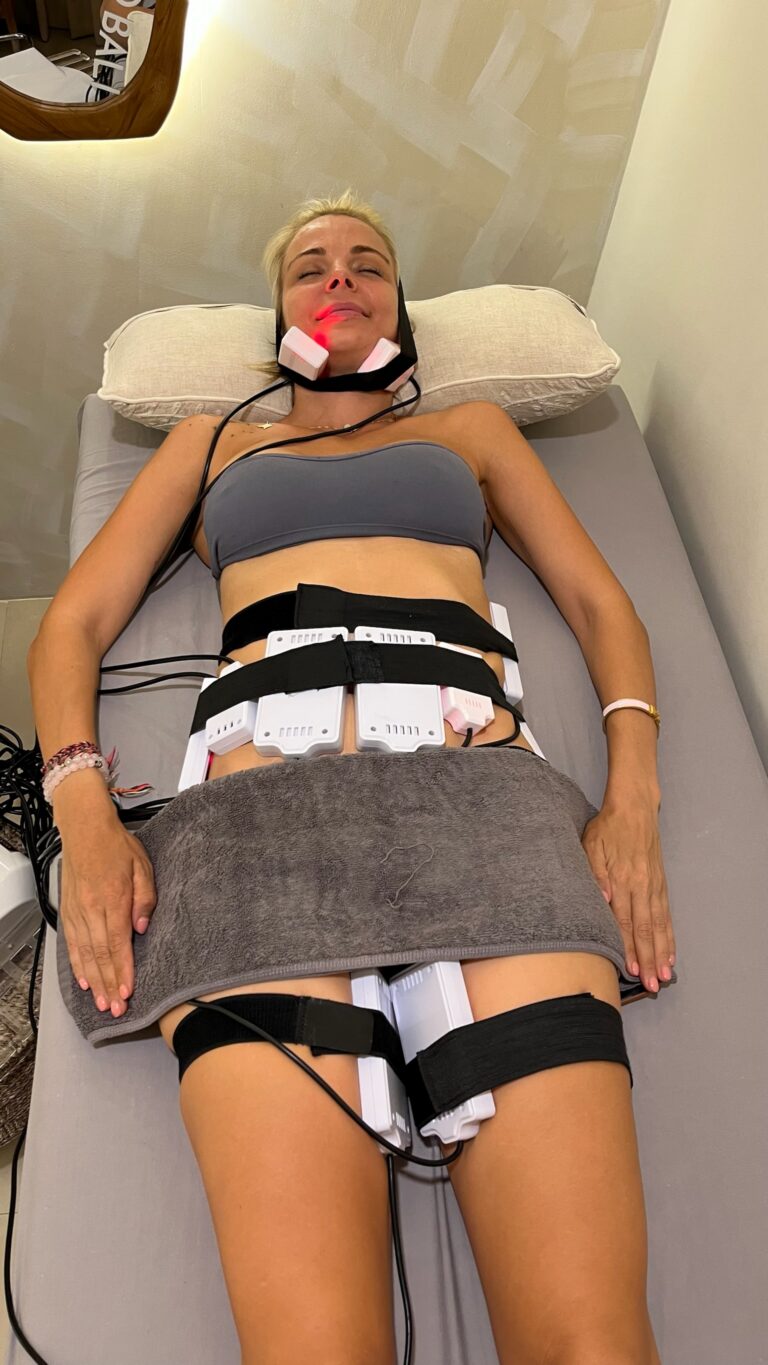
When considering cryolipolysis aftercare, the most critical element is patience. The meta-analysis of clinical studies emphasizes that while fat thickness and circumference decrease, overall body weight remains stable. If you are planning to undergo multiple sessions while visiting the island, remember that the body needs time to process the initial treatments. We do not provide or suggest “quick fixes” because the physiology of apoptosis simply cannot be rushed. Whether you are treating one area or multiple zones, the mechanism remains the same: a deliberate, controlled, and slow reduction of subcutaneous fat pockets.
For visitors and residents alike, the best approach is to view this treatment as an adjunct to an existing active lifestyle. If you are concerned about specific symptoms, such as persistent, hard, or well-defined enlargements, consult the clinic for a professional assessment, as the literature highlights that Paradoxical Adipose Hyperplasia, though uncommon, requires clinical attention rather than time. Ultimately, the success of the treatment lies in the match between the client’s expectations—a change in shape, not a shift on the scale—and the honest, measurable reduction of subcutaneous tissue over the full twelve-week cycle.