

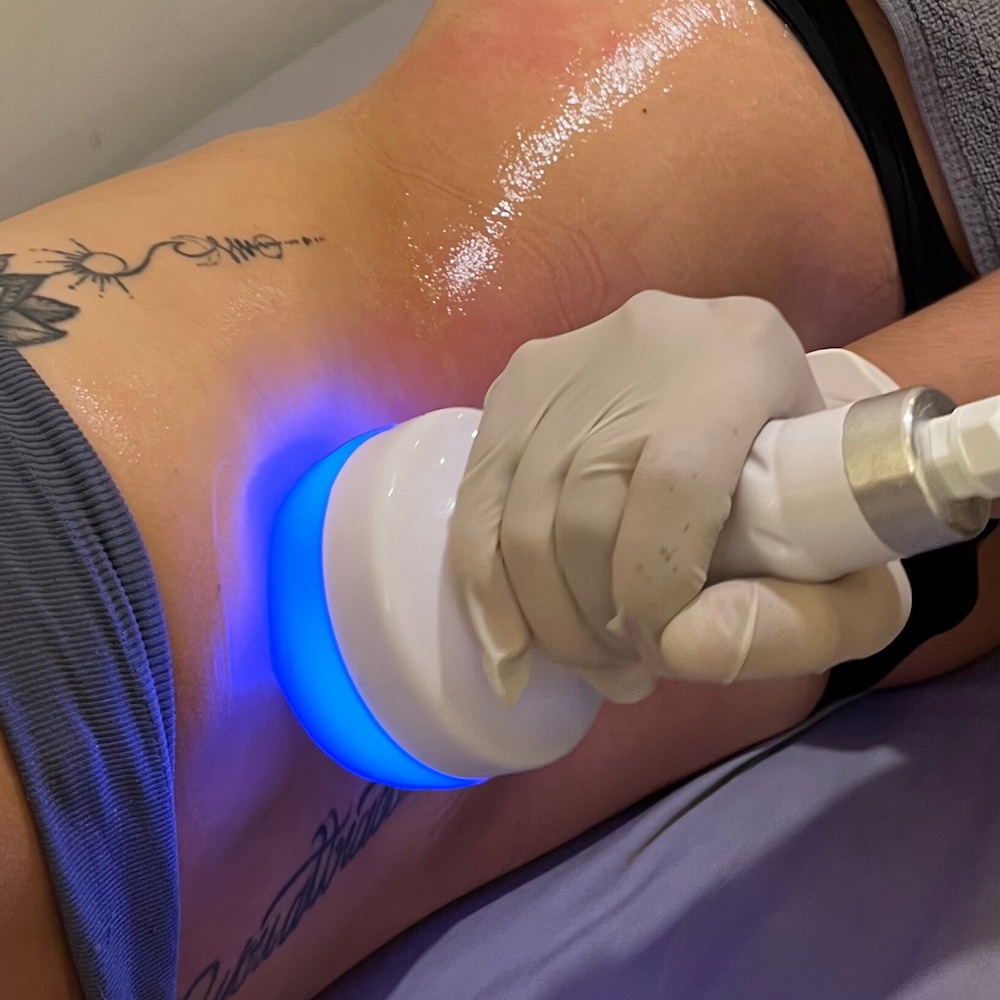
In the world of non-invasive aesthetics, it is easy to get caught up in the promise of instant transformation. Living in Bali, where the humidity can leave us feeling sluggish and our wellness routines are often at the forefront of our minds, the pressure to “fix” body concerns quickly is constant. When it comes to targeted fat reduction, two technologies frequently dominate the conversation: cryolipolysis and ultrasound キャビテーション. While both are non-invasive and require no surgery, they operate on entirely different physical principles, and understanding that distinction is the difference between a successful treatment and wasted time.
Cryolipolysis vs cavitation: Choosing by area, not by hype
The Physics of Fat Reduction: Cold vs. Sound
Cryolipolysis, often popularized by brand names like CoolSculpting, relies on the principle of selective cryolysis. As established in the founding research, fat cells are uniquely sensitive to cold compared to surrounding skin, nerve, and muscle tissue. By applying controlled cooling to a localized area, the treatment triggers apoptosis—a process of programmed cell death. Once these adipocytes are damaged, the body’s natural metabolic and lymphatic pathways work to clear them away over time. This is not an immediate event; the literature reports that the reduction of the fat layer is a gradual process, typically showing a 20–25% decrease in thickness at 8–12 weeks post-treatment. It is a one-and-done approach for a specific area, focused on contouring rather than weight loss.
Ultrasound cavitation, by contrast, uses low-frequency sound waves to create microscopic bubbles within the interstitial fluid of the fat tissue. This process, known as cavitation, causes these bubbles to collapse, placing mechanical stress on the adipocyte membranes and disrupting them. Unlike cryolipolysis, which requires a significant waiting period to see results, cavitation is often structured as a course of sessions, allowing for a more gradual, cumulative effect across broader areas. While cryolipolysis targets a precise, pinchable pocket, cavitation is often preferred for larger, softer surfaces where a degree of firmness is desired alongside fat volume reduction.
Choosing by Anatomy, Not Hype
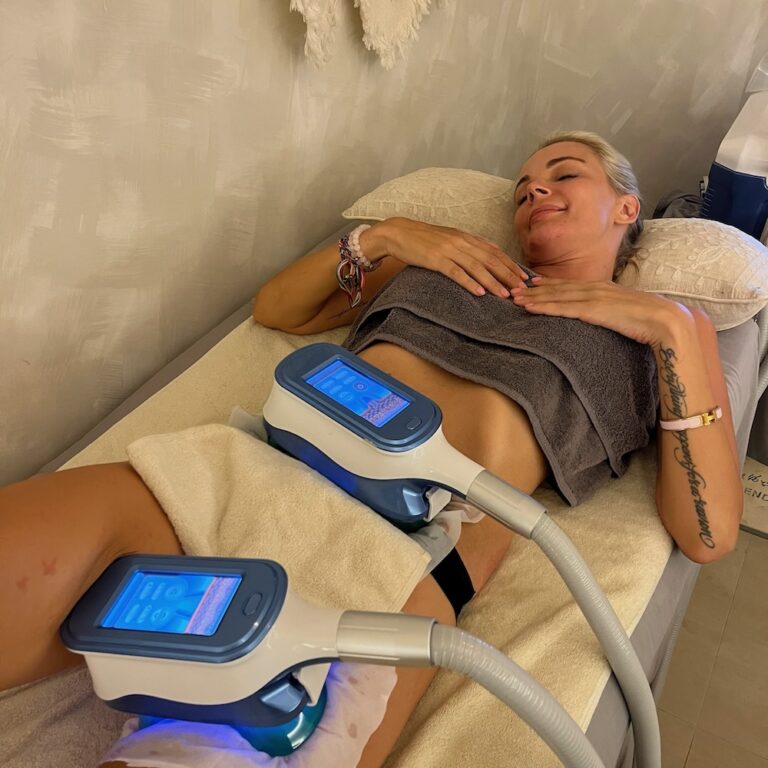
Deciding between cryolipolysis vs cavitation requires an honest assessment of your anatomy. If you have a stubborn, “pinchable” pocket of fat—the kind that persists even when you are close to your ideal weight—a cryolipolysis applicator is likely the better tool. Because the vacuum applicator needs to draw tissue into a cup, it cannot treat diffuse, hard-to-reach fat. Conversely, if you are looking to address a wider area of softer tissue, a course of cavitation might provide the desired contouring effect without the localized “freezing” sensation.
It is crucial to recognize that neither treatment is a weight-loss solution. As highlighted by Harvard Medical School, these devices do not reduce visceral fat—the fat stored around organs—and therefore offer no health benefit beyond localized contouring. Furthermore, patients must be aware of rare risks. In the case of cryolipolysis, the most notable is paradoxical adipose hyperplasia (PAH), a condition where the treated area increases in fat volume rather than decreasing. While the largest meta-analyses suggest the incidence of PAH is relatively low (roughly 0.15% of cycles), it remains a serious potential adverse event that any candidate should discuss before proceeding.
What a Real Consultation Looks Like
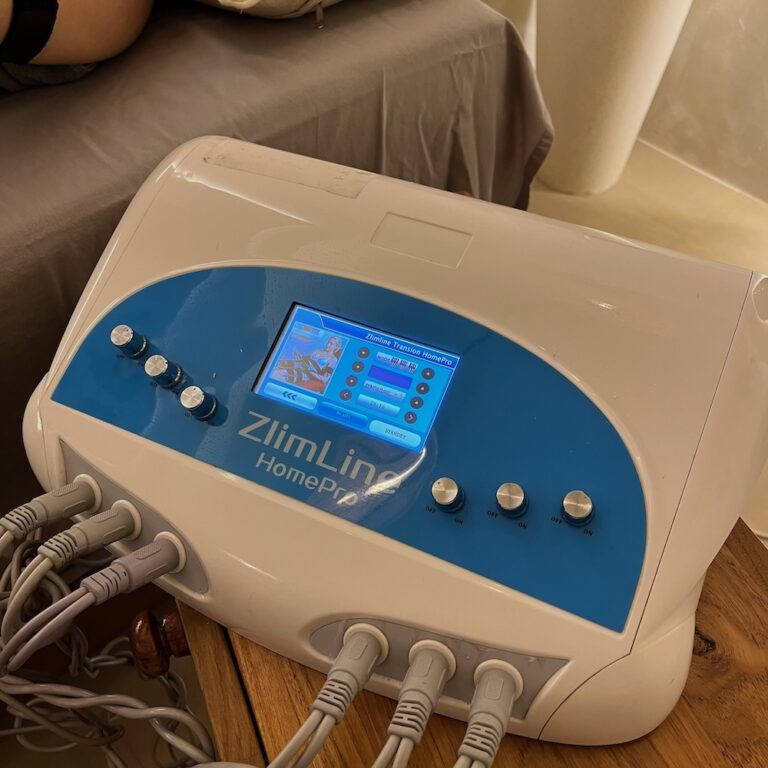
When you visit a clinic for an assessment, the professional should be performing a physical check that goes beyond mere observation. They need to test for “pinchability,” as cryolipolysis is physically impossible to perform on areas where the fat layer is too thin or too dense to be drawn into the applicator. They should also screen for any contraindications, such as those related to heat-sensitive neurological conditions like multiple sclerosis, where managing core temperature is critical, as documented in standard clinical texts regarding the Uhthoff phenomenon.
At Body Studio Bali, the process for cryolipolysis involves a precise sequence: a gel pad is applied to protect the skin, followed by a 360° cooling vacuum applicator that pulls the tissue in for a 55-minute session. Following the treatment, there is a short massage to ensure the area is massaged after the release, which helps manage the initial numbness and tenderness. Because the fat-clearing process is a slow, inflammatory response that peaks weeks after the procedure, there is no scientific basis to suggest that additional massage sessions will “flush” the fat out faster, despite what some marketing might claim. The evidence indicates that the body handles this metabolic clearance on its own timeline, usually over several months.
Ultimately, whether you are considering fat freezing or cavitation, the goal is to choose the technology that matches your specific tissue density and your aesthetic goals. Look for providers who are willing to turn away a client if the treatment is not the right fit; in the context of non-invasive body contouring, an honest assessment is the most important part of the protocol.